DIY Montessori Three Part Cards

In Montessori education, three part cards are used for all sorts of things. They can be used to teach a wide variety of information using a basic form that can be reproduced easily. Let me be clear here, three part cards are intended to be used with children who are reading. If your child isn’t yet reading there are things you can still do with certain parts of the cards, such as producing two matching sets of picture only cards for a memory or matching game. But for the most part, three part cards are meant to increase the vocabulary and scientific understanding in children who can already read.

That said, several months ago Julia showed interest in reading and began to sight read a few words. So of course, I started making three part cards. And I’m completely addicted. They are SO MUCH FUN to make, and provide hours of learning and entertainment for my daughter. And on top of all that, I’m actually learning some things I didn’t know before.

So now I’ll tell you what the three parts are, give you a couple of links for further exploration, and then I’ll show you how I made my own…

Three part cards are sets of cards containing:

1)     A control card with a picture AND a word

2)    A card with just a picture &

3)    A card with just a word

Cards are placed in a tray or box so that the control cards are upside down and used at the end of the activity to check your work. Cards with images are placed on a table or rug, and their corresponding word cards are matched up. Here’s a better description of how to give a Montessori three part cards lesson to your child: Scroll down to “How do we use it?”

http://www.montessoriprintshop.com/Use_Montessori_Nomenclature.html

Alright, so how do we make them? First, decide if making them yourself or purchasing them ready made is the best choice for you. Here are the things you’ll need to make your own:

1)     Cardstock

2)    A color printer (or photo stickers)

3)    A laminator and laminating sheets

4)   A paper cutter is helpful, but scissors also work

Assuming you have all these items, there are a couple of easy and fun ways to go about creating your three part cards. If you don’t want to use a bunch of ink and you want photo quality images, I’d recommend using photo stickers. I made these farm animal three part cards as Julia’s very first set. I initially introduced the control cards as simple flash cards and we played a matching game with the animals from her play farm:


Now she uses them as traditional three part cards and matches up the cards with their words, checking her work with the control cards.

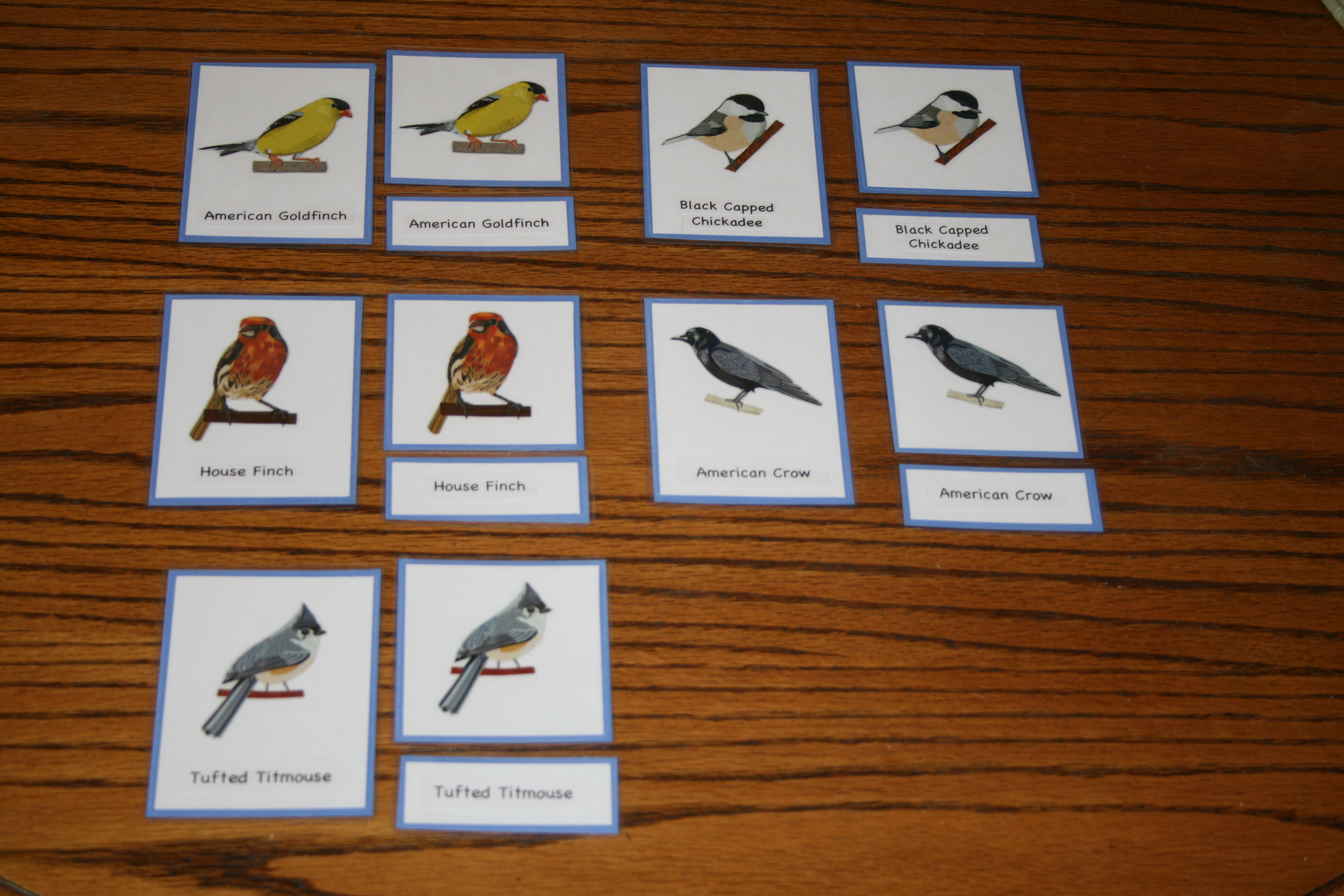
Then, more recently I was at Michael’s and I found some beautiful bird stickers, so last week I made these:
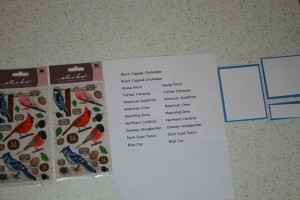
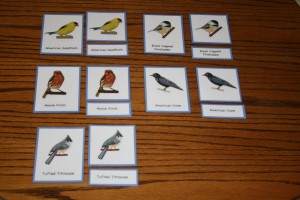


The words will be harder for her to read, so I read them for her and she’s already learning new bird species!

And then, when I decided to go with a geography theme for Julia’s upcoming 2nd birthday, I found this great resource with free continent three part card printables, flags of the world printables, and more!

A huge list of free three part card printables:

http://thelittlelist.wordpress.com/2011/05/07/free-montessori-nomenclature-three-part-cards/

One more resource for photo three part cards:

http://www.1plus1plus1equals1.com/MontessoriPrintables.html

Country Flag card printables:

http://www.homeschoolcreations.com/Geography.html

This is another great how to create three-part cards resource:

http://www.montessoriprintshop.com/Prepare_3-Part_Cards.html

If you’re anything like me, you won’t be able to stop once you’ve started. Maybe we can start a three part cards support group or something! Please let me know if this article was useful for you by leaving me a comment.

And have a wonderful week, Shelly

Five Signs I’m Not Taking Care of Myself

OK Moms, it’s time to get real. We take excellent, outstanding, superb care of our children almost all of the time. And then the rest of the time we yell at them or do other things we don’t like. But by in large, we are very good mothers doing a really hard job extremely well. But here’s the kicker, we’re not so great at taking care of ourselves sometimes. And that’s where we’re actually failing our kids.

By neglecting ourselves and taking care of others instead, we’re not modeling selflessness, as we might like to believe, we’re actually modeling martyrdom. And it’s no good. I mean do we really want our daughters to grow up and serve up a delicious and nutritious dinner for their families and then go in the other room and cry about how exhausted they are? I don’t think so. We don’t have to suffer to be good parents. In fact, we’re much better parents (and partners) when we’re feeling pampered and privileged, than when we’re on the verge of a mental break down.

This week I realized that over time I have identified several indicators that I’m not taking enough care of myself. I’m guessing some of these are universal, so I’ll share mine, and then you can come up with your own unique list. The idea here is to see the warning signs of a lack of self-care BEFORE things get out of hand, and then to actually take the time, ask for the help, and do what you need to do to take better care of yourself. After all, your children deserve the best version of you, right?

It’s all about self-awareness. So, here are my five signs that I’m not taking enough care of myself:

1) I’m grumpy– When I’m grumpy it’s usually because I’m either too tired, too hungry or too thirsty. When I snap, get easily frustrated, or feel annoyed at everything around me, I know it’s time to take a break, get some food, water and/or rest and reboot. Sometimes I don’t even notice that I’m grumpy until my husband tells me that I’m not being very nice. Luckily, I’m usually not too far-gone and I’m able to hear his feedback as a loving request, rather than a scathing judgment.

2) I’m clumsy– I drop and break things. The other day a glass actually flew out of my hands and exploded all over the kitchen floor in a million tiny shards (of course we were all barefoot at the time) In the past I’ve done things like drop a full container of paint or spilled a bunch of beet juice all over the kitchen counter and floor. This is a reminder to slow down, take more care, get more rest, and to be more intentional as I move through my day.

3) I can’t think straight and I’m on the verge of tears all day— This is clearly an indication of sleep deprivation but can also be a lack of nutrition or hormones. When I forget to take my vitamins it sometimes impacts my mental clarity. And when I’m too tired, I get sad and teary about things that wouldn’t normally bother me. This can also happen to me at certain points in my cycle and can be hormonally driven, so it’s important to have compassion for ourselves when our hormones seem to undermine our emotional stability. It usually really helps me to call a good girlfriend at times like this. Getting some empathy and understanding from a trusted friend can do wonders for my emotional state.

4) I hurt myself– For me this is usually physical, but for you it might also be emotional. When I “accidentally” hurt my body by bumping, bruising, straining, or spraining something it’s a great reminder to slow down and remember my physical limits. I am only human and I need to learn to ask for help! Just before I got pregnant I accidentally cut my finger with a knife and ended up in urgent care with a bunch of stitches. Sure, accidents happen, but take a look at whether there’s a pattern happening here for you.

This can also be emotional, if you find yourself ruminating about things that make you feel bad, you might be hurting yourself emotionally. Do your best to cut it out! Emotional abuse doesn’t help anybody, and your negative self-talk CAN be learned by your children. When I’ve battled negative thoughts in the past, I’ve had to have a no tolerance policy and have forced myself away from thoughts that were hurtful and toward thoughts that are empowering or inspiring.

5) My body feels heavy, slow, and sad— Bodies need exercise. Yes, even yours! I know I’m not getting enough exercise when I feel heavy, slow, and sad. My body loves the jolt of endorphins I get when I do aerobic exercise REGULARLY. Sure, I might feel “too tired” to go for a run, but when I get into a regular exercise routine, I really do feel more energetic and happier. We all have our excuses why we can’t get to the gym, but in a choice between an unhappy mom and a happier mom, your kids will always choose a happier mom, even if it means being away from you for an hour a few times a week (or better yet, every day). Go to that yoga class you’ve been missing, you have my express permission to pamper yourself.

When I realize that one of these things is happening, I slow down, take some time to reflect on my most urgent needs, and then make a plan to meet them. Sometimes that looks like a catnap on the couch while my daughter is playing nearby. When I was pregnant it meant rearranging my entire workday so that I could have an early afternoon nap every single day. Other times it means I leave the house early in the morning to get my work out in. One more thing, don’t underestimate proper nutrition as a contributor to your exhaustion and/or frustration either. Take stock of your intake of caffeine, sugar, and whole foods, as well as exercise and sleep.

So now is your chance to create your own list of signs you’re not taking care of yourself. I hope you’ll do so now and then share them with us! Together, we can learn to take better care of ourselves and as a result we’ll teach our children that our wellbeing is important to us. I know that’s a lesson I REALLY want my daughter to learn.

Have a beautiful week, Shelly

Montessori Inspired Plant Watering Activity


Montessori Inspired Plant Watering Activity

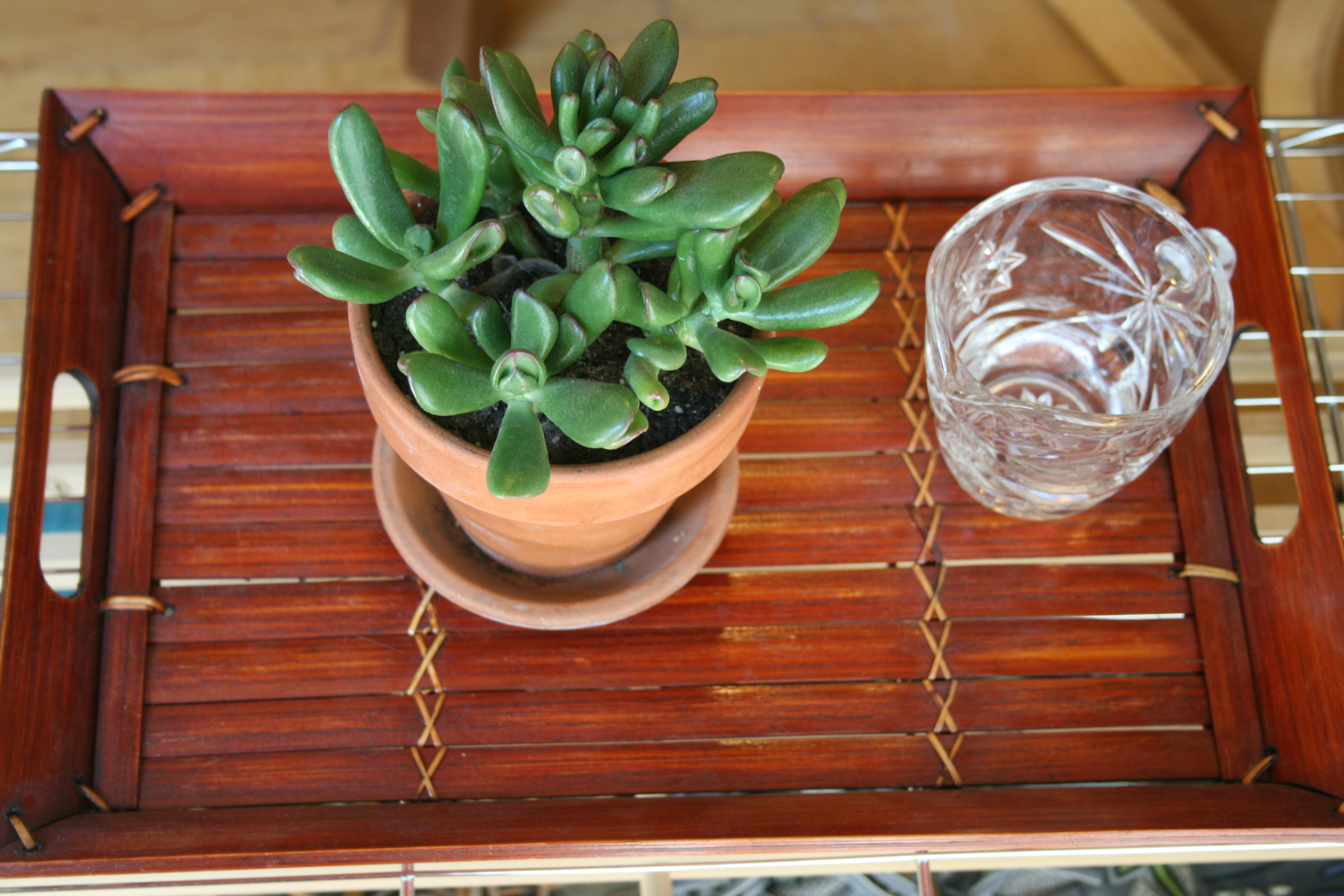
What you’ll need:

A tray that you don’t mind getting wet

A clear pitcher already filled with a small amount of water

A hardy plant that needs a drink

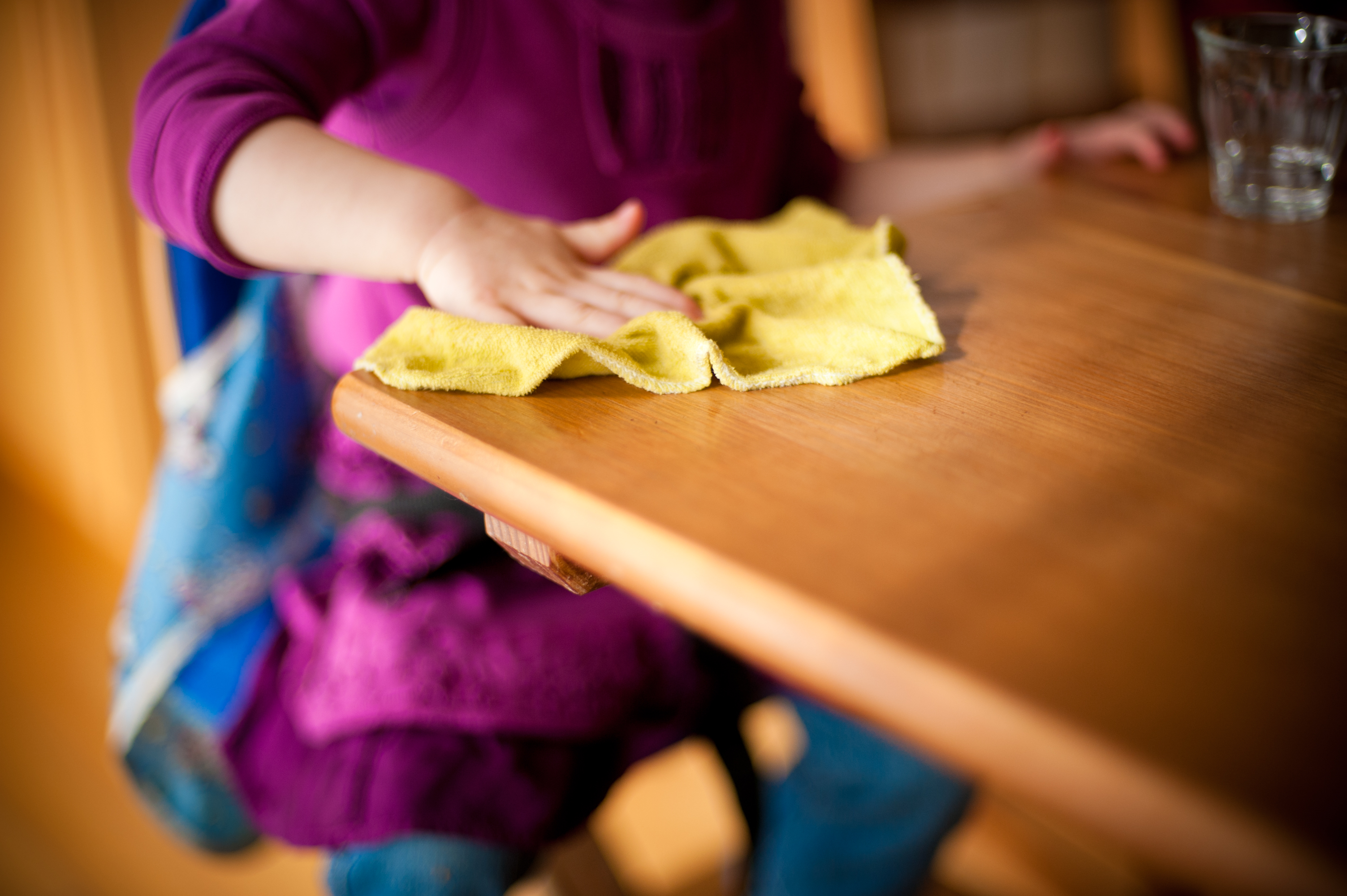
A nearby towel available for spills


Here my daughter discovers the activity and gets ready to pour.


Pouring!


Finishing the pour.


Just making sure she didn’t miss any!

Why My Child’s Sleep Rules My Life and I Wouldn’t Have it Any Other Way

I hear all sorts of things from other parents and from my colleagues about how a child’s sleep schedule doesn’t have to rule your life. I’ve heard moms proclaim, “I’m not about to let my infant dictate my schedule, she can sleep just as well in the stroller anyway.” Well, I respectfully disagree.

Children need adequate sleep to be able to function and learn well, just like we all do. And stroller sleeping is NOT the same thing as sleeping at home in a cozy and familiar bed. Sure, children CAN do it, but that doesn’t mean they should.

Just yesterday I was listening to the radio and heard that for an adult, missing an hour of sleep per night for a week diminishes our mental capacity to the same degree as it would if we had not slept for 48 hours straight. Whoa. Sleep really does impact us more than we realize.

Maybe you’re one of those parents who resists a consistent schedule or who doesn’t want to schedule the rest of your life around your child’s need for sleep. If so, my intention is not to belittle your choice or even necessarily to convince you to change your ways. I just want to tell you about why I love it that my life is completely ruled by my daughter’s sleep.

#1 Zero meltdown days- When my daughter gets a consistent sleeping schedule, she is happier, more adaptable, and better able to handle surprises or disruptions to the rest of the schedule. If she’s sleep deprived (even an hour less sleep in 24 hrs.) she is MUCH more reactive and more likely to become upset by things that seem incredibly small and insignificant to me. As long as I keep her napping and sleeping schedule consistent, we often have lots of zero meltdown days!

#2 She asks for her nap and to go to bed at night- The first time I asked, “Are you ready for your nap?” and heard a “Yes, Mommy.” I was shocked. I’ve had a LOT of experience with children resisting sleep, and she will sometimes fight it after we’re in her room, but she will ALWAYS willingly go into her bedroom for nap-time. I think this speaks to how clearly I’ve held her sleep as a priority and how consistent I’ve been with the timing and location of her daily naps.

#3 I like a consistent schedule too- Honestly, it’s difficult for me to empathize with a distaste for schedules, I find a consistent routine comforting and easier than changing things up constantly. Sure, we’re home a lot, but I like being at home! For those of you who don’t enjoy a consistent schedule, what is it about this that bothers you? Is it simply boring to do the same thing every day? Or is it something else? I guess I’m just lucky that I enjoy consistency, because it’s been clear to me all along that my daughter thrives when she knows what to expect and feels comfortable in a familiar environment. Sure, we go out on adventures, but we almost always come back home to sleep.

#4 Did I mention zero meltdowns?- OK, so not only is it easier for HER emotional state when she gets consistent and reliable sleep, it’s easier for me too! I guess I could choose to stay out at a fun activity for an extra half an hour, but the resultant fussiness my daughter exhibits has never seemed worth it to me. I make it a point to change or disrupt her sleeping schedule only about once a month. And when I do, it usually takes us several days to get back on schedule, so it has to be something really worthwhile like staying up late around the campfire, going to a special art exhibit or a musical performance I’ve been really looking forward to.

#5 When the schedule changes, she rolls with it- By providing a consistent sleep schedule as a foundation for my daughter, she knows she’ll get the rest she needs, so she doesn’t have to freak out when I keep her out an hour past her bedtime once a month. Instead, she is just her usual happy self, even well past her bedtime. But that’s only because I’ve built up a saving’s account of consistent sleep that she can draw on during unusual circumstances.

So, all in all I think my message is clear. I’ve prioritized my daughter’s sleep schedule so that our lives together will be easier and more fun. Who cares about that extra hour of time out with a friend if the rest of the day with my daughter is frustrating and filled with meltdowns?!

When I choose consistency for my child’s sleep, I’m also choosing more cooperation, ease and sanity for myself. Do you agree or disagree with me? I would love to hear YOUR opinion!

Have a wonderful and restful week, Shelly

Why We Montessori (my new school just opened!)

About six months ago I realized that Julia is ready for preschool. She loves to go to story time at the library, enjoys social interactions, is absorbing information at a phenomenal rate, and is beginning to test the rules and boundaries, all indicators of readiness for greater social challenges. So I went and visited a hand full of preschools in my area. Most of them wouldn’t admit a child under three years old and since Julia isn’t quite two yet my choices were somewhat limited to a few Montessori toddler programs with pretty steep price tags.

I’ve worked in Montessori classrooms for years and while I loved the programs I visited, I balked at the price. Then I visited some programs that were not Montessori and I was again reminded why I love the Montessori classroom so much. The chaos, clutter, and lack of clear boundaries that I observed at some of the other schools I visited re-inspired me to continue to use Montessori philosophies to teach Julia at home. The only problem was that I don’t have any other children, so there’s no mixed age classroom and a distinct lack of peer interactions.

So I decided to open a Montessori-Inspired preschool and toddler house here at home two mornings a week. This was my first week of class with just one new student, but I was already impressed by the children’s immediate ability to engage with their work, follow my rules and directions, clean up after themselves, and innovate new and interesting ways to explore the environment. My new school is already a success!

Now Julia is getting the social interaction she’s been craving and she is already more physically adventurous after watching her new friend climb jump and play. Hooray! Plus, now I have an even better excuse to spend my evenings creating learning materials. Yes, I really am that much of a Montessori geek. Three part cards are rocking my world right now. More on that in a future post, but for now I’ll just say it’s wonderful to be back in a Montessori classroom.

Here’s a list of a few of my favorite things about Montessori vs. Traditional preschool environments:

Montessori Traditional
Peaceful, quiet, and focused on individual exploration; children are engaged in meaningful learning and expanding their interests and attention spans. Chaotic and loud; children are running around like maniacs with few opportunities for sustained attention.
Lots of choices and children are each doing their own thing, which emphasizes awareness of ones own interests, needs, and desires. The whole group does things together which emphasizes herd mentality and going along with the group.
Mixed ages means children can both learn from one another and teach one another. Varied social experiences and celebration of each child’s unique skills and expertise are the norm. Same ages grouped together means children have little experience navigating social interactions with older and younger children. A child’s only mentor is the teacher.
Clear rules, boundaries, and expectations about the use of materials and the need to put activities away so that the next person can use them creates a culture where cleaning up is just a matter of course. Children end up enjoying cleaning and often choose cleaning activities for fun! Undefined expectations about how to use toys and materials can lead to destructive behaviors as children search for the boundaries. Children are given free reign to create a huge mess and then inconsistently asked to help clean up at the end of the day but never develop a deeper care for their environment.

So, there you have it. Just a few of the reasons that a Montessori or Montessori-Inspired environment is the only one my daughter will be in. And to those of you out there who choose Waldorf for your kids, I’m curious about how you would include the Waldorf philosophies and practices in my chart. I don’t know much about Waldorf but from what I do know, the philosophies sound interesting and aligned with my heart, but my observations of Waldorf in action have been less than stellar. I would love to be converted to a Waldorf lover (although I think Montessori education will always be my first love). So, please leave me a comment to teach me more about why Waldorf is another great choice for conscious parents!

And have a fantastic week. Love, Shelly