8 Breastfeeding Myths That Make Me Want to Scream

Happy Breastfeeding Awareness month everybody! In honor of this important topic, I’d like to share some of the breastfeeding myths that make me want to shake people and yell, “What?! No!!!! That’s just not true!”

1)   Breastfeeding is sexual

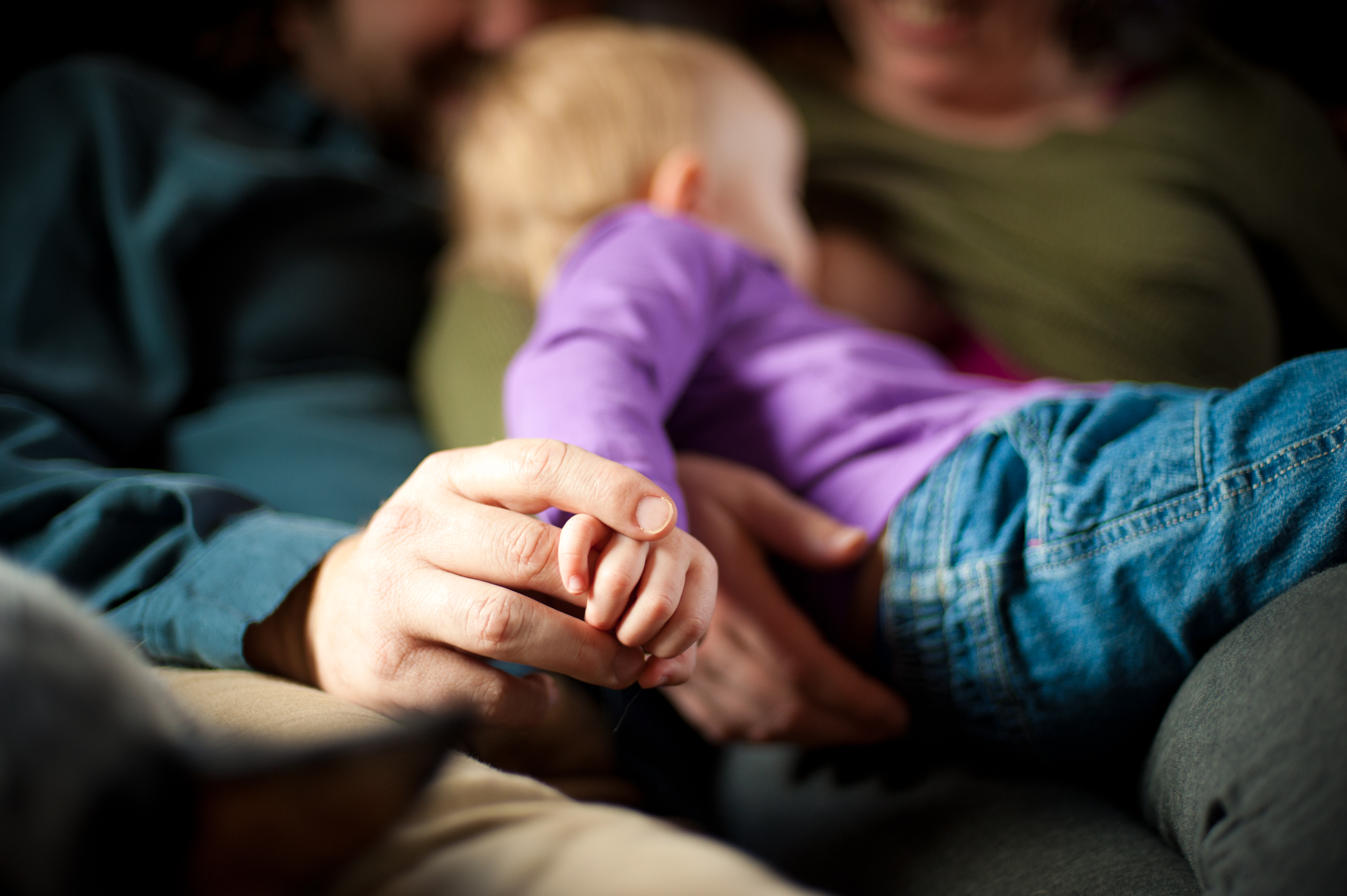
Um, excuse me but while our culture has sexualized breasts, their original and primary function is to FEED BABIES.  Yes, breastfeeding feels good, but it’s definitely not sexual, and nursing in public is certainly not displaying our breasts to be ogled or even an overt attempt to make you uncomfortable.

If my baby needs to eat, I will feed her. Period. It’s not about you. It’s about meeting my baby’s needs as best I can so that she can learn to trust that the world is a benevolent place and know on a fundamental level that she is deeply cared for. I’m not trying to make you uncomfortable by nursing in public, but I will do it and hope that others will too until it just becomes normal and no longer makes people cringe, blush, or turn away.

2)   Nursing in public is immodest

OK, so what about this group of people who claim that breastfeeding in public is fine, as long as it’s hidden under a cover or in a bathroom stall. I’m sorry but I don’t like eating with a blanket over my head and neither does my baby. And don’t try pulling that “nipples are obscene” crap either, men’s nipples are shown ALL THE TIME and nobody makes a fuss. Get over it.

3)   Formula supplementation is necessary

The truth is that formula supplementation can lead to a reduction in milk supply which leads to more formula supplementation and before you know it and despite your best intentions, you end up giving up on nursing entirely.

Yes, there are some instances where babies need formula supplementation, like when they are unable to digest protein and need medical intervention. But what bothers me is how often nurses and hospital staff freak parents out with percentages of weight loss and then push formula supplementation on them in the early days of their baby’s life when the nursing relationship is still so new and newly developing.

My milk didn’t come in until day 9 and the doctors were concerned about my baby losing so much weight. So I did supplement, but I did it with donated breast milk using a tube so that my daughter was sucking at the breast while she received the donated milk. That helped stimulate my milk production and gave her the benefits of breast milk, even before mine came in.

I guess I just want new moms to know that there are other options and they don’t HAVE to use formula if they don’t want to. And I think hospital staff tend to downplay the potential long term effects on your milk supply, so please consider the decision carefully before you decide to supplement with formula.

4)   Toddlers and preschoolers are too old to nurse

Oh this one really pisses me off. Anthropologically, it’s believed that humans have nursed until ages 3-5yo for most of human evolution. We nurse until we’re ready to give it up, until our needs for comfort transform into hugs and snuggles, and until most of our caloric needs are met by solid foods. The age at which these milestones happen can be different for different kids. And sure, the mom also has a say in how long she’s willing or able to nurse. But this idea that once they’re talking they’re too old for their “milky” is just ridiculous. That’s a personal decision to be made between mother and child. It’s actually not anyone else’s business, so take those judgments elsewhere please.

5)   You should pump so that others can feed your baby

Excuse me but someone else’s desire to feed my baby is not a good enough reason for me to attach myself to a machine for half an hour to get a couple of ounces of milk out. If you like pumping, more power to you Mama, but for me, it was a hassle, I never got much milk, and I MUCH preferred the experience of snuggling up with my baby to hanging out with that machine.

I worked hard to arrange my life so that I would be able to work from home, nurse my baby for 2 years, and spend time bonding with her. Yes, it required a big commitment to be available to her for about half an hour AT LEAST every 3 hours (and often for shorter nursing sessions much more frequently), for 2 years but it worked well for us. I guess I just want you to know that if you don’t want to pump and store extra milk so that others can feed your baby, you don’t have to. Even though you might get some pressure to do so, you should only do what works for you and your baby. Everyone else will adjust, and before you know it your sweet baby will be weaned and on to new adventures.

6)   Breastfeeding takes too much effort

Unfortunately, our society is not based on what’s best for children and families. Instead, the almighty dollar seems to determine our fate far more than we’d like. But there are some things that are worth pushing ourselves out of our comfort zones and brainstorming new solutions.

Yes, nursing in public can be uncomfortable, especially when you get dirty looks or nasty comments from passers by. Yes, you’re required to be near your baby more frequently and can only have small windows of time away from him. But have you SEEN all the new studies showing what a huge benefit breastmilk is to your baby? Better immunity, better emotional security, and even a higher IQ? I think breasfeeding is well worth the effort.

Oh, and when I see parents shushing their screaming infants while trying to mix powder and water as quickly as humanly possible, I think, “Wow! That looks like a lot of effort. All I have to do is pull down my shirt and I have instant access to the most nutritious food my baby could want!”

7)    Breastfeeding doesn’t hurt

It’s a nice idea and all, and maybe for some women breastfeeding never hurts a bit. But most of the women I talked to said it hurt a LOT for the first couple of weeks and then settled down after that. Unfortunately for me, the pain didn’t cease and since all I heard was, “it shouldn’t hurt” I didn’t realize that I had Raynaud’s phenomenon of the nipple until my daughter was 9 months old.

Although it was once considered rare, new studies estimate that up to 20% of women may suffer from Raynaud’s, many of whom are misdiagnosed with thrush, and given antibiotics unnecessarily. Often, not understanding the cause of their pain, women stop breastfeeding because it’s so incredibly painful to continue. But there are herbal solutions (like red pepper) and there’s a medication that can bring relief of these symptoms and help moms continue to breastfeed, even if they have Raynaud’s.

8)   Advocating for breastfeeding means I think you’re a bad parent if you formula feed

I do want to acknowledge the fact that not everyone is able to breastfeed. If you’ve tried hard to nurse your baby and still weren’t able to breastfeed, please know that I support and appreciate your efforts. And I don’t think your baby’s immune system will be drastically compromised or that formula will make your baby stupid.

Your care and attention have a far greater impact than the milk your baby consumes. There’s no shame in being unable to breastfeed. I just wish our society was set up in such a way that we could help each other out, nurse each other’s babies and tell formula companies to go take a hike.

So what are the breastfeeding myths that most bother you? I would love to learn even more about breastfeeding this week, so don’t be shy, please share your thoughts, ideas, articles and resources with the rest of us by leaving a comment.

And have a wonderful week, Shelly


5 Reasons to Encourage Your Kid to Climb a Tree

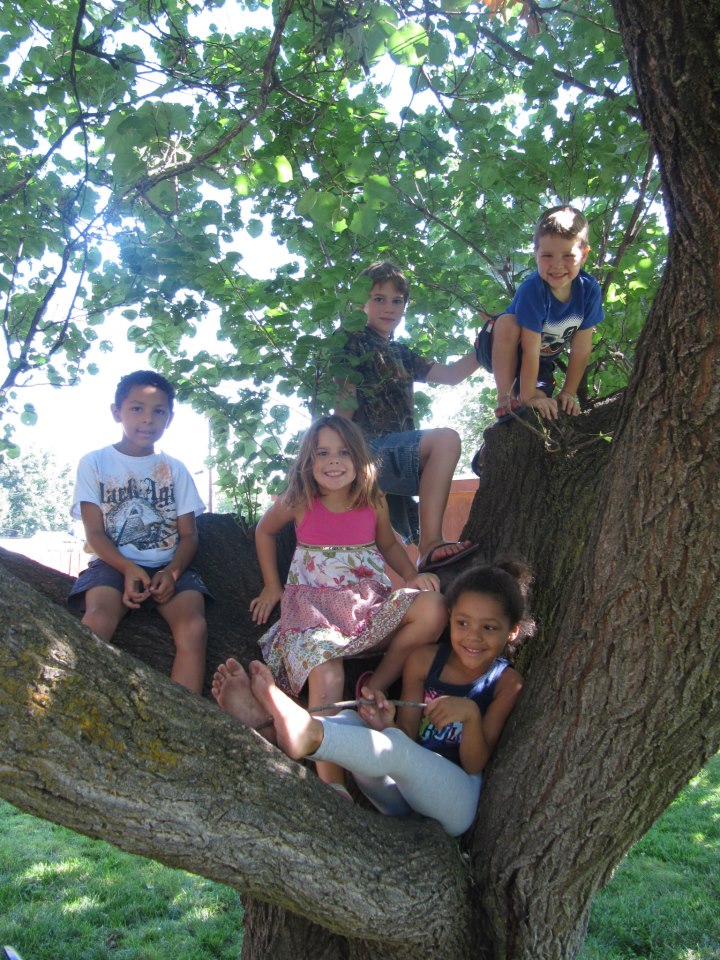
There are lots of reasons to encourage kids to climb trees, but many of them can begin to seem unimportant when faced with the possibility of our beloved child falling out of one. Besides the fact that kids just love it, here are my top five reasons, backed by science, to support tree climbing despite its inherent risks.

1)   Being Outside Reduces Stress

Many studies over the past 20 years have shown that spending time in nature reduces cortisol levels, lowers blood pressure, increases resilience, and supports cognitive function. And climbing trees is a great way to help kids engage in an outside activity that is fun and challenging.

By encouraging this type of outdoor play and discovery, you’re putting your child into an environment that she has evolved to enjoy and appreciate.

2)   Connecting With Nature Is Good For Us and the Planet

Helping your child develop a personal relationship with nature has lots of benefits both to your child and to the environment. We humans are funny. When we care about something deeply, we’ll work incredibly hard to preserve it. So, by helping your child connect with nature, he is better off because of all of the benefits mentioned above and the environment is better off because your child will work hard to preserve the nature he loves so dearly.

Working with children showed me that when kids understand the direct implications of their impact on the environment, they’re motivated to reduce their carbon footprint and are easily able to change their habits to live in more harmony with nature. For instance, after learning about landfills, many children become recycling activists in their homes and schools. And after a trip to a local water treatment facility where we got to engage in hands on demonstrations, I saw a marked improvement in water conservation efforts and interest in overall watershed health.

3)   Climbing Trees is Good for Physical Development

As I began to write this article I spoke to a local 7 year-old boy. I asked him, “what’s your favorite thing about climbing trees?” and he responded immediately, “Climbing!” Kids love the challenge of deciding where to put their feet and hands, and the exhilaration of getting high up into a tree. There’s a physical challenge and a huge sense of accomplishment that goes along with tree climbing. I wish more kids were encouraged to climb trees.

Developing hand/eye coordination, muscle strength, and the ability to assess their own safety are all skills that benefit kids. And they’re the same skills that are often found lacking in today’s screen focused world.

4)   Taking Risks Helps Kids Learn Their Strengths and Limitations

By challenging themselves physically, kids learn their strengths and limitations quickly. They know when it’s easy, when it’s hard, and when they start to feel unsafe. It’s important for children to have the experience of pushing themselves and knowing when to step back and play it safe. You may be surprised to find that children have quite a strong sense of self-preservation when they’re allowed to exercise it.

Yes, this does require us to step back, stop saying, “be careful!” and allow our kids to explore without us hovering and monitoring their every move. I know it can be difficult, and if you really have a tough time with it, I’d recommend sending the kids out with their dad (or other masculine role model). I’ve found that in general dads are much better at letting kids take physical risks than moms are. As much as super child safe playground like those made by sites like https://www.softsurfaces.co.uk/ are good for the really little ones, there comes a time where the little ones need to grow up and learn to make mistakes and scrape their elbows and knees a little.

Even so, it’s still important to develop this ability for yourself, mom. Eventually we’re going to have teenagers on our hands and if we don’t allow our kids to take calculated risks now, they won’t be prepared for the life and death decisions they’ll be required to make once drinking and driving enter into the picture.

5)   Spending Time in Nature Encourages Scientific Discovery

Are your kids curious about birds, bees, squirrels, and raccoons? Spending time outside climbing trees is a wonderful way to encourage scientific interests. Maybe they’ll discover a next and get to watch baby birds being fed by their parents. Or perhaps they’ll discover a new species of beetle, never before catalogued.

By encouraging kids to climb trees, you’re really encouraging them to explore the natural world in all it’s glory. How does a plant grow? Where does a tree get its nutrients? What does decomposition look like? And what happens if a bird’s nest is disturbed?

Children are natural scientists and will create experiments, hypotheses, and conclusions about everything in life. Why not encourage them to conduct some of their research in the canopy?

So, let’s all go out and climb a tree! And let’s make sure our kids get the opportunity to spend time outdoors, climbing trees, playing, making up songs and stories, coming up with wild theories, and just forging a relationship with this wonderful, wild, beautiful world we live in.

Have a great week, Shelly

How to Hold Space for a Tantrum and Actually Enjoy Yourself

This morning we made it all the way to the car with everything we needed for the day but for some reason when I suggested that my daughter hand me her lunch box so that she could climb into the car, she freaked. After some tears and some pushing me away and something garbled that I couldn’t quite understand, I did get her to agree to let me lift her into the car seat (which she usually HATES) so that she could hold on to her lunch box the entire time. She cried for a while in the car on the way to school. It wasn’t a complete meltdown, but it reminded me how confusing it is when kids get upset and we don’t know why.

Their emotions are so big sometimes and it’s hard to understand exactly why they’re freaking out.

I think that tantrums are some of the most frustrating, upsetting, and confusing experiences we have with our kids. It’s mind boggling to see how out of control they can become over such seemingly meaningless stuff like whether or not they got to have one more bedtime story. Kids can work themselves up into a frenzy over things that appear to us to be completely mundane and innocuous.

Holding space for big feelings is something I’m passionate about, probably because I wanted someone to do the same for me as a kid. In fact, I love it when my husband, friends, and family members hold space for my big feelings now. It’s a huge gift to be invited to fully feel without being silenced, judged, or convinced out of my anger or sorrow. So I’ve developed five steps to holding space for a tantrum that will leave you feeling more peaceful and connected to your child at the end of a meltdown than you did before it began.

Step 1: Remember it’s not about the blue cup

The reasons for a tantrum can be a varied as the people having the tantrum are but remembering that tantrums are usually NOT about the purported upset and are actually often an excuse to release the tension of the day can help you to remain calm and centered as you hold space for your child.

Some common causes of tantrums are: over-tiredness, hunger, social conflict, and unmet needs for autonomy. Remembering these can help you reflect on how to avoid tantrums in the future, rather than remaining stuck in the confusion of trying to understand why your child (who by now you might suspect is insane) is having such an overreaction to the fact that she got the red cup instead of the blue cup. Yes, the color of the cup really does matter to her. AND she’s using this as an opportunity to release pent up emotions, which is ultimately a good thing.

Step 2: Breathe and relax

Easier said than done when faced with a raging or weeping young person. But when we can relax and breathe deeply during a tantrum, we’re effectively managing our own emotions and helping our kids to regulate too. Mirror neurons in our brains cause us to automatically match the emotional energy of the people near us, that’s probably why laughter is so contagious and why we cry at sad movies.

The good news is that we can use these neurons to our advantage by choosing to remain peaceful during a child’s outburst. Kids are naturally inclined to return to a regulated state if they’re near someone else who is feeling peaceful. So take this opportunity to practice the meditation of equanimity, simply being with what’s so without judging it or pushing it away.

Step 3: Don’t take it personally

This is a tricky one, especially if your child likes to scream things like, “I hate you!” during a tantrum. But if you can remember that your child’s upset is more about his unmet needs and less about you or your actions, you may be able to see that having big feelings is just a normal part of life and it’s not your fault that your child is having a meltdown.

When we can stop taking our children’s big feelings personally, we can begin to offer empathy and compassion without needing to backpedal on the boundaries we’ve just set.

“I hear that you’re really upset and I understand that it’s hard to hear no. I love you and it’s OK to cry as much as you need to.”

Step 4: Celebrate your child’s release

I don’t know about you, but when I’m feeling tense a good cry feels great. I might not enjoy it during the crying (although sometimes I do) but I almost always feel MUCH better afterward. I like to imagine that the emotional system is similar to the digestive system. We take in stimulus, we use what we need for our wellbeing, and we’re left with waste products that need to be expelled. I see crying as one of those healthy waste products of our emotional system.

So the next time your child is having big feelings, try celebrating it. “Oh it feels so good to get that out of your body, huh?” By taking an attitude of celebration you’re doing two things, first you’re embracing your child just as he is, letting him know that you love him no matter what he’s feeling and second, you’re re-framing the experience as a positive one for both of you.

 It’s good to let our feelings out and share them with our loved ones.

Remember, this is the foundation you’re building so that your teenager will eventually come to you with her problems, rather than completely relying on her friends for advice.

Step 5: Connect

Some kids like snuggles after a big cry, others want to be left alone or just have their back patted, still others might enjoy sitting quietly and reading a book together. By learning what your child likes after a big release, you can offer it and reconnect lovingly with your little sweetheart.

I’ve noticed that when my daughter is really upset, there’s a part of her tantrum where she needs space, and then toward the end, she comes over to me for a snuggle. It’s such a sweet and tender time of connection for us. I just hold her, rub her back, and remind her that it’s OK to cry until she gets all of her tears out. When she’s done, we usually have some hugs and kisses and then figure out the next fun game we’ll play.

By connecting after a big emotional release, we’re letting our kids know that their big feelings are completely OK, and not anything to be ashamed of or to hide away. For me, this is also healing, since I was afraid to share my big feelings and often chose to stuff or suppress my emotional experience as a child and young adult.

This is how I manage my own emotional state while holding space for kids who are having big, uncontrolled emotions. I hope it works for you too and I would love to hear about your own methods and practices about how you deal with tantrums. Please share your wisdom with the rest of us!

And have a lovely week, Shelly

Photo Credit: DIONNA RAEDEKE

Want more tools and tips on how to handle big feelings? Check out my audio program: Perspectives on Feelings

What Does Radical Self Care Mean to You?

I was on Facebook yesterday (big surprise) and I glanced at a post that said, “What does radical self-care mean to you?” I didn’t read the rest of the post or think about it much at the time, but as I sat down to write my blog today, I realized that I’ve been engaging in some radical self-care recently.

We all know that self-care is important, or at least we hear it from our friends and nod our heads knowingly. But how often do we actually choose to care for ourselves? And of those times, are we engaging in the minimum amount of self-care so that we don’t feel disgusting, like my recent self-administered foot massage and pedicure? Or are we actually practicing radical self-care?

What does radical self-care even mean?

As I thought more about it I realized that over the past several weeks I’ve spent hours on Pinterest adding pins to my Tattoo board. It’s the most self-centered activity I’ve engaged in for months. And I LOVE it. Every night after my daughter is in bed I pour over images and imagine my tattoo. I think about where I will put it on my body. I imagine how it will look. I think about how much it might hurt and the fact that it will take time to heal.

Maybe it sounds odd to think that a tattoo is self-care, but for me it is. It’s a way to express myself. It’s a beautiful piece of artwork that I get to wear for the rest of my life, just for me. I know it will be painful, but I’ve been through childbirth, so I know how to welcome the pain. And besides, life is painful. There’s no getting away from pain, no matter how hard we try.

For me, there’s a spiritual aspect to getting a tattoo. If you have one, you probably know what I’m talking about, but for those of you who don’t, let me explain.

Years ago I did some Native American spiritual ceremonies. I did sweat lodges, a couple of teepee ceremonies, and finally, a full on vision quest. I spent days on a hill with no food or water. It was a truly transformative experience.

I know, I know, depriving myself of food and water doesn’t exactly sound like self-care, but here’s the thing. When I did those ceremonies I consciously put my body under duress. I was too hot or I was sleep deprived or I was hungry or thirsty or nauseous. But by experiencing those physical challenges, it was somehow easier to access spiritual clarity. The idea behind these kinds of spiritual trials is that they bring us closer to God.

During my vision quest my priorities came into sharp relief.

I got clear about my purpose. I got a visit from my grandmother who had passed away. Call me crazy if you want to, but these experiences were huge gifts to me.

I left each of these life events richer than I was before. I gained more knowledge of myself, my connection to spirit, and my body’s abilities and limitations. Every time I’ve challenged myself whether physically, emotionally, or spiritually, I’ve come away stronger and more sure of myself.

These ceremonies were rights of passage for me. And so is the tattoo I will be getting. For me, a tattoo is radical self-care. And it doesn’t have to make sense to anyone but me. It’s OK if my parents or other people cringe at the sight of my new tattoo. It’s not about impressing or disappointing anyone else, it’s just about ME choosing an outer expression to reflect my inner world.

Sometimes I create visual art, or I cry or rage. Other times I write or hot tub or savor an extra long hug from a dear friend. And soon I’ll be getting my first tattoo.

This is how I heal and grow.

Your way might be different, and that’s beautiful too. I would love to hear about your own notions of radical self-care. What does it look like in YOUR life? Have you been through similar ceremonies or other rites of passage? How do you know when you’ve achieved radical self-care? And do you care how your self-care appears to other people? Does it bother you to think that others might consider you “selfish” for doing the things that nurture you?

I hope you’ll share your thoughts, experiences, and ideas with me by leaving a comment.

And I deeply wish you all the love and peace you can possibly handle.

Warm hugs, Shelly

7 Destructive Parenting Myths

As a parent coach, I hear all sorts of thoughts and ideas that just don’t hold up to the current research on child-development and attachment, but some of these myths have been handed down from generation to generation for so long that we can forget to question them. Here are the 7 parenting myths that bother me the most:

1.    Kids Can’t Be Trusted

In my work as a preschool teacher, I’ve worked with hundreds of children and I’ve never met a child who wasn’t trustworthy. Children will rise to our expectations of them and I’ve noticed that when I expect them to follow through on their commitments and do what they say they will, I get excellent results.

If you’ve been thinking that your child isn’t trustworthy, ask yourself how you can support the innate trustworthiness inside every child. You could try making it easier for your child to keep his commitments by setting up systems that remind and help, instead of blaming or shaming him when he makes a mistake. After all, everybody makes mistakes, it’s a huge part of learning!

2.    Discipline Equals Punishment

I sure wish these two words weren’t as conflated as they are in our culture. Punishing children is both inappropriate and ineffective. Discipline on the other hand is absolutely essential. Self-control, self-discipline, and self-determination are the result of appropriate and compassionate discipline.

Discipline means setting clear boundaries, and being flexible within those boundaries. It does not need to include threatening, coercing or constantly forcing our will upon our kids. And it certainly doesn’t require overt or covert physical or emotional punishments.

Yes, time-out and counting to three can be used as punishment. The tone of your voice and the energy you’re projecting can make a huge impact on how your communication will be received. I’ve seen moms use innocuous phrases to threaten and just the other day I realized that something I said to my daughter could have been a threat if I’d used a different tone.

I think that mutual respect is the key to effective discipline. So this week, check in with yourself about the kind of energy your projecting and do your best to express your highest intentions, rather than getting stuck in the muck of using threats, coercion and punishment to get kids to do what you want.

3.    Breastfeeding is Embarrassing

Breastfeeding is one of the most important and beautiful gifts we can give to our infants, if we’re able. It is not embarrassing or sexual in any way to nurse a baby or toddler. Breastfeeding is without a doubt the best nourishment for babies. It also provides the bonding and comfort that infants need in order to develop healthy relationships and emotion regulation skills. How is any of that offensive? Yes, breasts are involved. In fact, news flash: breastfeeding is the PRIMARY FUNCTION of breasts.

Sure you can try to use a cover, but my daughter would never accept a cover, she found it far too distracting. Yes you can try to nurse at home, but sometimes your baby will be hungry when you’re not at home. Yes, cars are more private, but less comfortable, and there were times when I nursed in a car that I felt like I was hiding. I think it’s time to normalize breastfeeding again. Surely an all natural food source should not be denied to our children because other people are uncomfortable with the sight of a breast.

4.    Co-sleeping Means No More Sex

Without getting too graphic, let me just say that I have co-slept with my daughter for the past three years and my husband and I are having the best sex of our marriage. And no, we DO NOT have sex in the bed when our daughter is there.

Instead, I’ve co-slept with her in HER bed and we’ve reserved our bed for adult time, except for the occasional morning family snuggle. There are lots of ways to arrange co-sleeping. None of them need to involve sex in bed with a child present and all of them allow for lots of fun sexy adult time in places other than where your child is sleeping.

5.    It’s Inappropriate to Show Emotion In Front of Kids

I feel really sad when I think about this one. It’s crucially important for children’s emotional development and wellbeing that the adults around them model emotion regulation and emotional vulnerability. This lets kids know that they’re not alone in their emotional experiences and it helps them learn how to cope with their own big feelings.

Unfortunately when we hide our emotions from our kids, they end up feeling invalidated and learn to suppress their emotions too. Since I had to re-learn how to feel my feelings after decades of repressed emotion, I’m really hoping my daughter doesn’t have to go through the same process.

I do think it’s important to be responsible with our emotions when we’re with our kids. And to me, that means showing and sharing my emotional experience without directing my feelings AT my child or blaming her for my experience. It also means reassuring my daughter that she’s not the cause of my upset and telling her about what’s going on for me in peaceful language that’s developmentally appropriate.

Studies have shown that children can handle exposure to intense emotion without long-term negative effects, as long as they also experience a de-escalation and resolution of the emotional outburst (Nurture Shock by Po Bronson).

6.    Stay at Home Moms (or Dads) Don’t Work

Um, excuse me, but stay at home parentss are some of the hardest working people I know. In fact, often times I’m grateful for the diversion of working for cash because one, it’s painful how little our culture values homemakers’ work and two, being with young people all day every day is enough to make anyone lose their marbles. When I get to work with adults doing coaching I get paid for my time AND I get an adult social interaction out of the deal.

When I’m home alone with my daughter, I giver her attention and do the laundry and the dishes and clean the house and cook and clean up the kitchen after a meal and play with her and put her to sleep for her nap and rush around doing more cooking and cleaning and straightening and sorting until she wakes up and then I do an art project or create an activity or take her to the park or a museum but before we leave I pack a bag with extra clothes and snacks and water and alternate shoes depending on the activity and a sun hat and it. Just. Never. Stops.

And by the end of the day I’m completely exhausted and the house is a mess again and I didn’t earn a dollar. But I did get time with my daughter, some of which was fun and some of which was weirdly frustrating. And now I’m ruminating about the tone of voice I used that wasn’t kind and the thing that stranger said to my kid. Any of that sound familiar?

Let me just say it one more time in case I wasn’t clear, stay at home moms are the hardest working people I know. Your complete dedication to your children astounds me. I am in total awe that you can be with them from 6am to 8pm day in and day out without a break and without completely losing it 80% of the time. I commend you, appreciate you, and I want you to know, I see you. Even in the moments when you’re not with your kids, you’re thinking about them, planning things for them, and preparing to be your best for them. All I can say is WOW. And THANK YOU. Your children benefit immensely from your devotion and I’m so grateful for the work you do.

 7.    Taking Care of Ourselves Is Selfish and Hurts Kids

Quite the opposite actually, we ought to be the adults we hope our children will become. If we want our kids to take good care of themselves, guess what? We have to model the kind of self-care that will help us maintain a healthy and happy life. That means we MUST have friends. We need social interaction in order to be well and enjoy life as social beings. We also need time alone.

It is absolutely crucial that we do the things that make us happy and at ease so that our kids can experience that joy and ease too. Spending time in nature contributes to wellbeing by lowering your blood pressure.

I highly recommend that every woman participate in some type of women’s circle. Ideally you’d have a group of women that you feel comfortable sharing with and who you view as chosen sisters. The women’s circles I’ve participated in have been so incredibly supportive and life affirming. Every single time I participate in a women’s circle I’m glad I went.

Although I’m sure there are plenty more destructive parenting myths, these are the seven that I most want to dispel. On a more positive note, never forget that your connection with your kids is the most important part of parenting. As long as you’re reaching out for it, open to it, and working to repair any damage that’s been done, you’re doing a fantastic job as a parent and as a compassionate, caring, human being.

Have a fantastic week, Shelly