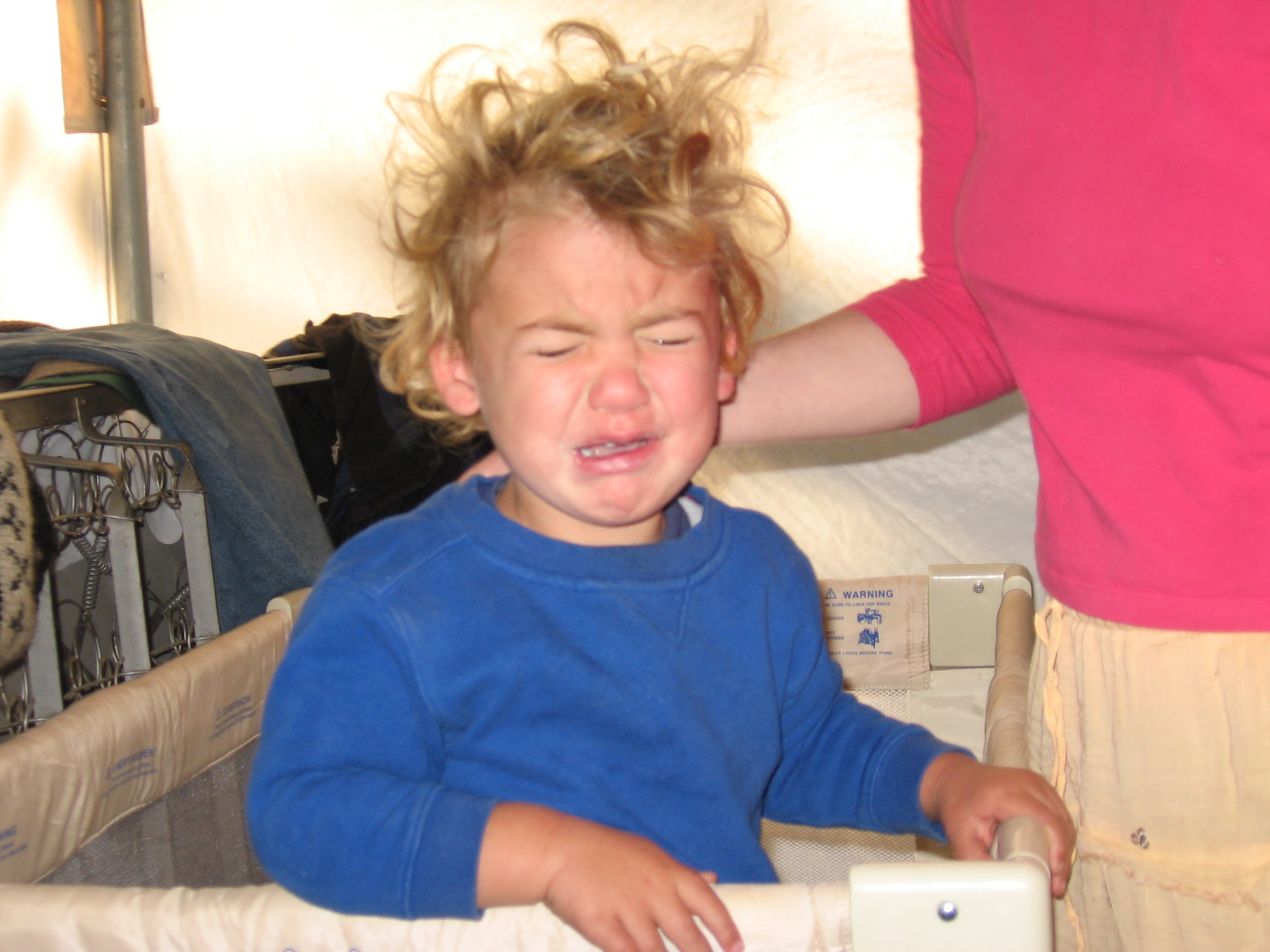

Another look at demands

We don’t blog much about, and certainly don’t advocate much for, demands. But sometimes a seemingly rash move like a demand can really shake things up–in good ways.

Last week a good friend of mine back east quit his job. His boss, who rarely had anything but criticism and sarcasm for him said, “I didn’t think you’d have the guts to do what’s best for yourself.” Then the two of them sat down and had a heart-to-heart that lasted over two hours!

This got me thinking–it seemed like the boss, too, was caught in some kind of pattern that was harmful even to herself. She experienced a kind of relief, too, when my friend quit–essentially, did the only thing in his power to demand the behavior stop. She also expressed some sadness and regret that things had gone the way they did. Once my friend unilaterally changed the terms of their relationship by walking out, the boss also got freed up to be more herself–got more access to her full humanity.

Which got me thinking about how sometimes we get stuck in patterns we don’t want, or might not even be aware of.  And how we–or our kids–can feel stuck in a pattern, even as we defend our behavior in that pattern. And how making a unilateral decision–in this case, a demand–can turn things around.


Continue reading “Another look at demands”

The art of conscious ignoring

Photo by Juliet Cook

I’ve talked a lot here about giving kids attention but I haven’t yet shared about the art of  conscious ignoring.  Well, I really do think there’s a time and place for everything and ignoring your kids can sometimes be the best choice in a given moment.

For instance, if you’re about to escalate a conflict, yell at them, curse, or otherwise treat them in ways you don’t want to, try ignoring instead.  By ignoring their behavior, you’re sending the message, I don’t like what you’re doing and you won’t get my attention by behaving in that way.

Often whether they know it or not, what kids are most wanting when they act in the most extreme ways, is your attention.  So, by removing your attention in the moments when you know you can’t respond responsibly, or in the times when you feel that giving them negative attention will just fuel the fire, you can actually create more calm and promote better behavior from your kids.

Obviously this is not a strategy to use very often, and if your tendency is to withhold your attention, watch out.  What I’m talking about here is making a conscious choice to ignore, as the best choice among others in your repertoire; not getting in the habit of automatically taking away your attention to coerce kids to behave in ways we want them to.   My point is that we all have times when if we had just been able to turn away rather than engage in an old unhealthy pattern, things would have turned out better. Continue reading “The art of conscious ignoring”

“Have to?” Are you sure about that?

I’m gearing up for a five-day retreat in which I’ll study Nonviolent Communication Mediation intensively. As many of you know, I work as a mediator and Shelly and I use the insights of Nonviolent Communication, based on the work of Marshall Rosenberg, in our work here at Awake Parent.

One of my favorite insights, or, “reframes,” as my girlfriend likes to call it, is taking the phrase “I have to…” and rephrasing it as, “I choose to…because I want…” So, for example, “I have to go to this stupid job I hate,” might become something like, “I choose to keep this job because the salary affords me things I want and need, like health insurance, and the peace of mind that comes with knowing I have reliable income.” Continue reading ““Have to?” Are you sure about that?”

The upside of anger

OK, I’ll admit it, I haven’t seen the movie, The Upside of Anger, but I have experienced the benefits of anger for myself.  I know it sounds strange, but hear me out.

As a young child I was terrified of anger.  I was pretty much convinced that anger was the exact opposite of love and I did whatever I could to avoid the wrath of my parents.  My theory about anger was proven right when I saw my parents who were often angry at each other eventually stop loving each other and divorce.  So I resolved never to induce anger in others and also never to express it.  You see, I’m all about the love and since anger was the opposite of love it had to go.

Everything seemed to go smoothly as I grew up, I focused on the positive, shoved my anger down and put on a happy face.  And people seemed to like it.  I was pleasant to be around, made friends easily, and got lots and lots of positive feedback.

Fast-forward twenty years…  Continue reading “The upside of anger”

Conscious Despair

A lot of these tips sound great in theory, right? And anything is possible when we’ve got our wits about us. But what about those times when we’re really just about to fall into despair? (Or have already fallen?)

I confess: I’ve called Shelly and said, “Help! I feel like a hypocrite–here I am writing and teaching about parenting stuff and I’m about to lose it myself!”

Granted, I may feel more challenged with some of my child’s ways than other parents do with their children. But I think many of us at least once in a while find ourselves at–or over–the brink of despair when we most need energy to cope.

I’m learning that “losing it” can be an important part of the process. Certainly, if it’s happening, it’s part of the process no matter what. I’ve talked recently about How to be in charge and still stay connected, as well as Imagining ahead of time how things will go.

Now I want to say a few words about what to do with some of our own more unsettling emotions, like despair.

The other night I was doing my usual juggling act of trying to clean the kitchen, feed my son, and not forget to feed myself (he eats so few things our dinners are almost always separate).  It had been a hard day, and I was trudging along, doing what needed to be done.

As occasionally happens, he complained loudly about the food. That did it. I just didn’t have anything else in me to respond. So, I did what I’ve watched others do, but never had the nerve to do myself: I went limp. I said, “I can’t deal with this.” And I went into my room, closed the door and lay down.

Wow–what a moment. For once, I didn’t “make it okay.” It made me realize how much energy I spend all the time trying to “make it okay,” and here I was feeling not at all okay. And my son knew it.

Continue reading “Conscious Despair”