I know it sounds like an outrageous claim, but the truth is that kids always have a positive intention behind EVERY action. Even when he’s smearing peanut butter all over your computer keyboard, or convincing his little sister to eat dog food he has a positive intention. And when she’s cutting her hair, coloring on the walls with crayons, or purposely waking up the baby, even then, she has a positive intention.
Kids, just like the rest of us, are just trying to get their needs met. They may not always have the most effective strategies for getting what they want, but they’re always doing their best and responding to the world around them.
When we can assume a positive intention and even try to discover what that intention might be, suddenly we can move from feeling angry and exasperated, “Why in the WORLD would she DO that?!” to a state of compassion and understanding. “Oh, I see, she was needing some excitement and stimulation, so she woke up the baby to play with him.”
When we’re aware of the underlying needs behind our children’s seemingly bizarre behavior, we can start to empathize with them and teach them better strategies that will actually get them what they want. But first we have to learn to breathe and take a moment BEFORE we react.
Right now, imagine the most frustrating thing your child has done in the past week or so. Remember how you responded. Now, consider, what might be the positive intention behind your child’s actions? Imagine yourself in a similar situation in the future. Is there a way you could have responded that would have created more connection and understanding between you and your child?
Let’s try the “Assume a positive intention” technique:
You see your child doing something that makes your heart race and your mind jump to all sorts of troubling conclusions. You decide to implement assuming a positive intention behind all actions. First you breathe, then you think, “What could the positive intention behind this action be?,” then you come up with some idea, you check in with your child, “Sweetie, were you really wanting to see what why I won’t let you have food near the computer? Are you needing some more information and understanding about that? Were you enjoying the feeling of the peanut butter on your hands?”
Your child feels heard, understood, and maybe a little bit confused about why you’re not screaming at the top of your lungs yet. Now’s your chance to calmly let your child know how you feel about the strategy he’s chosen. Be sure to use the words “I feel” and then an actual emotion. “I feel worried when I see my computer caked with peanut butter, I’m not sure it will work any more and computers cost a lot of money, so now I might not have a computer any more. I feel sad about that.”
And finally, assuming you’ve kept your cool, your child should be ready for some learning! So now you get to share a new strategy for next time. “What could you do next time instead of putting peanut butter on my computer? Could you ask me about why I don’t allow food near it? Could you ask me for a cracker to smear peanut butter on? What do you think?”
I would love to hear your stories about the wild things your kids have done, how you’ve handled it, and what you think about the idea of assuming a positive intention as a way to practice understanding and compassion with children. Please leave me a comment! Hugs, Shelly

 The “find it” game is a fun game for times when you don’t have a lot of attention to give but you want to help stimulate your child’s mind and have fun together even while you’re busy at other tasks.
 Wow, I really don’t want to write a blog today. I can feel myself resisting, procrastinating, and trying to find anything else to occupy my time. Sound familiar? Whether it’s dishes, laundry, taxes, a project for work, or just getting off the couch to get some exercise, we all have the tendency to procrastinate.
 First of all, I’d like to introduce my newest audio program: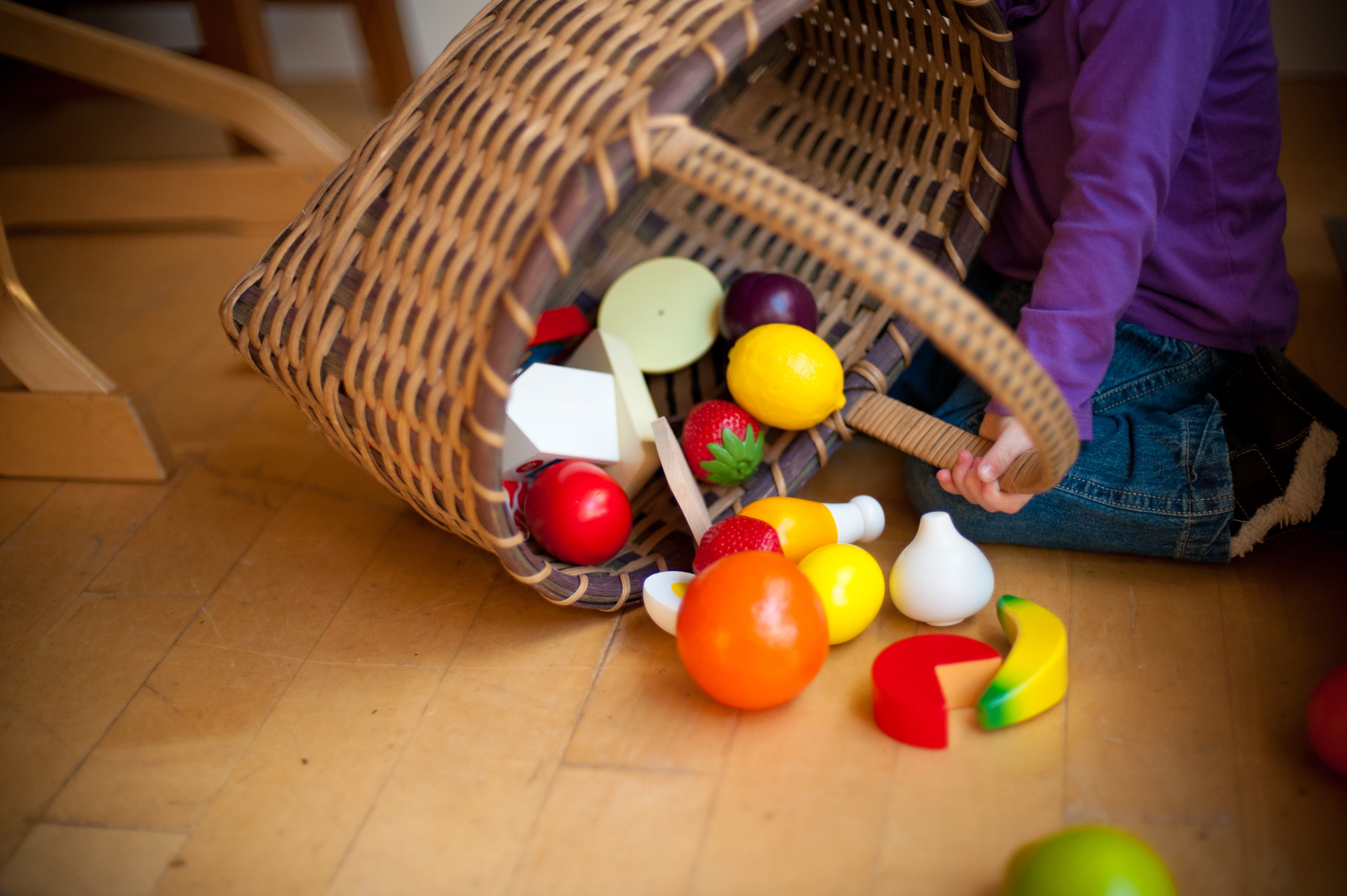
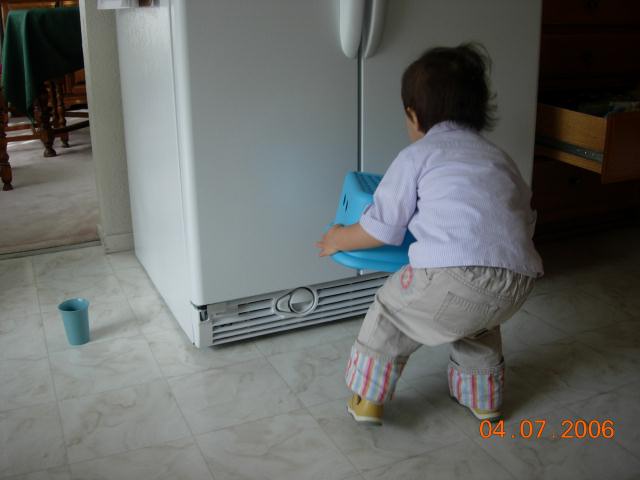
 When I worked in Montessori schools I was consistently amazed at how happy, engaged, and capable the kids in my class were. This got me thinking, “If kids can be this self-sufficient and joyful in a classroom, then why not at home too?!” I’ve noticed that young people often feel frustration at living in a an adult-centered world. I can remember feeling irritated about not being able to see over the counter, or out the car window (before the advent of booster seats).
 Consider the daily activities of the child in your home. What does he do and what would make his tasks easy to accomplish without asking for adult intervention? Is there a convenient place for him to hang his coat when he enters his home? (Tip: for very young children, a low hook is the easiest place for a jacket) Can he reach the sink easily for hand washing? Are there art activities, games, puzzles and books that are within easy reach? Does your child have comfortable furniture that fits his body?