
 This week I watched a fascinating video about baby led breastfeeding. It showed newborn, days old, and months old infants maneuvering themselves into a good nursing position with very little help from their mothers. Babies were deliberate in their movements bobbing and clearly searching for the nipple. And, when they found it on their own, many mothers reported that the latch was more comfortable than it had been when they had tried to help their babies find the nipple. What an incredible innate ability babies have!
Watching newborn infants lead the way at breastfeeding reminded me of one of the foundations of Maria Montessori’s groundbreaking educational philosophies; follow the child. Montessori asserted that children have an innate desire to learn and if we follow their lead, they will enjoy learning, retain more information, and continue to seek out even more knowledge.
But following the child doesn’t just work to help kids develop their intellect, it also helps them to find their power and leadership skills. When we allow children to be in charge and take the lead, they will often surprise us with their creativity and take us in directions we never expected.
For instance, kids who are feeling powerless and frustrated about it will often make up games than involve enslaving their brothers, sisters, parents, or other adults. It’s how they work out their frustrations about being a kid and how they learn to understand what it’s like to be in charge.
I’ve found that by allowing children to lead the way during some specifically designated child led play-time, kids become better able to cooperate and connect for the rest of the day.
I’ve even had experiences where I wasn’t sure why a child was grumpy or defiant and when I allowed the child to lead the play, I soon discovered what was really bothering them. Kids have an amazing ability to work out their emotional challenges through play, but they have to be allowed the time, space, and attention to do so effectively. Continue reading “Following the child: How child directed games and activities can create connection, learning, and mutual cooperation”
 Have you ever noticed that the way kids are around animals is like a microcosm of the way they are around everyone? When young people are happy, comfortable, and compassionate, they treat animals with kindness and care. And when they’re upset about something or feeling picked on and powerless, they often take out their aggressions on the family pet.
 We’ve all been there, it’s time to leave, your child wants to stay and continue to play, you’re tired and ready to go, a conflict is brewing. How we handle these difficult moments can be the difference between a fantastic day and a really rough one. And really, either one is available to us in a given moment, we just have to be able to access enough creativity to create the fun, laughter filled connection we’re wanting, rather than falling into a negativity trap.
 If you’re noticing that your kids are having a difficult time cooperating or listening or generally following your lead, first let me remind you, you’re not alone. Lots of parents go through this difficulty every day. I know it can be super frustrating when you’re just trying to get things done, or get to the store, or follow the rules, and your child is fighting you every step of the way.
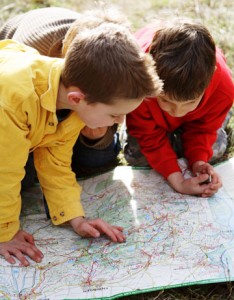 The “find it” game is a fun game for times when you don’t have a lot of attention to give but you want to help stimulate your child’s mind and have fun together even while you’re busy at other tasks.