
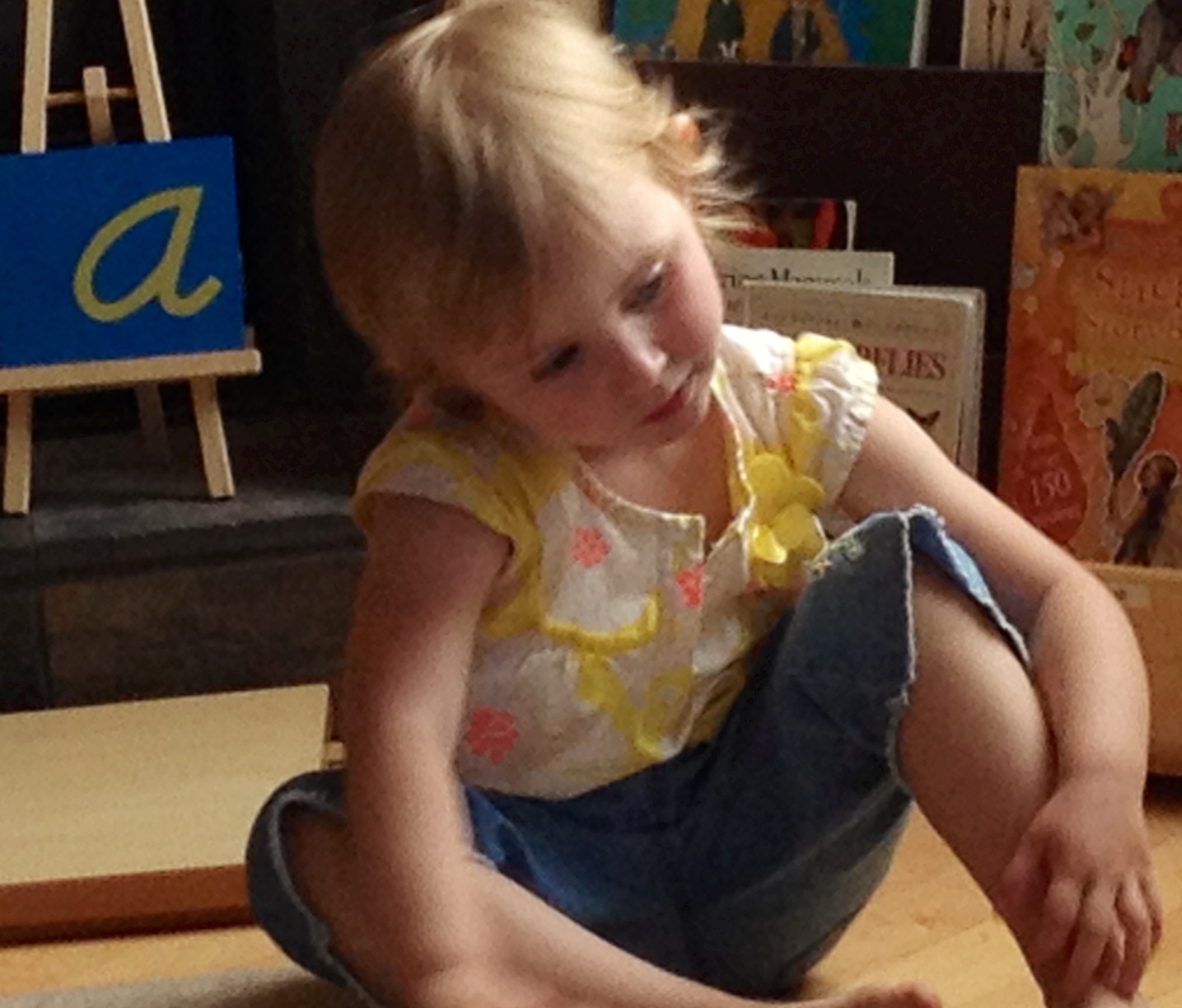
Emotion regulation is one of the biggest challenges children face. Heck, emotion regulation is one of the biggest challenges anybody faces! So how can we help kids learn to feel, express, and experience their emotions in a healthy and productive way? Joy and happiness are easy to encourage and enjoy. But when kids feel frustrated and angry, it can be difficult to hold space for them and help them ease back into a regulated state without minimizing or squashing their emotional expression.
So here are my 8 ways to help your child with anger:
1) Reflect—
“It sounds like you’re feeling frustrated…is that right?” or “It seems like you’re still upset about that, are you?” are great conversation openers. Instead of asking a young child how they’re feeling, try guessing his feelings and then check in to see if you’ve guessed correctly. This helps kids to more correctly identify their feelings when they’re in the midst of them since thinking of the right words can be difficult when we’re emotionally activated. But do be careful not to simply assume you know what’s going on. It’s important to check in and ask so that our kids know that we’re tuning in and curious, rather than forcing our own ideas about what’s going on upon them.
2) Listen—
Instead of offering advice or suggestions, first, simply listen. Rather than asking questions or telling stories about how much you understand what they’re going through, just breathe, relax, and feel your heart as you get down on his level, make eye contact, and listen to your child.
3) Empathize—
Focus on the feelings and their underlying needs. For instance, “Are you feeling frustrated because you need some space from your brother?” or “Are you feeling upset because you need my attention and I’ve been unavailable?” By noting the need underneath the feelings, you’re helping your child (and yourself!) to better understand what’s happening and how to help herself avoid a future incident.
For instance, when kids understand what they’re needing, they’re more likely to be able to ask for it! And when you are able to connect feelings to their underlying needs, you can help your child by prompting her to ask. “It sounds like you’re getting frustrated. What would help? A snack? Some time alone? How can you ask for what you’re wanting right now?”
4) Hold space—
Sometimes the greatest gift we can give to someone with big feelings is to simply witness them and hold space for them while they express themselves. Of course you do need to make sure the expression is safe for you and your child, but many times, simply being there and relaxing your own body can be a wonderful grounding rod for a child who’s feeling out of control. You don’t need to say anything at all, but if you feel the need, something simple like, “I’m here,” “I hear you,” or “It’s OK to feel angry (sad, upset)” is best.
5) Offer alternatives—
Hitting people is not OK, but if your child seems to desperately need to hit something, offering a healthy alternative can be incredibly helpful. Hitting a bed, couch, or pillow can be a good redirect for a child who has trouble controlling her body and lashes out at people. Ultimately, you want your child to be able to let go of her anger without needing to hit, but allowing her to hit an inanimate object can be a good interim step on the way toward a more advanced method of processing anger. The same goes for throwing, spitting, or any other unwanted behavior. By offering a healthy outlet, you can help your child learn self-control AND allow her to express her feelings through her body.
6) Reconnect—
Many children who experience an explosion of anger have feelings about the outburst afterward. Sometimes they feel scared, ashamed, or worried about what happened. Reconnecting after an outburst is a great way to remind your child that you love him no matter what. It’s also a time when he’s ready to hear your reassurances that it’s OK to have big feelings and stories about how you feel angry sometimes too. Tune in to your child’s favorite way to reconnect, whether it’s snuggling, physical play, or some other cherished family ritual. Also remember to respect your child’s time frame as some kids need some alone time to process what happened before they’ll be ready to reconnect with you.
7) Envision the future—
After the incident is over, talk with your child about how you might handle a future similar situation. During an upset, your child is unable to process any new information and will simply shut down further if you attempt to problem-solve or make suggestions about what to do differently next time.
But later, when the emotions have cooled, you can ask questions and offer ideas about how you can both handle the situation better next time. This helps kids get into the habit of envisioning a more appropriate way to deal with their upset. You might practice some breathing and relaxation techniques, or role-play a similar situation. Be sure to ask your child what she thinks would help and really listen to her suggestions. Children have an innate wisdom about how to help themselves.
8) Model what you want—
This one might be the most difficult to implement, but it’s also the most important. Children get their cues about how to behave from us. So if we aren’t able to stop ourselves from exploding in anger, we can hardly blame them when they do the same thing. If you’ve noticed that you’re having your own “tantrums” then it’s time to do some self-empathy and begin to catch your upset, and address it BEFORE you’re yelling or breaking things.
You can apply all of the above keys to your own exploration of healthy anger release. And remember, it’s OK to feel angry, it’s how we behave when we’re angry that makes the biggest impact on our relationships. If you feel that your own anger gets out of control at times, I highly recommend seeking professional help. A therapist or life-coach can help you learn how to deal with your own anger in healthy ways and then you can model that for your kids.
One more note on this. Humans have an incredible ability to empathize with others that is helped by special neurons called “mirror neurons.” Simply put, these mirror neurons are activated by the emotions in the people around us and cause us to feel what others are feeling. What this means for your parenting is that the more at peace you are, the more peaceful your children will be, and the more activated you feel, the more upset they will get.
So, if you notice your child getting upset, first try to calm yourself down and then help your child. And trust that if you’re able to maintain your composure, your child will be more likely to regain his composure sooner too.
I know that a lot of these suggestions are easier said than done, but I trust that your efforts in emotion regulation for both yourself and your child will pay off big time. Please don’t hesitate to post comments with thoughts, questions, or other suggestions. I appreciate your participation here!
And have a great week, Shelly

 Everybody gets upset and angry sometimes and when I was young I thought that having someone near me who was angry was just about the worst thing ever. But now that I’ve grown up and gotten in touch with my own anger, I actually think there are some really great benefits of anger! You can check out my blog: