Learning doesn’t just happen at school. You can stimulate your child’s mind at home with these simple activities:
Sometimes when kids seem to need a lot of extra attention, are bugging you constantly to watch TV and movies, or are generally in your face 24/7, they might actually be asking for more intellectual stimulation. When kids get bored, they turn to you for help, but they might not know exactly what they’re wanting.
If you think this might be what’s happening in your household, I’ll give you some ideas and examples of simple things you can do to stimulate your child’s mind, support more independence, and encourage self-directed activities.
First, consider your child’s favorite things. Does she love dinosaurs, dolls, horses, or art? Does he enjoy cooking or playing in the sandbox? These preferences can inform which kinds of activities your child will enjoy right now. Let’s say she’s into dinosaurs. She loves to play with her dinosaurs and sometimes corrects you when you call them by the wrong name.
So, how can you create an engaging, self-directed activity that will build on your child’s knowledge and encourage her to learn even more about dinosaurs?
If you have a book in which dinosaurs are classified into carnivores and herbivores, you can create a fun activity that she can do on her own. If you combine her basket of dinosaurs and the book about carnivores/herbivores, add a green piece of construction paper on which you will write “Herbivores” and a red piece of paper on which you will write, “Carnivores” you have a fun game! Just show her how to set out each piece of paper, choose a dinosaur from the basket, look in the book to check whether this dinosaur is a carnivore or a herbivore, put the dinosaur on the appropriate piece of paper and then choose another dinosaur!
When she has classified all of her dinosaurs she can come get you and you can discuss her reasoning. Be careful not to correct your child’s work at this point. The idea is to encourage self directed activity that is intellectually stimulating and if she thinks she’s going to get a “bad grade” at the end, there’s no motivation to do the activity again. However, if you sit with her and ask questions like, “Wow, I’m confused, I thought a stegosaurus was a carnivore, how did you know it’s an herbivore?” then she gets to teach you, and teaching is an even more stimulating way to learn something.
Another idea for a pre-reader is to make small paper signs that say things like door, mop, sink, book, ball, table. Put tape on the back of each and then invite your child to find the items and tape the signs on. Pretty soon, your child will begin to recognize words even before he’s able to read!
You can also adapt this activity by using a basket of miniature items and laminated cards with words on them for beginner readers. Easy words like dog, cat, and hat can be matched up with a tiny toy dog, cat, or hat. Kids love these types of matching games and they learn while they play!
To make this game easier for a child who’s not reading yet, create sets of cards. First, create two matching cards each with a sticker, picture or drawing of a cat and write the word cat below. Now cut the word off of the second set of cards. Now you have three sets of cards- a control set with pictures and words, a set with pictures only and a set with words. Show your child how to match up the control set with the other sets. Again, remember, it’s not important that they get it right, it’s just important that they’re engaged and having fun with it! I find that it helps to do this activity at a table or on a small rug on the floor so that their workspace is contained.
I hope that some of these ideas have sparked your creativity and your desire to stimulate your child’s mind. Please write to me with your thoughts, other ideas, questions, and stories about how these activities work for you!
Big hugs, Shelly

 It’s easy to become overprotective of kids, especially our own. It’s as if we can suddenly see 10 steps ahead and we KNOW that something horrible is about to happen. But what if our children don’t actually need our warnings, fears, and concerns in order to keep themselves safe?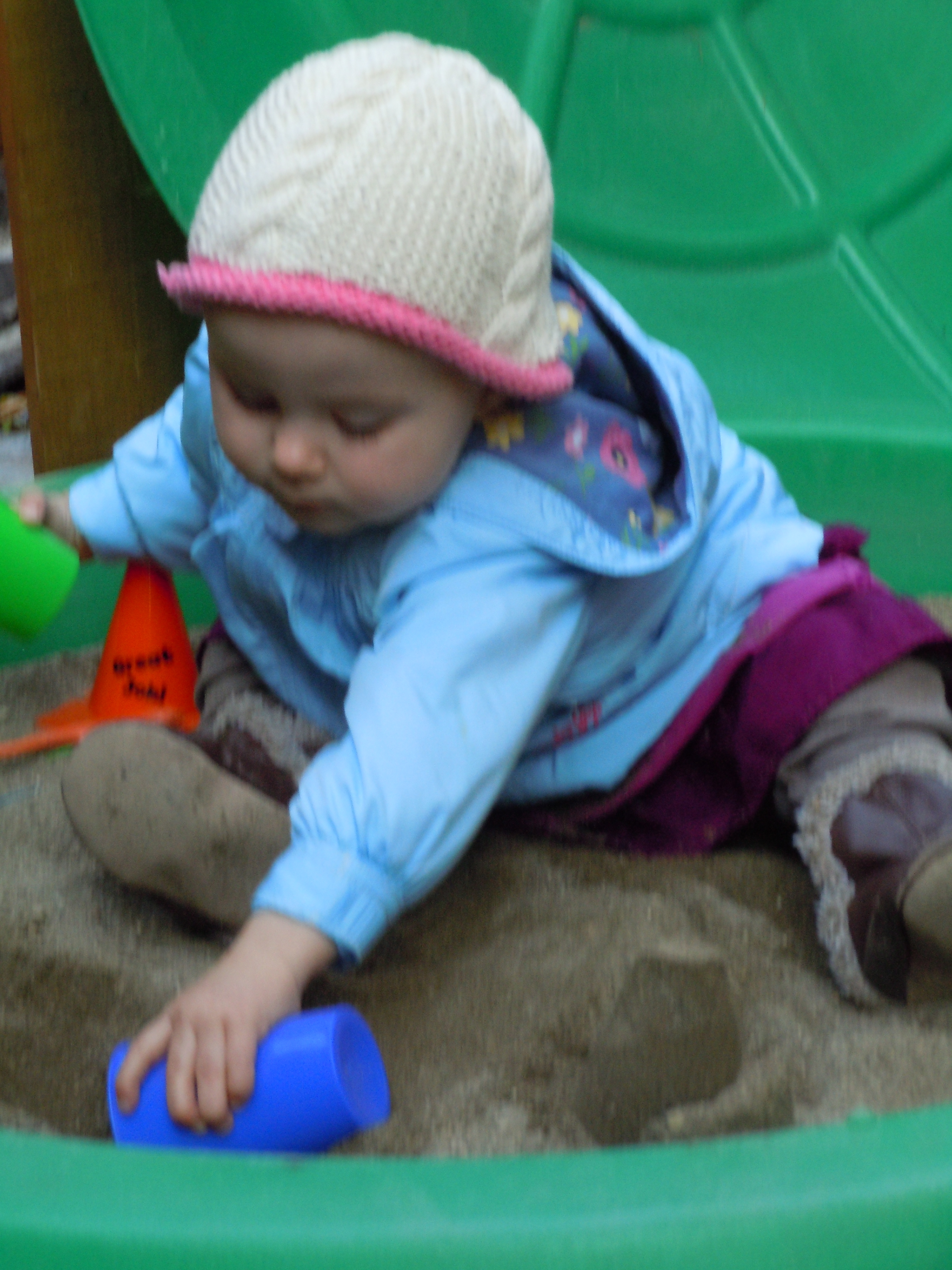
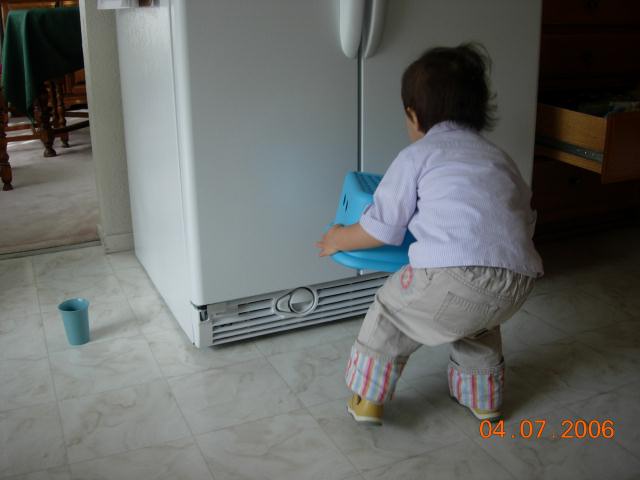
 When I worked in Montessori schools I was consistently amazed at how happy, engaged, and capable the kids in my class were. This got me thinking, “If kids can be this self-sufficient and joyful in a classroom, then why not at home too?!” I’ve noticed that young people often feel frustration at living in a an adult-centered world. I can remember feeling irritated about not being able to see over the counter, or out the car window (before the advent of booster seats).
 Consider the daily activities of the child in your home. What does he do and what would make his tasks easy to accomplish without asking for adult intervention? Is there a convenient place for him to hang his coat when he enters his home? (Tip: for very young children, a low hook is the easiest place for a jacket) Can he reach the sink easily for hand washing? Are there art activities, games, puzzles and books that are within easy reach? Does your child have comfortable furniture that fits his body?