
How to Quickly and Easily Reduce Screen Time

We’ve all been hearing about the ill effects of screen time on developing brains and each of us have a slightly different way of dealing with the information. Some people argue that the research isn’t in yet (there is actually quite a bit of research on this topic and most of it is quite disturbing), others are convinced that it couldn’t be nearly as harmful as the researchers purport. Some parents claim it’s their only break, and they really really need a break, and trust me, I hear you on that one.

But the truth is that we humans didn’t evolve to sit still for hours watching a screen, and when we do so as young children, it really does negatively impact our brain development. Attention span goes down, emotional regulation and control is negatively affected, self-control and the ability to plan ahead are impacted and even if we don’t want to admit it, we all know that our kids are not their best selves after a few hours of watching television. A lot of the current research is showing that it may not necessarily be the screens themselves, or even the content of shows, rather it’s the lack of social interaction that most negatively impacts kids.

Because of all of this, my son’s preschool has recommended that the students attempt to have a “screen free April.” At first I thought, “There is no way we can make it the whole month without a single show.” But then I heard about the incentive. The head of school has offered us $$ off our May tuition if we can make it through the entire month without using screens with your 3 year old.

Once I knew about the incentive, I was motivated. And as it turns out, my motivation was all we really needed to reduce our kids’ screen time drastically. I’m embarrassed to admit that my kids have very easily transitioned and it has actually been harder for we adults to give up our “free time” than it is for the kids to adjust to zero screen time.

Zero screen time?!!

To be fair, we already had a maximum of 2 hours per day and they typically didn’t watch that much even before the challenge, but I was amazed at how quickly both of our kids adjusted to the zero screen time challenge. After just a few days, they both completely stopped asking for shows!

Last weekend my daughter came down with a stomach bug and I nearly caved. Being sick with a fever and upset stomach without the option to zone out in front of the TV just sounds like torture to me, but after asking my husband and friends for some support, we decided to tough it out and I am so glad we did!

On day 15 and my 7-year-old daughter announced, “It’s a lot easier to live without screen time than I thought it would be!” OK, so here are the 5 simple things we’ve done differently during screen free April. I am surprised at how little effort these alternatives are actually requiring and more than a little bit embarrassed to admit that I’ve been the one driving my kids to the screen, even though I know full well that it’s not good for their development.

#1 Books on CD from our local library-

I ran over to the library and picked up about 10 chapter books on CD and this has been the #1 favorite screen time alternative for both my 7 and 3 year old. The two of them will spend hours together just listening and drawing or coloring. It’s really sweet to see them connecting in this way. Podcasts could serve a similar purpose but we prefer the low-tech option.

For extra credit, ask your kids about the plot to ensure that they really understand the story line or ask specific questions about the book, characters, or action to help them gain a deeper comprehension of the content. Historical fiction has started some very interesting conversations at our house this month!


#2 More time outside

More time in the back yard, more parks, and more walks by the river. This one does take a little bit more effort and planning, but the positive impacts of nature on our physiology greatly outweigh the hassle it is to actually get outside. We’re going to make an effort to keep this one going even after we re-introduce screen time.

Some highlights so far have been the nature art that my kids and I created at the base of one of our favorite trees, placing bird feed in our back yard and then watching the birds from inside with binoculars and discussing them, creating a natural shelter for our garden gnome, and hearing the kids talk excitedly about how they walked “all the way” to the high school with Grandpa (it’s only about 5 blocks from our house, but they had never done it before!).

#3 Art

Cover the kitchen table with newspaper, add a few sheets of paper, some markers, crayons, colored pencils, or paint and then sit back and supervise your children’s creative genius at work! Or jump in and create with them. Art is hugely therapeutic, so this one is going on the “to be continued even after April” list. The only problem we’ve had with this one is that they don’t want it to end and eventually we need the table back for dinner!

A friend of mine also suggested playing with modeling clay and I am constantly amazed at how long my children will sit and play with their clay. They trade colors with each other, help each other, and enjoy destroying their creations almost as much as making them! If your child is still putting things into her mouth, you may want to use play dough instead. While the clean up is a bit more intensive with play dough, toddlers sure do love the texture and feel of it, and it helps them develop manual muscle control which prepares the hand for writing later.

#4 Board Games

I’ll admit, I really don’t enjoy board games, I’m more of a puzzle person, but since we’ve gone screen free I have seen the grandparents bring out more board games, dominoes, the marble track, and other toys and games that engage the imagination. I’m always amazed at how much my kids enjoy winning a board game. We do have a few cooperative board games that I enjoy a bit more than the competitive ones. Hoot Owl Hoot is a big favorite of my 3 year old’s.


#5 Imaginitive play

The ability to play imaginary games is quickly becoming a lost art of childhood due to the overuse of screens and technology. Unfortunately, this skill is incredibly important to proper cognitive development and the development of the prefrontal cortex. Self-control, planning, and many of our higher cognitive functions rely on our ability to imagine and plan for multiple possible scenarios. This is part of the reason that the storyline curriculum is so successful.

Since we’ve cut out screens, my son often asks, “Will you play with me?” and then happily engages in whatever type of play we’re up for. Playing catch has been a big hit, but I’ve been trying to engage his imagination more and I can already see a positive result! After a couple of weeks of playing a few different imaginary games I now hear him playing by himself more often. He describes the situation to his stuffed animals, talks in different voices, and creates elaborate story lines.

I am feeling so grateful that my son’s Montessori preschool has challenged us to a screen free April! Without the challenge (and the incentive) I wouldn’t have realized how unnecessary much of the screen time was and how much more we’re connecting with each other, now that we’ve cut it out. This is going to give me much more of a backbone when it comes to saying no to screen time in the future too. Now that we’ve developed so many great alternatives, and we’ve broken the habit, I’m guessing that my kids will be asking much less often and watching considerably less.

Pre-parenting 101 Agile Parent Podcast!

Hey there! I recently had a lovely conversation/interview with John and Jahaira about their plans to get pregnant and become parents. We talked about early childhood development, sustaining a nurturing relationship with a partner before baby arrives, parent/child dynamics, mindset, and cultivating critical thinking in very young children. Also, we had fun and discussed how we might handle it if we were to see a child being spanked in a public place. Their podcast will be ongoing, so I hope you’ll check it out!

You can listen on itunes here:

https://itunes.apple.com/us/podcast/pre-parenting-101-shelly-birger/id952485811?i=334079282&mt=2

or on Sound Cloud here:

https://soundcloud.com/agileparents/pre-parenting-101-with-shelly-birger-phillips

Or you can go directly to John and Jahaira’s website and listen here:

http://www.agileparents.com/1/

Have a great week! Warmly, Shelly


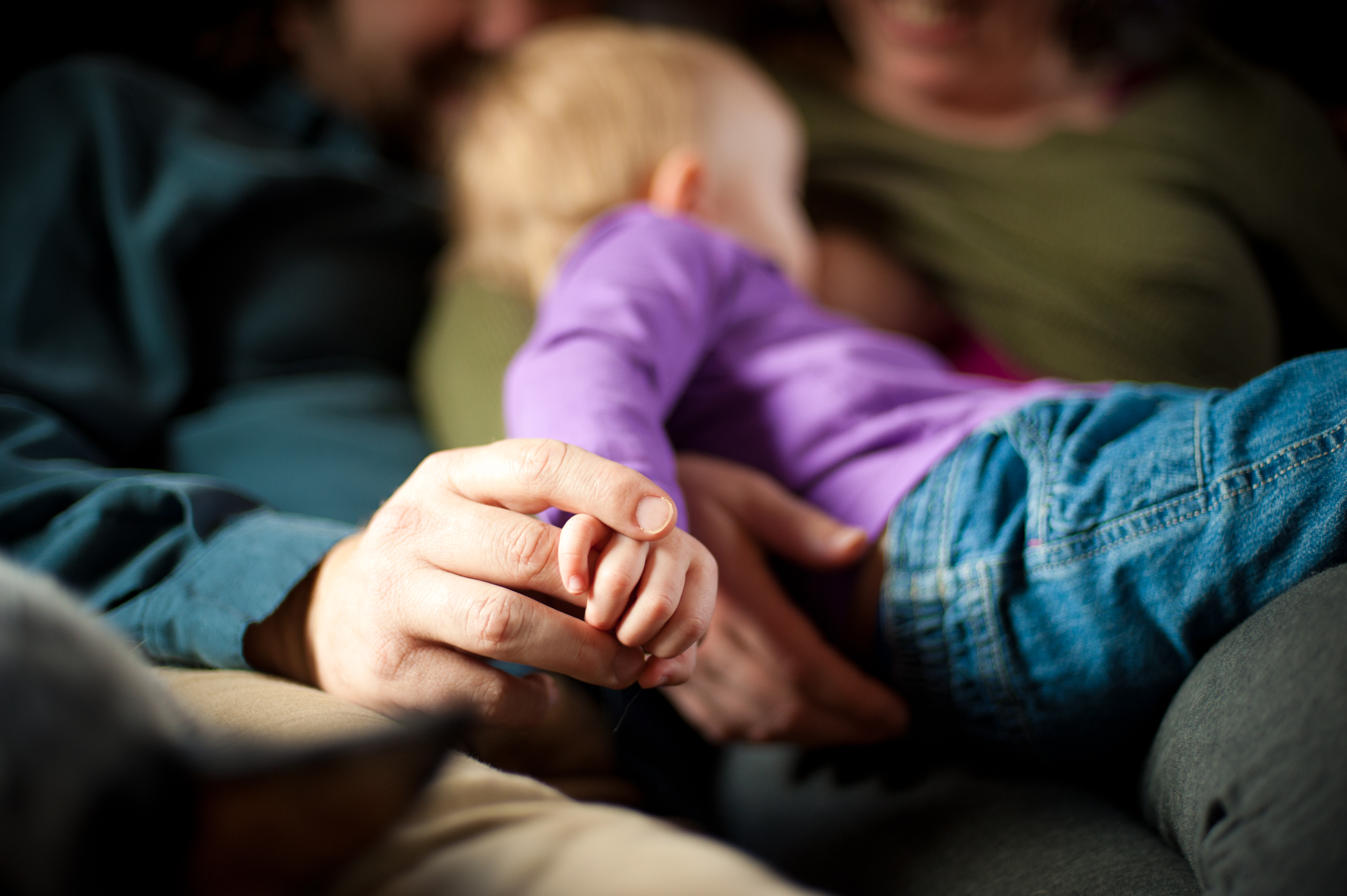
8 Breastfeeding Myths That Make Me Want to Scream

Happy Breastfeeding Awareness month everybody! In honor of this important topic, I’d like to share some of the breastfeeding myths that make me want to shake people and yell, “What?! No!!!! That’s just not true!”

1)   Breastfeeding is sexual

Um, excuse me but while our culture has sexualized breasts, their original and primary function is to FEED BABIES.  Yes, breastfeeding feels good, but it’s definitely not sexual, and nursing in public is certainly not displaying our breasts to be ogled or even an overt attempt to make you uncomfortable.

If my baby needs to eat, I will feed her. Period. It’s not about you. It’s about meeting my baby’s needs as best I can so that she can learn to trust that the world is a benevolent place and know on a fundamental level that she is deeply cared for. I’m not trying to make you uncomfortable by nursing in public, but I will do it and hope that others will too until it just becomes normal and no longer makes people cringe, blush, or turn away.

2)   Nursing in public is immodest

OK, so what about this group of people who claim that breastfeeding in public is fine, as long as it’s hidden under a cover or in a bathroom stall. I’m sorry but I don’t like eating with a blanket over my head and neither does my baby. And don’t try pulling that “nipples are obscene” crap either, men’s nipples are shown ALL THE TIME and nobody makes a fuss. Get over it.

3)   Formula supplementation is necessary

The truth is that formula supplementation can lead to a reduction in milk supply which leads to more formula supplementation and before you know it and despite your best intentions, you end up giving up on nursing entirely.

Yes, there are some instances where babies need formula supplementation, like when they are unable to digest protein and need medical intervention. But what bothers me is how often nurses and hospital staff freak parents out with percentages of weight loss and then push formula supplementation on them in the early days of their baby’s life when the nursing relationship is still so new and newly developing.

My milk didn’t come in until day 9 and the doctors were concerned about my baby losing so much weight. So I did supplement, but I did it with donated breast milk using a tube so that my daughter was sucking at the breast while she received the donated milk. That helped stimulate my milk production and gave her the benefits of breast milk, even before mine came in.

I guess I just want new moms to know that there are other options and they don’t HAVE to use formula if they don’t want to. And I think hospital staff tend to downplay the potential long term effects on your milk supply, so please consider the decision carefully before you decide to supplement with formula.

4)   Toddlers and preschoolers are too old to nurse

Oh this one really pisses me off. Anthropologically, it’s believed that humans have nursed until ages 3-5yo for most of human evolution. We nurse until we’re ready to give it up, until our needs for comfort transform into hugs and snuggles, and until most of our caloric needs are met by solid foods. The age at which these milestones happen can be different for different kids. And sure, the mom also has a say in how long she’s willing or able to nurse. But this idea that once they’re talking they’re too old for their “milky” is just ridiculous. That’s a personal decision to be made between mother and child. It’s actually not anyone else’s business, so take those judgments elsewhere please.

5)   You should pump so that others can feed your baby

Excuse me but someone else’s desire to feed my baby is not a good enough reason for me to attach myself to a machine for half an hour to get a couple of ounces of milk out. If you like pumping, more power to you Mama, but for me, it was a hassle, I never got much milk, and I MUCH preferred the experience of snuggling up with my baby to hanging out with that machine.

I worked hard to arrange my life so that I would be able to work from home, nurse my baby for 2 years, and spend time bonding with her. Yes, it required a big commitment to be available to her for about half an hour AT LEAST every 3 hours (and often for shorter nursing sessions much more frequently), for 2 years but it worked well for us. I guess I just want you to know that if you don’t want to pump and store extra milk so that others can feed your baby, you don’t have to. Even though you might get some pressure to do so, you should only do what works for you and your baby. Everyone else will adjust, and before you know it your sweet baby will be weaned and on to new adventures.

6)   Breastfeeding takes too much effort

Unfortunately, our society is not based on what’s best for children and families. Instead, the almighty dollar seems to determine our fate far more than we’d like. But there are some things that are worth pushing ourselves out of our comfort zones and brainstorming new solutions.

Yes, nursing in public can be uncomfortable, especially when you get dirty looks or nasty comments from passers by. Yes, you’re required to be near your baby more frequently and can only have small windows of time away from him. But have you SEEN all the new studies showing what a huge benefit breastmilk is to your baby? Better immunity, better emotional security, and even a higher IQ? I think breasfeeding is well worth the effort.

Oh, and when I see parents shushing their screaming infants while trying to mix powder and water as quickly as humanly possible, I think, “Wow! That looks like a lot of effort. All I have to do is pull down my shirt and I have instant access to the most nutritious food my baby could want!”

7)    Breastfeeding doesn’t hurt

It’s a nice idea and all, and maybe for some women breastfeeding never hurts a bit. But most of the women I talked to said it hurt a LOT for the first couple of weeks and then settled down after that. Unfortunately for me, the pain didn’t cease and since all I heard was, “it shouldn’t hurt” I didn’t realize that I had Raynaud’s phenomenon of the nipple until my daughter was 9 months old.

Although it was once considered rare, new studies estimate that up to 20% of women may suffer from Raynaud’s, many of whom are misdiagnosed with thrush, and given antibiotics unnecessarily. Often, not understanding the cause of their pain, women stop breastfeeding because it’s so incredibly painful to continue. But there are herbal solutions (like red pepper) and there’s a medication that can bring relief of these symptoms and help moms continue to breastfeed, even if they have Raynaud’s.

8)   Advocating for breastfeeding means I think you’re a bad parent if you formula feed

I do want to acknowledge the fact that not everyone is able to breastfeed. If you’ve tried hard to nurse your baby and still weren’t able to breastfeed, please know that I support and appreciate your efforts. And I don’t think your baby’s immune system will be drastically compromised or that formula will make your baby stupid.

Your care and attention have a far greater impact than the milk your baby consumes. There’s no shame in being unable to breastfeed. I just wish our society was set up in such a way that we could help each other out, nurse each other’s babies and tell formula companies to go take a hike.

So what are the breastfeeding myths that most bother you? I would love to learn even more about breastfeeding this week, so don’t be shy, please share your thoughts, ideas, articles and resources with the rest of us by leaving a comment.

And have a wonderful week, Shelly


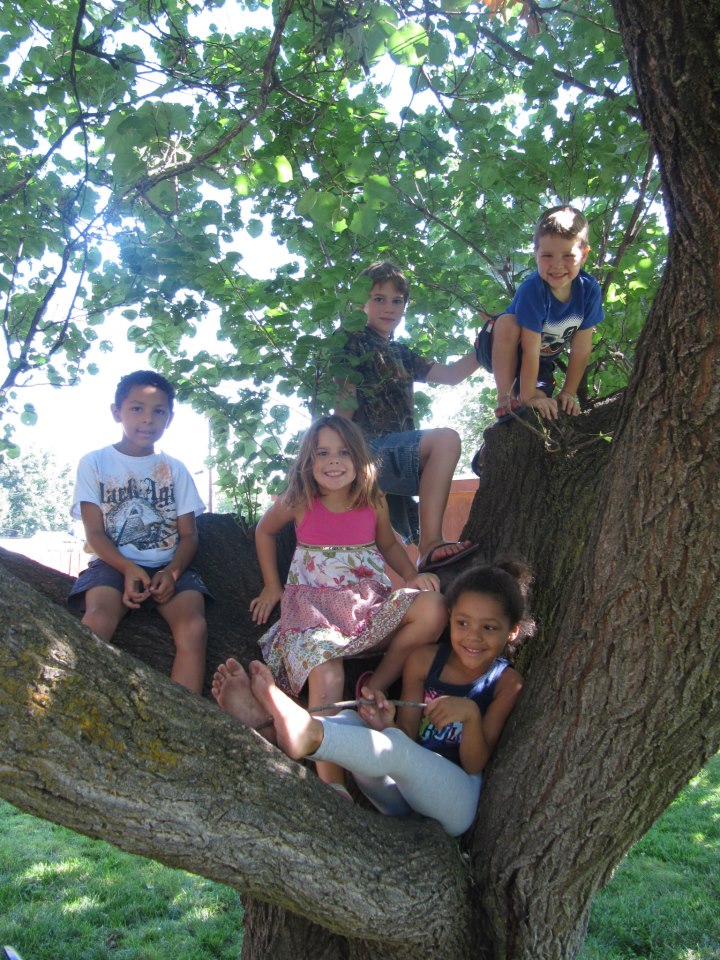
5 Reasons to Encourage Your Kid to Climb a Tree

There are lots of reasons to encourage kids to climb trees, but many of them can begin to seem unimportant when faced with the possibility of our beloved child falling out of one. Besides the fact that kids just love it, here are my top five reasons, backed by science, to support tree climbing despite its inherent risks.

1)   Being Outside Reduces Stress

Many studies over the past 20 years have shown that spending time in nature reduces cortisol levels, lowers blood pressure, increases resilience, and supports cognitive function. And climbing trees is a great way to help kids engage in an outside activity that is fun and challenging.

By encouraging this type of outdoor play and discovery, you’re putting your child into an environment that she has evolved to enjoy and appreciate.

2)   Connecting With Nature Is Good For Us and the Planet

Helping your child develop a personal relationship with nature has lots of benefits both to your child and to the environment. We humans are funny. When we care about something deeply, we’ll work incredibly hard to preserve it. So, by helping your child connect with nature, he is better off because of all of the benefits mentioned above and the environment is better off because your child will work hard to preserve the nature he loves so dearly.

Working with children showed me that when kids understand the direct implications of their impact on the environment, they’re motivated to reduce their carbon footprint and are easily able to change their habits to live in more harmony with nature. For instance, after learning about landfills, many children become recycling activists in their homes and schools. And after a trip to a local water treatment facility where we got to engage in hands on demonstrations, I saw a marked improvement in water conservation efforts and interest in overall watershed health.

3)   Climbing Trees is Good for Physical Development

As I began to write this article I spoke to a local 7 year-old boy. I asked him, “what’s your favorite thing about climbing trees?” and he responded immediately, “Climbing!” Kids love the challenge of deciding where to put their feet and hands, and the exhilaration of getting high up into a tree. There’s a physical challenge and a huge sense of accomplishment that goes along with tree climbing. I wish more kids were encouraged to climb trees.

Developing hand/eye coordination, muscle strength, and the ability to assess their own safety are all skills that benefit kids. And they’re the same skills that are often found lacking in today’s screen focused world.

4)   Taking Risks Helps Kids Learn Their Strengths and Limitations

By challenging themselves physically, kids learn their strengths and limitations quickly. They know when it’s easy, when it’s hard, and when they start to feel unsafe. It’s important for children to have the experience of pushing themselves and knowing when to step back and play it safe. You may be surprised to find that children have quite a strong sense of self-preservation when they’re allowed to exercise it.

Yes, this does require us to step back, stop saying, “be careful!” and allow our kids to explore without us hovering and monitoring their every move. I know it can be difficult, and if you really have a tough time with it, I’d recommend sending the kids out with their dad (or other masculine role model). I’ve found that in general dads are much better at letting kids take physical risks than moms are. As much as super child safe playground like those made by sites like https://www.softsurfaces.co.uk/ are good for the really little ones, there comes a time where the little ones need to grow up and learn to make mistakes and scrape their elbows and knees a little.

Even so, it’s still important to develop this ability for yourself, mom. Eventually we’re going to have teenagers on our hands and if we don’t allow our kids to take calculated risks now, they won’t be prepared for the life and death decisions they’ll be required to make once drinking and driving enter into the picture.

5)   Spending Time in Nature Encourages Scientific Discovery

Are your kids curious about birds, bees, squirrels, and raccoons? Spending time outside climbing trees is a wonderful way to encourage scientific interests. Maybe they’ll discover a next and get to watch baby birds being fed by their parents. Or perhaps they’ll discover a new species of beetle, never before catalogued.

By encouraging kids to climb trees, you’re really encouraging them to explore the natural world in all it’s glory. How does a plant grow? Where does a tree get its nutrients? What does decomposition look like? And what happens if a bird’s nest is disturbed?

Children are natural scientists and will create experiments, hypotheses, and conclusions about everything in life. Why not encourage them to conduct some of their research in the canopy?

So, let’s all go out and climb a tree! And let’s make sure our kids get the opportunity to spend time outdoors, climbing trees, playing, making up songs and stories, coming up with wild theories, and just forging a relationship with this wonderful, wild, beautiful world we live in.

Have a great week, Shelly

The Secret to Improving Your Child’s Attention Span

The way to help children improve their attention span is counter-intuitive. You might think that giving children tasks that require their continued attention would help. Or maybe challenging them to accomplish long and complex sequences will help memory and cognition, improving attention span. But the current research is showing something counter to what we might think.

In fact, research shows that allowing kids to have unstructured playtime can actually improve their ability to focus on a task. In the book “Nurture Shock” by Po Bronson I learned about a kindergarten program which encourages children to choose a character to play in an imaginary play scenario that lasts for several hours. Researchers found that the children who were able to remain in character did better on later academic tests than children who were taught their letters and numbers instead of engaging in imaginary play.

The real take away here is that imaginary play and unstructured playtime are tools that children use to learn real life skills that will benefit them forever. It might seem like “child’s play” to us, but to them, this type of play involves acting out potential scenarios, doing scientific experiments, and using critical thinking skills.

So what’s the secret to improving your child’s attention span?

Offering them big chunks of unstructured time to explore their own interests and engage in imaginary play.

Our daughter Julia wakes up at about 6:30am every day of the week and lately I’ve been helping her get to the bathroom and then climbing back into bed with my husband on the weekends. For several weekends in a row Julia has happily played by herself and allowed us to sleep in.

One morning she found the box of stickers and this is what she did:

The Secret to Improving Your Child's Attention Span

DSCN2130


I was impressed and here’s why. Not only did she use her fine motor skills to get each of the tiny stickers off of the sticker paper and on to her robe independently. She focused on this task for well over an hour without interruption. She put over a hundred stickers on her robe one by one. And she’s not yet three years old. I think we’re on our way to a very well developed attention span!

The following weekend she impressed me even more. Here’s what she did while we slept:


DSCN2141

DSCN2140

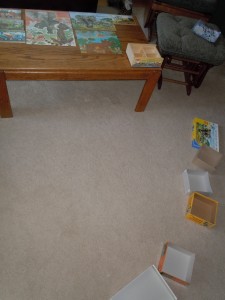
I love the way that she displayed her finished puzzles and the fact that she also lined the boxes up on the floor was interesting too. And just for the record, this is four 12 piece puzzles, two 24 piece puzzles and a 35 piece puzzle. And she didn’t wake us up for help even once.

So what does your child like to do when given uninterrupted alone time?

When Julia was smaller she would spend up to an hour looking at books in her bedroom. Sure there was a huge pile of books on the floor afterward, but she had entertained herself for an hour…with books! And we did work on putting them away together, so now, she happily puts away most anything she plays with.

Just a quick disclaimer here, safety is very important any time you’re allowing young children to have time alone without direct supervision.

Please make sure that the environment is free of hazards whenever you leave your child alone.

There’s one more secret to helping your child expand his attention span, remembering not to interrupt his work. Again, while it might just seem like meaningless play to us, children are engaged in the work of becoming the adults they hope to be. When we remember to respect their time and attention by refusing to interrupt when they’re engaged or by simply waiting for them to approach us, we’re helping them learn more independence and encouraging their natural urge to go deeply into the subject at hand.

If every time a child becomes engrossed in something he gets interrupted and asked to do something else instead, he’s not as likely to develop a deep and long lasting desire to dive in to his own interests. Instead, he may become overly attuned to the needs and desires of the people around him, believing that it’s more important to do what others require of us than it is to develop our own driving interests.

Oh, one more thing I forgot to mention, screen time does NOT count as independent play. In fact, excessive screen time has been linked to shorter attention spans and an inability to focus on real world tasks. So, if you’re in the habit of using the screen to get some time to yourself, I hope you’ll consider some other options.

So this week your challenge, if you choose to accept it, is to allow your kids to have some extra alone time, unstructured playtime, and wide swaths of time when they’re not interrupted. You might be as surprised by the results as I was when I woke up to that table full of puzzles.

Have a great week, Shelly