Why I Started A Montessori Charter School

When I moved to Bend, Oregon I was surprised to learn that while there were several thriving Montessori preschool programs, there were no Montessori elementary programs at all! As a former assistant teacher in a Montessori lower elementary class (1st-3rd grade) I knew that the freedom to move about the classroom and to focus on areas of interest were crucial to support deep learning. I witnessed students diving deeply into their interests and I saw the head teacher use student interests to draw them in to other subjects. Overall I just loved the sense of freedom and responsibility that the students experience in a Montessori elementary classroom. And the work they produced was impressive and often far above grade level.

So, when my daughter entered preschool and was thriving in a Montessori program, I knew that I would want her to continue in Montessori. It’s exceptionally important to me that she be treated as a whole human being and that she continue to develop her emotion regulation, conflict resolution, and other “soft skills” along with her academic work.

Educating the whole child

One of the things I love about Montessori is that the teacher is not focused on how much information he or she can present to my child, rather, Montessori teachers are focused on helping my child develop her internal motivation to learn and grow and take responsibility for her own learning. This attitude, along with the meticulously designed materials which captivate a child’s interest, encourages exploration and provides opportunities to learn a wide variety of information and practical life skills.

I knew I couldn’t afford to pay tuition all the way through middle school and I had heard that a few of the Montessori preschools had tried to get a tuition based elementary program off the ground, but they had trouble retaining older students since our public schools in Bend are so good. So some friends and I decided that a public, tuition free Montessori charter school would best serve our community and our own kids.

Montessori in the public sector

After having worked in several private Montessori schools, one thing I noticed was that while the Montessori method was initially developed to help low income and mentally challenged students, it is now most accessible to families with the means to pay tuition. I was saddened to learn that the very students Maria Montessori most wanted to help were missing out on her incredible teaching methods, mostly because the materials are expensive and public Montessori schools are still burgeoning in the US. I was happy to learn that many of the public schools in France are Montessori schools!

The process of starting a charter school was not as easy as I had anticipated! It took us several rounds of denials before we were finally approved by our local school board to open a Montessori charter school. Luckily, with the help of many volunteers and the receipt of the Oregon Department of Education’s Planning grant, we were finally able to open our doors in the fall of 2017!

Other options just aren’t Montessori

During my daughter’s first grade year, we were forced to try a public magnet school since there were no Montessori options. We chose a school with a democratic philosophy, mixed ages, and some freedom to work outside of grade level. But because it was not a Montessori school, my daughter found it loud, chaotic, and she chaffed at her lack of freedom to explore her interests. She often complained that they didn’t give her enough time to read and that she was forced to do what everyone else was doing. I also didn’t like hearing about frequent screen time (mostly educational) and she came home with candy as a reward on quite a few occasions.

Growth mindset and intrinsic motivation

In a Montessori classroom, we’re focused on developing the internal motivation of the student, so letter grades, rewards, and frequent external praise are not used. Instead, we expect a child to gain a sense of accomplishment by working hard and completing a large project and we all listen as they present their research findings to the class during circle time. This gives students the opportunity to practice their public speaking skills as they share what they’ve learned with their classmates.

I could go on and on about all of the wonderful benefits of a Montessori elementary education, but for now I’ll just share that the perseverance and grit that was required to get this school off the ground has forever changed me. I will never again shy away from a large project because it seems too big, takes too long, or because we’ve hit a roadblock. If there’s one lesson my daughter and I have both learned through this process, it’s that when you’re determined to create something, you can absolutely succeed as long as you don’t quit, find helpers, and keep moving forward no matter what obstacles you encounter. Our Montessori charter school is now serving over 100 students and with plans to grow every year, I know that this school is already making a big difference in the world. So, if there’s something you’re passionate about creating, don’t shy away from your dreams, go out there and create it! You’ll be so glad you did.

This article was also published in the Rebel Priestess Magazine
I’m Back! Here’s What I’ve Been Up To (Starting a Montessori charter school)

It’s been YEARS since I’ve actively blogged and you might have been wondering why you haven’t gotten any posts from Awake Parent for a while.

After my miscarriage I did get pregnant again and while I was pregnant, my husband’s office manager at his Chiropractic office left. He had wanted us to work together for years and I had resisted, since I loved working from home so much. But in 2013, I agreed to become the new Business Manager at Heartstone Family Chiropractic.

Now I know more than I ever wanted to know about medical insurance billing

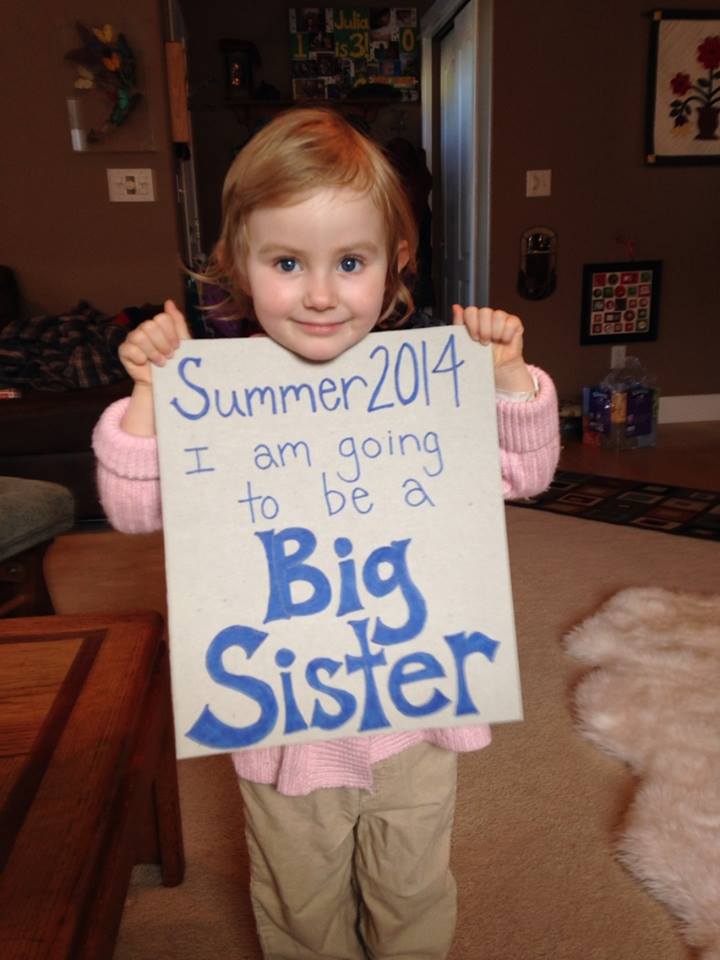
It was a bit of learning curve, but I figured it all out and then in 2014, our son was born! Our daughter was absolutely thriving in her Montessori preschool but there were ZERO Montessori elementary programs available in Bend, OR. Even if there had been a private option for Montessori elementary, I concluded that it would cost us over $100,000 to send both of our kids through Montessori preschool and elementary. With free (yes I do pay my taxes) public school as an option, it just didn’t make sense to pay so much for elementary school when we really should be saving for college.

So, some friends and I decided to start a tuition free, publicly funded Montessori charter school! We formed the entity “Desert Sky Montessori” in the fall of 2014 and got to work on the application to our local school district. I’ll write more about this process in future posts, but needless to say, it took a lot longer and the process was far more involved that I originally anticipated. It took us three separate applications, a bunch of fundraising, three years, and many many volunteer hours to reach our goal.

I was the Desert Sky Montessori Board President for the entire process of our start up. So last year at this time I was frantically looking for space for our newly approved school. After more than three years of volunteer work, on my 40th birthday, I finally found out that my daughter would have a guaranteed spot in the school! We also received a $100,000 Planning grant from the Oregon Department of Education.

Our contract with our school district said that we had to sign a lease on a space by May 1st in order to open our doors in the fall of 2017. Also, none of the grant funds we had received could be used on facilities. Miracles ensued and I signed the lease on April 28th. I was so happy and relieved that we had finally found a space! Now we just had to remodel it, hire teachers, purchase furniture and materials, and get ready to welcome our students.

I started the first tuition free Montessori charter school in Central Oregon!!!

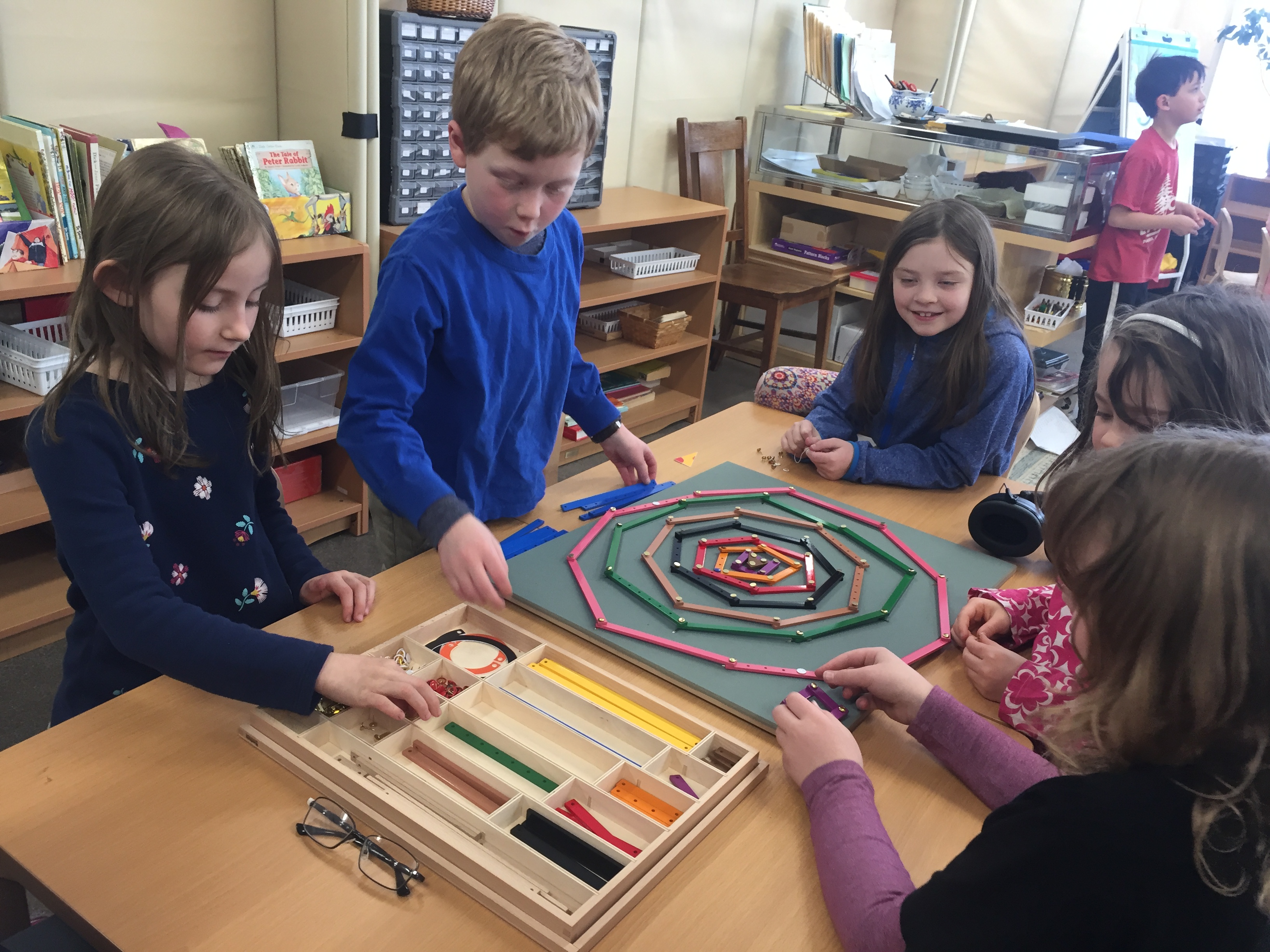
In September of 2017 we opened our school to over 100 students and my daughter began 2nd grade in her lower elementary (1st-3rd grade) classroom. Here’s a photo of my daughter and a few of her classmates after a recent small group lesson on polygons.

Montessori charter school lower elementary polygon lesson

So I guess my point is that I’ve been a bit busy while I’ve been away! But now I’m ready to come back, share even more information about conscious parenting, child development, Montessori, and my own parenting journey. But here’s the thing, my blog is going to be a bit different from now on and I wanted to give you a heads up.

No more Origami, this is me, deal with it

I turned 40 last March and there was something extremely powerful about turning 40 years old and opening a charter school that has changed me in some fundamental ways. In the past I cared a whole lot about pleasing others and making sure people like me. But when I turned 40 I found that I no longer cared as much about folding myself into Origami shapes just to please someone else. I felt more boldly myself. I didn’t need to modify my language or behavior to ensure that others felt comfortable.

So you can expect my future blogs to be more raw and real. There will likely be some cursing. I’ve learned a lot from parenting two kids, instead of just one, and from trying things that worked with #1 that absolutely flopped with #2. I’m definitely more bold but also less judgmental of others. I’ve found my grit too, so little challenges just don’t throw me off as much as they used to. I’m persistent and determined to do the things that really matter to me, and I don’t care as much about the rest.

There will be advertising

The other change you’ll notice is that I will begin some advertising on my site. I will only advertise products that I believe in or personally recommend. I may get some commissions (I hope!). And I will definitely be adding some information about one of my new loves, Young Living essential oils and products.

I understand that some folks will be upset by these changes, and that’s OK. If you’re irritated by my advertising or annoyed at how much I love Montessori education or my MLM essential oils, you’re welcome to unsubscribe. But I sure do hope you’ll stick around because I have so much great information, advice, and tons of personal stories to share with you! I’ve missed writing regularly and I’m very excited to get back to it!

I’m also considering recording some video blogs and doing some online classes. My coaching practice is reviving too. If these are things you’re interested in, please let me know. And as always, if there’s a particular topic you’re hoping I’ll write about, please share! I love to address specific issues that are happening right now. Thanks for being here and I’m excited about what’s next!

Pre-parenting 101 Agile Parent Podcast!

Hey there! I recently had a lovely conversation/interview with John and Jahaira about their plans to get pregnant and become parents. We talked about early childhood development, sustaining a nurturing relationship with a partner before baby arrives, parent/child dynamics, mindset, and cultivating critical thinking in very young children. Also, we had fun and discussed how we might handle it if we were to see a child being spanked in a public place. Their podcast will be ongoing, so I hope you’ll check it out!

You can listen on itunes here:

https://itunes.apple.com/us/podcast/pre-parenting-101-shelly-birger/id952485811?i=334079282&mt=2

or on Sound Cloud here:

https://soundcloud.com/agileparents/pre-parenting-101-with-shelly-birger-phillips

Or you can go directly to John and Jahaira’s website and listen here:

http://www.agileparents.com/1/

Have a great week! Warmly, Shelly


My 10 Most Popular Posts of 2013

Wow, 2013 was quite a year, wasn’t it? I started working as the office manager at my husband’s chiropractic office, continued coaching, spoke at a conference, and suffered a missed miscarriage. I also got my first tattoo and got pregnant again!

Our daughter Julia started preschool at River Song School, a wonderful non-profit Montessori school here in Bend, OR. And ever since she started school, it seems like she, my husband and I have been fighting off one cold or illness after another.

Through it all, I’ve done my best to keep writing and connecting with other like-minded parents, like you. This year on my blog I’ve had the most page views, shares, and newsletter sign ups ever! So thank you so much for being here and supporting my work and my passion. And may 2014 be our healthiest and happiest year yet.

These were the top 10 most popular posts of 2013:

1)   The Little Known Secret to Happier Healthier Kids

2)   8 Breastfeeding Myths That Make Me Want to Scream

3)   5 Habits That Make Parenting Easier

4)   12 Ways to Encourage Failure and Why You Definitely Want to Do it

5)   7 Secrets to Getting Kids to Clean Up Joyfully

6)   12 Easy Ways to Help Kids Unplug

7)   8 Ways to Help Kids with Anger

8)   7 Destructive Parenting Myths

9)   7 Keys to Getting Kids to Listen

10) What Everybody Ought to Know About Talking to Kids About Sex

Oh, one more thing, if you have suggestions of topics you’d like me to write about this year, you can share your questions or ideas in one of three ways. 1. Comment here 2. Comment or send me a message on my Facebook page or 3. Email me at shelly@awakeparent.com I always love your help coming up with relevant topics!

5 Habits that Make Parenting Easier

Parenting can be the most wonderful and the most challenging experience of our lives. Things that used to seem easy, like getting to an appointment on time or grocery shopping can become all but impossible. We can easily slip into bad habits that create tension, power struggles, and conflict with the very people with whom we most want to connect, our family members.

The good news is that there are also some really good and positive habits that you can begin to practice that will make every aspect of parenting easier and more fun. And once you’ve engrained these into your life, the daily struggle becomes far more bearable and the moments of joy and ease continue to increase.

Here’s a list of the five habits I most rely upon to make my life as a parent easier. These habits help promote cooperation, connection, and may even get you some down time, imagine that!

1)  Warnings for EVERY transition

If there is one thing that makes time with children easier, it’s offering warnings about upcoming events. I know it sounds simple, but it really makes a huge impact.

When I started working with kids as a nanny, I didn’t have this habit, but I soon learned its value when my time with children went from a constant battle at every transition to a smooth and easy transition almost every time.

The trick is to get into the habit of offering a 10 minute, 5 minute and 1 minute warning before EVERY transition. About to have dinner? Offer warnings. Headed out to the store? Warnings. Almost bath time? Warnings.

When you get into the habit of offering these warnings about upcoming transitions, children learn that they don’t have to immediately stop what they’re doing. Instead, they have the opportunity to wind down their play or art project and they are often able to get on board with the next item on the agenda. And even when they’re not able to say yes to a trip to the grocery store, at least they feel honored and respected by your attentiveness and dedication to the warning system.

 2) Regular Sleep Schedules

Sleep deprivation is a very real culprit when it comes to maintaining a positive mood and being willing to cooperate with others. This is true both for you and for your kids. When we are sleep deprived, we’re just not as resourceful, happy, or able to adjust. And kids need a LOT of sleep.

My favorite book on sleep is “The No-Cry Sleep Solution” by Elizabeth Pantley. One of the many things I love about this book is that it contains charts so that you can get into the habit of recording your child’s sleep. What I like about this is that it can be a reality check. You may think your 3 year old doesn’t need a nap any more, but depending on how much nighttime sleep she’s getting, she very well may. There’s a great chart in the book that lists the amount of sleep children need based on their age and how most kids break up their total sleep between nighttime sleep and naps.

The great thing about getting into a regular sleep schedule is that your child’s body will learn when naptime and bedtime are and getting them to sleep becomes easier. My daughter will often even say, “I’m tired, I think it’s naptime Mommy.” We rarely have a struggle at bedtime and I think that’s because our routine is so consistent that it just seems like sleep time around 7pm.

 3) Gratitude, Kindness, & Appreciation

It’s easy to fall into the trap of negativity, always pointing out the things our children are doing wrong, but this habit rarely helps a child snap out of it. In fact, by putting attention on the things we don’t want, we’re actually conditioning our kids to do more of those things. After all, that’s what gets them the attention they so desperately need. You see, children don’t consciously distinguish between positive and negative attention. They just know on some fundamental level that they need attention, and either kind will suffice.

But when we can get into the habit of appreciating what we do like, noticing the things we’re grateful for, and treating our kids with gentle kindness, they blossom before our eyes. I don’t mean we should ignore bad behavior entirely, just that when kindness and appreciation are our habit, we’ll naturally get more of the behavior we want and less of what we don’t want.

That’s because children are hard wired to seek our approval, after all, they rely upon us for their very survival. They deeply WANT us to be pleased with them, even in the times when it seems like they’re doing everything they can to push our buttons. So, instead of seeing the boundary pushing as an attempt to rattle you, begin to see it as a request for connection and safety. Your child is saying, “Will you still love me, even if I misbehave?”

The more we can reassure our kids that they are innately wonderful and deeply loved and appreciated, the less they’ll need to test or challenge us at every turn. Of course, there’s a certain aspect of testing behavior that is just personality based. Some kids will push our boundaries more frequently, regardless of how often we remind them that they are unconditionally loved. And most kids are incredibly sensitive to our energy and will know just how sincere our appreciation and acknowledgment really is. I think that kids who test us more often just need even more gratitude, appreciation, and acknowledgment for the qualities that we most enjoy.

4)  Asking for Help

I don’t know about you, but I have a tendency to do it all myself by default. I somehow think that it’s normal to do child-care, buy the groceries, put them away, clean the kitchen, cook a healthy meal, feed my family, put away the leftovers, and play a game with my daughter while I’m doing the dishes. That. Is. Not. Normal. Or at least it shouldn’t be.

Yes, you may be a stay at home mom or dad or a single mom or dad. You might not have family members that live nearby. But no matter what your circumstances, the old adage, “It takes a village to raise a child,” is still true. We MUST get into the habit of asking for help. And that includes asking our kids for help.

Believe me when I tell you that it’s in your child’s best interest to be a contributing member of your household. And if you do have a partner at home, it’s crucially important that you ask for support when you need it, and sometimes even when it would just be really nice. A recent study found that couples who did chores together were more satisfied with the division of labor and had greater marital satisfaction than couples who did chores separately.

And if you don’t have a partner at home, developing the habit of asking for help is key to your survival. By asking friends and family members to help you, you’re expanding your circle of connections and offering people the opportunity to contribute to you. That’s exactly what creates a feeling of community and helps you keep your sanity. Yes, sometimes it’s difficult to ask for help. Do it anyway.

5) Daily Snuggles

Maybe this is my primary love language, physical touch, speaking here, but snuggling up with my daughter is one of the highlights of my day, every day. By making daily snuggles a habitual part of our daily routine we both fill up our love tanks and remember what’s important to us. When her little arms reach around my neck and she says, “Mommy, I love you TOO much!” I simply melt. These moments are what make all the hard work, sacrifice, stress, and difficulty of parenting 100% worth it.

Make sure you get your tank filled on a daily basis. And if you’re not sure what it is that fills up your tank, think about the moments when everything feels good and right. And make more of those moments. Build them into your day so that they become a habit. And then go back to those wonderful moments in your mind, whenever you start to feel stressed or freaked out.

So, there you have it, my five habits to help make your parenting journey easier and more enjoyable for everyone. I hope they work as well for you as they do for me!

Have a fantastic week and please share your own ideas for habits that make parenting easier.

Photo by Heidi Thomas Thomasandvelophotography.com