
Fostering Gratitude

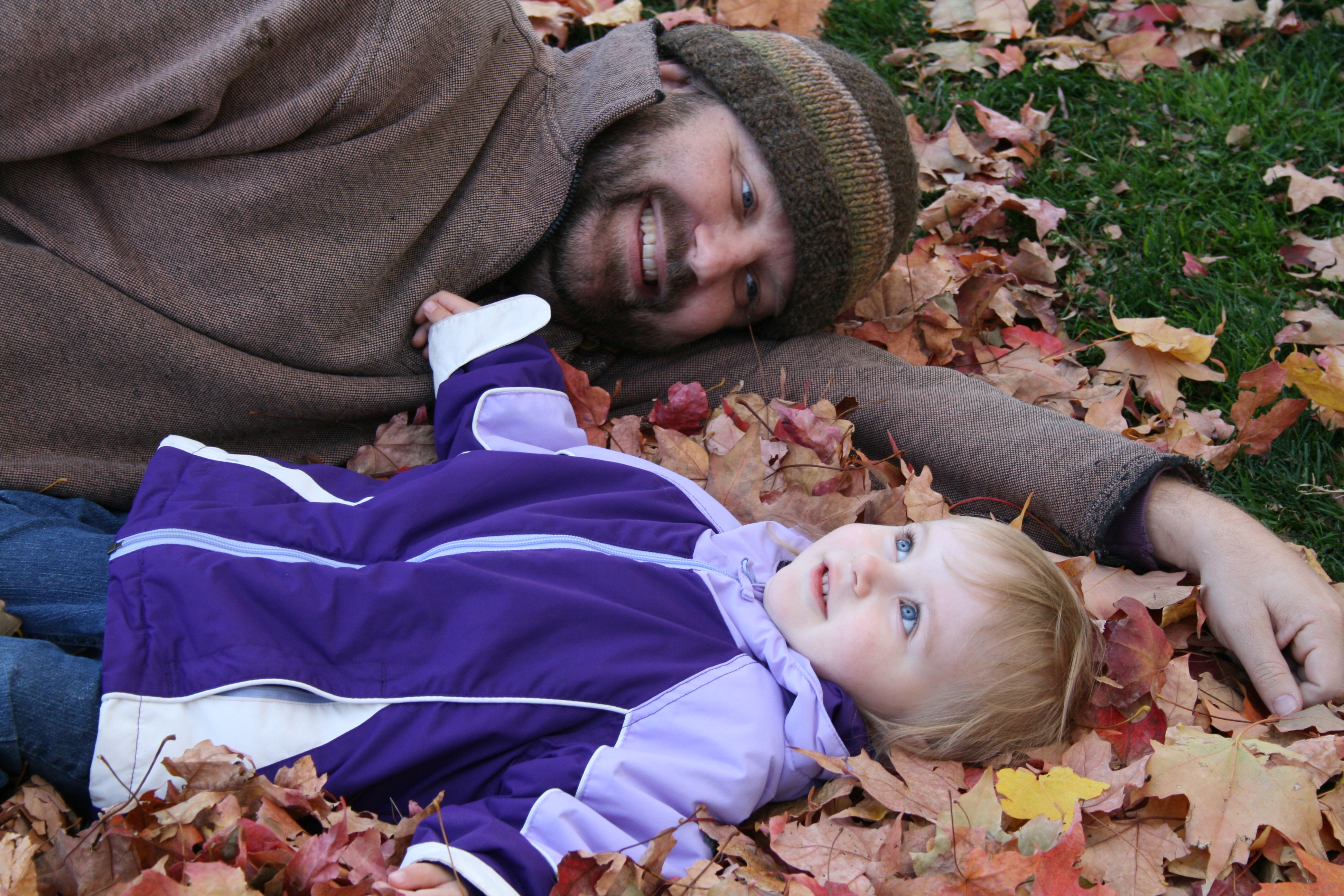
My daughter’s favorite phrase lately seems to be, “I want I want I want…” and then she fills in the blank with whatever she happens to want in that particular moment. We’ve been working on asking nicely, which she does beautifully when prompted. And, with Thanksgiving approaching I’ve been thinking about the relationship between desire and gratitude.

In my experience, desire is somewhat uncomfortable and exciting and if my desire goes unfulfilled it can reach a point of frenzy. Gratitude on the other hand is calming, heart centered, and incredibly fulfilling in and of itself.

So, when I find myself stuck in a cycle of desire, I can often find a peaceful way out by consciously practicing gratitude. And I deeply want Julia to develop this useful skill.

For the next couple of weeks when she starts in with her refrain, “I want I want I want…” I think I’ll respond by sharing something I’m grateful for, instead of prompting her to ask nicely. “I’m so grateful we get to spend this time together!” or “I’m glad we have lovely healthy food to eat.” And then I’ll ask, “What are you grateful for?”

Sure, we’ll practice this on Thanksgiving, but why not start early and continue through the end of the month? In fact, why take a break from gratitude at all?

There are bunches of studies from positive psychology and happiness research that show that gratitude increases quality of life. Here’s a list of some peer reviewed studies from 2006-2011 if you’re interested in learning more about the current research.

The point is that gratitude and appreciation are emotions that benefit us and the people around us. And what’s the best way to teach this wonderful skill to our children? Why, to practice it regularly ourselves, of course!

How do you practice gratitude on a daily and weekly basis? Do you have rituals around food, like saying grace? Do you recount favorite moments of each day at bedtime? Do you have family meeting where each person gets a chance to appreciate the other members of the family?

If none of these sound familiar, maybe it’s time to implement a gratitude practice into your life! Even something as simple as keeping a gratitude journal that you write in daily can improve your happiness and wellbeing. And even if you don’t formally adopt a practice WITH the kids, your own daily practice will still positively impact your family.

The holidays are a wonderful time to practice being grateful for what we have, and they’re also a good time to give to others. Sometimes I find that it’s easier to be grateful for the abundance in my life when I spend time with people who are less fortunate. It’s very easy to take things for granted when everyone around us has things like hot running water and cars to drive.

But when we volunteer at a local soup kitchen, it feels really good to give back AND it reminds us how fortunate we are. Really, having hot running water and a roof over our heads is quite a miracle.

So, what are you most grateful for today? And how might you implement a gratitude practice with your kids? Or do you already have one that you’d like to share? I love hearing from you!

Have a wonderful week, Shelly
Five keys to Conscious Parenting

The word “conscious” is bandied about quite a bit these days.

As a culture, it seems many of us are reaching toward greater awareness, trying to “wake up” and, if not transform, at least be aware of where we are in relation to where we want to be.

I Googled “conscious parenting” just for the fun of it, and aside from the giddiness of finding our site second on the list (thanks, Colin!), I was interested to see so many people using the phrase.

I thought of how so many of my friends are, or have been in therapy. The main issues I hear people dealing with are their pasts, especially their relationships with their parents, and how those past events impact the present: People say things to me like, “My dad never really listened to me;” or “My mom imposed her will on me so much, I never learned who I was;” “No one ever asked me how I was doing;” “My parents divorced, and I never found out what really happened;” “One of my parents drank, the other tried to cover it up;” Or in extreme cases, “I was hit/neglected/abandoned/sexually abused.”

Whether mild or extreme, we probably all know someone who had things happen to them in the past that they don’t want to repeat in the present. One of my favorite quotes is from Pam Leo, who said, “Let’s raise children who won’t have to recover from their childhood[s].” But aside from managing not to repeat some our parents’ biggest mistakes, how do we know we’re getting where we want to go?

Here are what I see as some of the keys of Conscious Parenting, things we can keep in mind when we wonder if we’re on the right track:

1. A sense of overall forward motion.  I may not be better at this today than yesterday, but six months from now, you’ll see a general upward trend in the graph of my parenting skill. Sometimes I might need to step back from the moment to see this.

2. The occasional pause to reflect. Rather than just keep moving, I actually stop and reflect, with compassion, on what’s happening.

3. An open mind and heart. I may have said or done thirty-seven things today I wish would have been different, and, I will listen to how this has affected others, and acknowledge those messages. I am human; I am doing my best; I am open to hearing how I have impacted those around me.

4. Doing what we can, ceasing to stress about what’s beyond our control. This insight is at the heart of much stress management thinking, and is also the message of the serenity prayer that is the credo of Alcoholics Anonymous. If we focus on what’s possible, and let go of what’s out of our reach, suddenly everything seems more manageable, more peaceful and less stressful. Try it!

5. Appreciate ourselves, our children, and everyone who contributed in any way to making us who we are. I appreciate myself as a parent, recognize no one can do this job perfectly, and choose to hold myself in a positive light, just as I strive to do with my children. Gratitude, when we remember and choose to feel it, has a way of putting everything else into a more calm and manageable perspective.

Full disclosure: This post may really be a message to myself. Four days ago, my son’s dad moved out. Because I had so much time to prepare, and because we lived together for a year and half after we ended our marriage, the transition has been just about as smooth as it can be. I feel surprisingly light. The family I made didn’t turn out as I planned, and I still feel some sadness about that. I also feel grateful for how we’re arranging ourselves in the aftermath. Yes, there were many things I couldn’t control.

But I am no longer “going through a divorce.” I am on the other side. I am embracing a new phase. And so is Cainan—he’s beside himself with joy that his new brother is finally in the same city. Like so many children (consciously or not) he wants to bring everyone together—and he does! When I stay focused on appreciating everyone, including myself, in this new phase, life looks pretty darn bright. It took a lot to get here, and I embrace that, too.  Today, anyway.

How about you, what helps stay conscious about being the kind of parent you want to be?

Please share your thoughts below.

Warmly,

Jill

Sharing Gratitude: Acknowledging each family members’ contributions

It’s amazing what a little appreciation, acknowledgment and gratitude can do.  You can go from feeling hum-drum or bummed to feeling completely ecstatic in a few short moments if you only take the time to practice gratitude.  Gratitude is like this magic potion that reminds us of all we have to appreciate in life–and there is a LOT to appreciate.

I have some friends who share gratitude with one another every time they sit down to share a meal together.  Others use gratitude as a way to connect at the beginning of their monthly family meeting.  I even know some parents and kids who say what they’re grateful for each night before bed.

I’ve found that when I feel appreciated and acknowledged, I am more willing to contribute, I feel more engaged in my relationships, and I’m just generally happier.  So, do kids feel any different?  I don’t think so.  I think we all respond well to being appreciated and acknowledged.  But it depends on how.  For instance, compliments like, “You have pretty hair.” usually don’t impact me in the same way that true acknowledgment does.

Here’s the difference:  A compliment is really just a positive judgment which might feel good at the time, but then it also leaves room for negative judgments which we can feel afraid of.  An acknowledgment is different. Continue reading “Sharing Gratitude: Acknowledging each family members’ contributions”