
Divorce, it’s not a topic we usually think of when we’re considering holiday plans, but for children whose parents live separately, holidays can be both wonderful and complicated.
I know they were for me.
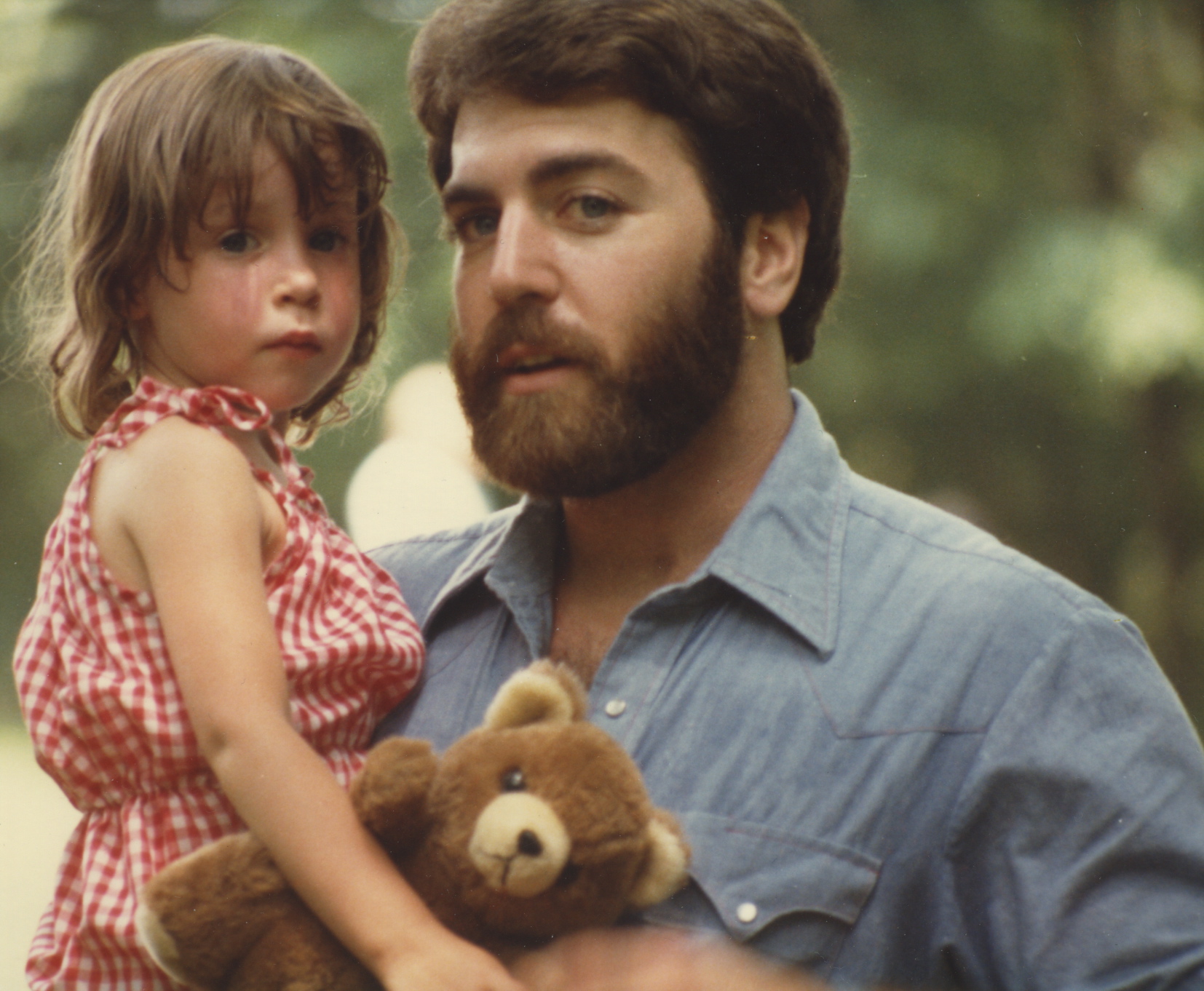
My parents divorced when I was five and optimist that I am, I could be heard saying things like, “I’m glad my parents are divorced, now they don’t fight so much!” or, “I get two birthdays, two Christmases, and about four Thanksgiving dinners!”
But the truth is, it was hard for me, even though I never would have admitted that at the time.
It’s stressful to be moving from one home to another or to travel across town or across the country just to visit with your own family for the holidays. And though we all feel the pinch since most of us live far from our families of origin, I think this time is especially stressful for children of divorce.
I can feel my stomach tensing up as I write this. It’s hard to say goodbye to one family and jump into a whole new environment with different people, different rules and expectations, and all the while, missing the family you’ve just said goodbye to. I’m not sure anyone can fully appreciate the experience unless they’ve been through it themselves.
I’ve been there.
I have a few close friends and some clients who are currently separated, divorced, or in the process of divorcing and when I talk with them, I can hear their deep concern for their children along with their relief at having made a decision that will make them happier, better parents overall.
If you’re one of those parents, congratulations on choosing what will surely turn out to be best for you and your kids. Even if it doesn’t seem like it right now, you can help your child have a happy, healthy childhood AND keep yourself sane by creating some distance with your ex.
Underneath the surface questions like how often should he see his dad or should I ask for full custody, I often hear deeper questions like, will my child be OK and how can I make sure he grows up happy and well adjusted?
So, here’s what I know about what works and what doesn’t when you’re sharing your precious child with someone who you no longer want to share a life with.
1) Protect the child’s relationships with BOTH parents.
The relationship with the other parent MUST be fiercely protected, cared for, nurtured, and supported by BOTH parents. If my mom hadn’t tucked in her own angry feelings toward my dad and made sure I spent lots of time with him, I wouldn’t have the wonderful relationship with my dad that I have today.
And if my dad hadn’t generously agreed to share custody when he wasn’t legally bound to do so, my relationships with my mom and step-dad would have suffered greatly. One thing my parents did right after their divorce: they made sure I had MY OWN relationship with each of them.
What this means for you: Resist the urge to vilify your ex and instead, share the things you appreciate about your ex with your child. Make sure your child has as much time with each of her parents as possible. And always be available to help your child process and work through any negative thoughts or feelings she might have about her other parent. Remember that you and your co-parent are your child’s best example of emotional maturity and responsibility. And if you need help processing your own stuff about your ex, seek professional help. Don’t rely on your child to help you work through your own feelings toward her other parent.
2) Make transitions smooth and predictable
Transitions between households are difficult, there’s no way around that. It’s completely bewildering to switch homes, so do your best to provide consistency and clarity during and after the transition (and before the next one).
Here are a few suggestions for how to ease the transition:
- Be there for the hand-off. It’s hugely important to be present at major transitions like picking up or dropping of your child at the other parent’s house. Don’t send a proxy for this important job.
- Be on time. Don’t make a child wait around for you to pick them up. Children are extremely self-centered which is developmentally appropriate, but that means that they take things very personally too. When you’re late for a pick up, or you send someone else, a child might interpret that to mean that they’re not important to you.
- Create a short ritual around welcoming the child back to your home. This can be as simple as a hug, a kiss, and helping your child unpack his bag. Or it could be something more elaborate like lighting a candle and saying a prayer for his other family. Ask your child what he would like to do.
3) Celebrate the benefits and talk about the drawbacks
It was pretty awesome to get twice as many gifts on birthdays and Christmas. More gifts at holidays is a tangible benefit of having divorced parents that a child might want to celebrate. So go ahead and let her revel in her good fortune!
But also remember that even if your child seems “well adjusted,” it’s also important to talk about the drawbacks and downside of having multiple families. It’s a lot of hard work to pack a bag and move to a new home every so often, adjusting to new expectations and enjoying time with this family while simultaneously missing the other one. It would be a lot for anyone to process, and it’s especially overwhelming and confusing for a child.
The best way I know to process emotions is to talk about them. “Wow, I bet you’re having a lot of feelings today. You might be feeling excited to be here, but you’re also feeling sad about leaving your other home, huh?”
A little bit of empathy can go a long way to helping your child understand what she’s going through.
4) Get professional support for your child
My parents were always big fans of therapy, so I never felt badly about getting professional help to work through my feelings. I went to therapy several times throughout my childhood, usually for short stints. It was reassuring to know that if I needed someone to talk to, my parents would provide me with someone well trained and impartial.
During the custody dispute my parents had when I was seven, my dad and step-mom sent me to group therapy for kids going through divorce. It was called “Kids in the Middle” and I loved going! It was nice to know that I wasn’t alone and that other kids were experiencing similar difficulties.
So, if you’re co-parenting with an ex, I hope this information is helpful and I’d be happy to share more about my experiences growing up with divorced parents. All you have to do is ask!
I hope you had a wonderful holiday weekend and can you believe it’s almost December already?!
Warm hugs and love, Shelly