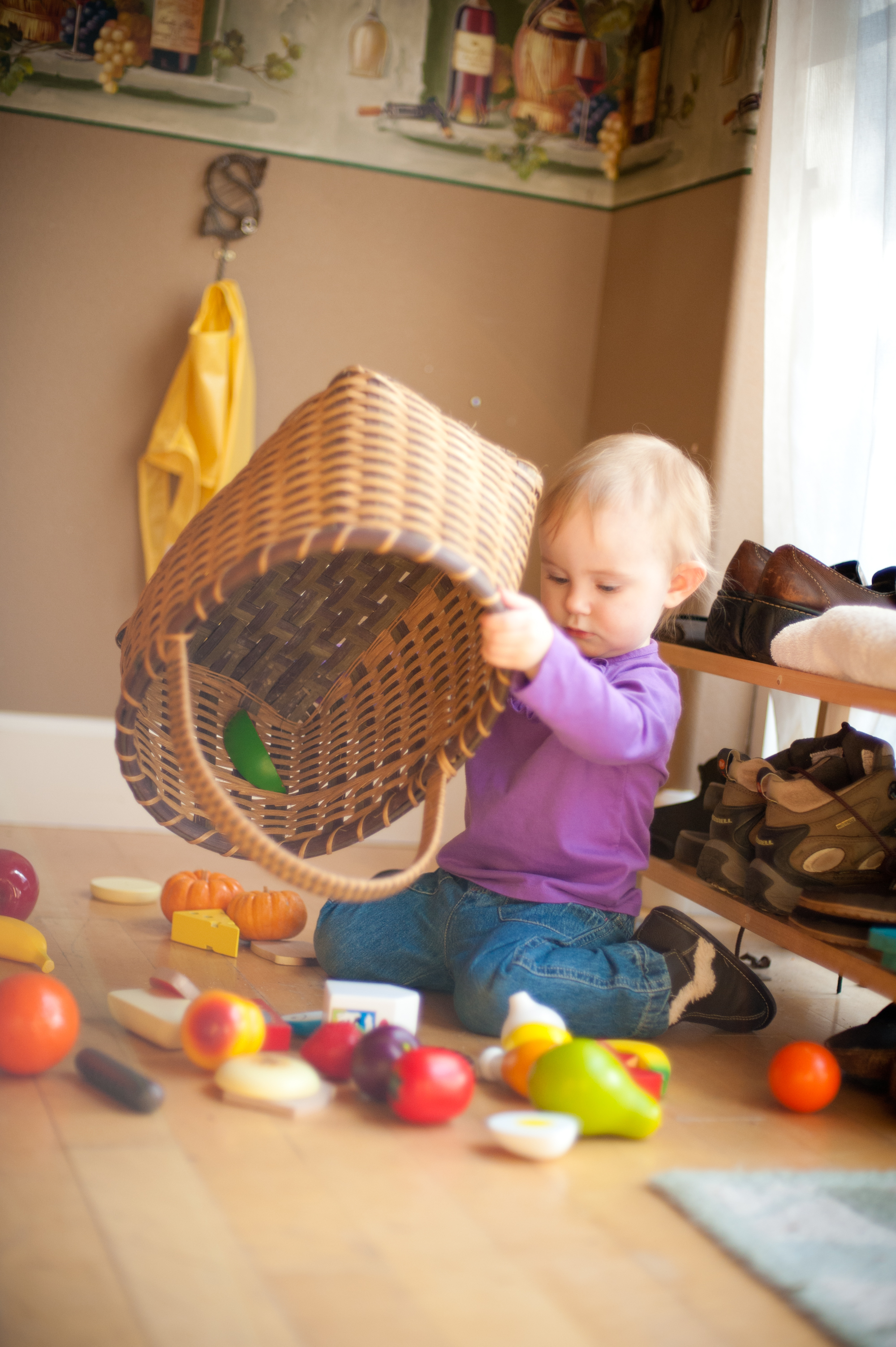

Connected Parenting Key: get curious

curiosityFirst of all, I’d like to introduce my newest audio program:

8 Steps to Connected Parenting

For those of you who want a quick, easy guide to some of the most important aspects of creating connection with your kids, I’ve recorded 8 Steps to Connected Parenting, my audio guide to Conscious Parenting 101.  You can check out this audio program (only available in MP3 download) here: https://www.awakeparent.com/8steps/

Although this 45 min. audio program is easily worth $20, I’ve decided to offer it for just $8 because I’m hoping you’ll love it, find it very useful, and tell all your friends about AwakeParent.com.

To give you a taste of what this audio program is about, I’ll share one of the steps with you now…Step 5: Check in and Get Curious

Getting curious is one of the most effective ways to invite people to share their inner worlds with you.  When we’re genuinely curious we ask interested questions and people (including children) are compelled to talk with us about what’s going on inside them.

One question to avoid when you want to start a dialogue is “why”.  “Why” puts children into conceptual thought and doesn’t get to the heart of the matter.  Now besides their initial problem, they’re being asked to figure out the reasons for their discomfort and that only leads to more anxiety and upset.

Instead of asking why, try asking questions about what happened, how she’s feeling, or what sensations she’s noticing in her body.  Repeat back what she tells you and ask her to confirm that you’ve gotten it right.   This reflection allows kids to correct you if you’re off track and lets them know that you’re really listening and understanding what they’re telling you.

After you’ve repeated and gotten confirmation that you’re hearing your child accurately, ask, “what else?”  This phrase is an invitation for whatever else your child wants to share.

Here’s an example of a conversation between John and his mom who is curious and reflective. Continue reading “Connected Parenting Key: get curious”


The taking-it-personally vortex

One of my biggest challenges as a parent is trying to find ways not to take it personally when my child blames me for his unhappiness. Sometimes, it’s easier than others. For example, when I  hear, “You’re so mean!”, it’s easy for me me to remember that this is all part of the parenting mix. It’s harder when he does things like vigorously reject my home-cooked food.

I don’t know whether “You’re so mean” rolls off my back because I’ve heard it so many times lately (whenever my son doesn’t get what he wants), and thus am getting used to it but somehow, I’ve been able lately to keep a calm heart in the face of “You’re so mean”,  and offer up empathy guesses into feelings and needs:

“Ah–are you saying you’re angry because you’re not getting what you want?”

“Yeeahhhh.”

Whew. That I can hang with! And it also helps take the edge off his upset. In fact, whenever I can remember to tune in deeply to my son, and help him feel heard and understood, his anger dissipates, and least a bit.

I think if I could remember each and every time I hear something personal, to tune into the feelings and needs underneath, I’d probably be a lot more peaceful.

As it is, what comes up for me sometimes is, well, taking it personally. And then fighting accordingly. This is especially easy to do when I get called a name. For a period of weeks, when my son was unhappy, he’d shout, “Stink!”, which I think was meant to be a noun, as in, You are a “stink,” an unpleasantly-scented thing…like a piece of poop for example.

Continue reading “The taking-it-personally vortex”

The joys and challenges of spending the holidays with family

Happy holidays everybody!  I hope you’re having a lovely time together as a family and I know that when we get extra time together with our immediate families and especially when we spend time with extended family, tensions can run high.  I’m sure you know what I’m talking about.

Almost inevitably when we celebrate with our families, there’s someone whose beliefs are different from our own, or there’s a sibling or parent who treats us in just the same way they treated us when we were five or who treats our children in ways we don’t enjoy.  The holidays can be a time of joy and celebration, and a time that warrants a lot of introspection, conflict resolution skills, and mediation between family members.

Although we all might intend to have a nice Christmas dinner or a beautiful Solstice celebration or (insert your holiday here), there are times when feelings get hurt, alcohol helps remove inhibitions, and we can suddenly find ourselves or other family members in the midst of conflict.  So what can we do when our lovely celebration is about to deteriorate into chaos?  Continue reading “The joys and challenges of spending the holidays with family”

Seek first to understand…

In his Seven Habits of Highly Effective People, Stephen Covey enjoins us to “Seek first to understand, then to be understood.”

As hard as this may be to remember to do with other adults sometimes, I find it even harder to remember to do with my son.

Recently I got my son and his stepbrother reading and math workbooks based on movie characters. My son got a Cars (as in the Disney movie) workbook for Chanukah, while his stepbrother got a Spiderman workbook. My son wailed and hollered for days…”It’s not fair! It’s not fair! Why did you give him that?”

I explained that I knew Canaan (my son, and that’s his new chosen spelling of his name) liked Cars, so I got him that, and I knew Taebin (his stepbrother) liked Spiderman so I got him that. Completely logical.  Meanwhile I was kicking myself for not remembering to get them identical gifts.

Canaan’s dad explained to him that if he kept reacting like this, people wouldn’t feel like giving him gifts anymore. Turning on my best earth mother tone, I imparted a deeply meaningful spiritual lesson about how gifts are expressions of the heart, and the giver wants joy and gratitude in response, and how the gesture of giving the gift is an act of love, far beyond the gift itself.

We also reminded him to focus on himself, and not pay so much attention to what other kids were getting.

Well, sure.

And…blah, blah, blah.

What does any of this mean to a six-year-old with a bruised heart?

Maybe something sunk in. I hope it did.

But what dawned on me was that I had completely skipped over the step of seeking first to understand him. And in so doing, missed the chance to really connect with him, build trust, and show him I was on his side. And how much more valuable would that be than trying to “convince” him of something when he plainly knows otherwise?

I stopped mid-lecture.

“Are you feeling really sad, because when you saw Taebin’s gift you wanted his more than yours?”

Immediately his energy relaxed.

“Yyyeeeeahhhh….”

Of course it did–I was showing him that I was with him, not against him.

So I continued.

“And you really wish you had that present, so you could feel like things were equal?”

Tiny whimper.

“Uh-huh.”

Oh, my sweet little puffin.

I felt myself soften, too.

I noticed that I can feel afraid, sometimes, when I take this approach, that I’m somehow reinforcing “irrational behavior,” or teaching him that it’s “Ok to be upset about little stuff.”  I’m also just wanting peace, and wanting his tirade to end, which fuels my strategy of explaining why it “should” end.

I need to remind myself that empathizing with him doesn’t mean I’m agreeing with his story–it just means I’m taking a moment to seek first to understand, before trying to get understood. This works pretty well with adults. How much more mileage can we get from this technique with young people, who don’t even have the advanced brain development most adults do? But boy, do they know when someone is genuinely trying to understand them.

Please tell me your experience–what happens when you seek first to understand (and check out with the other person whether you got it right), before seeking to be understood?

Oh, and happy Chanukah!

One simple trick for hard times: Imagine how you want it to go

It’s finally hitting my son—he has two homes now. He’s struggling to make sense of it, and sometimes lashing out at me. I mean really lashing out—hitting, telling me he doesn’t live with me any more, and that I’m not part of his family. I’ve been thrown for more loops than I can count in a very short period of time. And it’s always like a surprise kick in the gut.

I realized I was kind of going victim about it all. I was seeing these scenario’s as something that was “happening to” me—I was not helping create them, but just reacting to them—in very knee-jerk, disempowered ways: impotent rage, fighting him in petty power struggles, taking it personally, and giving up and getting depressed.

Finally it dawned on me: I could create exactly the scenario I wanted. Continue reading “One simple trick for hard times: Imagine how you want it to go”