I’m writing this post while I am listening in to an online webinar. Why am I multitasking? Well the content is really interesting, but one of the hosts just had an experience fumbling around trying to figure out how to run the webinar and she apologized to us by saying
“Oh I’m so retarded. ” My heart sank. I stopped hearing anything else that was being said and I typed a message to the host that said,
“The word retarded is offensive to me, my son has Down syndrome. Please refrain from using that word to make fun of yourself. It is disrespectful to people with developmental disabilities. Thank you.
She did write me back during the webinar ( just a few moments ago) to say she was sorry about that and that she will [refrain].
I wonder if that moment between the two of us will make a difference the next time she thinks of using that word? I have no idea. But for me, it’s important to advocate for my son and others who have intellectual disabilities.
I know that most people have no idea that the word “retarded” could really be hurtful. And just so we are clear, I used to use that word myself. I had no clue. I wasn’t ever told that the word could be hurtful. I had never made the connection. It just seemed like a word used to make fun of myself.
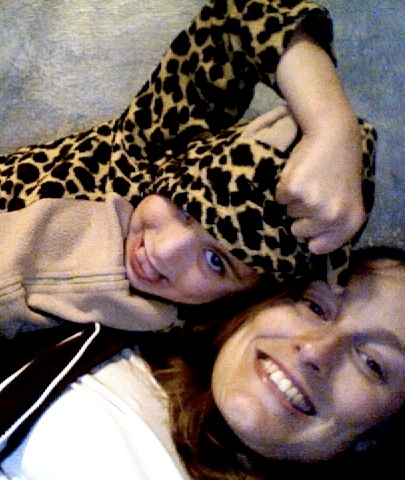
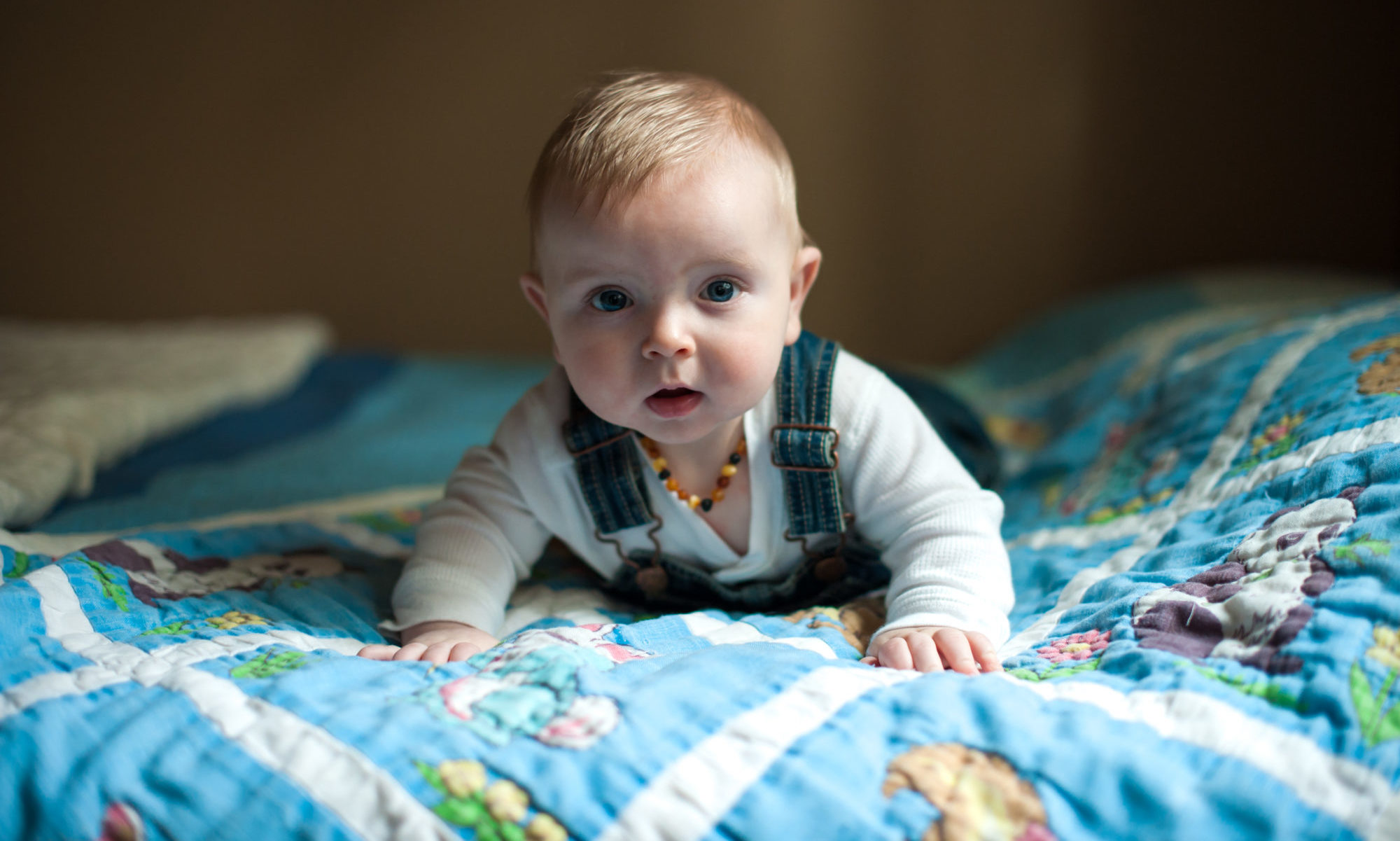
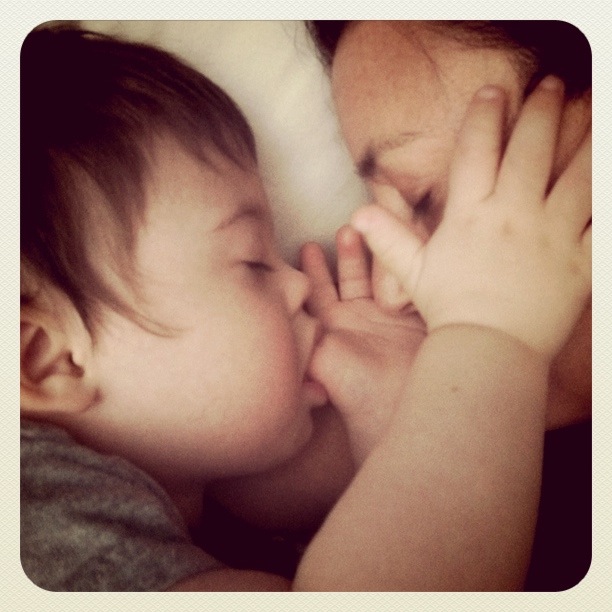
However, on February 4th 2009, my understanding of the word changed when I gave birth to my son Max. I learned early on that the way the word retarded is used really does hurt people. I realized it was up to me to share the information. It was up to me to change my own language. It was up to me to advocate for my son. I don’t get angry when someone says it… well maybe a little. Mostly my heart sinks because I know I need to say something to advocate for my son and it’s not always an easy thing to bring up. Some people get defensive, argue with me and feel the need to tell me I’m wrong. I usually just say to someone “ouch, that word actually hurts me when I hear it.” It’s a new experience every time I hear it. I’ve learned ways to be helpful instead of being mean to them. That never works. Trust me. I have to remember not to take it personally, but to use the opportunity to educate with a loving and understanding heart.
The other day I had to take my son to the doctor to check his ears for infection. When the doctor came in to see him, he said “Oh you have a Downs.” I hear this a lot and it makes me shudder. No actually, I have a son who has Down syndrome. Not a “Downs,” or a “Downs baby.” It’s a shift in language that puts the individual first and the diagnosis second. My son is not his diagnosis. He is an incredible little boy with a lot of unique characteristics that make him who he is. Another example would be if someone called my friend who has cancer a “Cancer girl.” Or a “Cancer.” No she is not the diagnosis. She is a girl with a name who happens to have cancer. It’s the same with children and adults who have autism etc. Language Matters.
“Spread the Word to End the Word” Is a message that I feel strongly about. John C McGinley from the tv show Scrubs shares his feelings about the word retard and retarded in this video. He too has a son named Max who has Down syndrome.
I’ve made the commitment to replace the word “retarded” with the word “ridiculous”. Won’t you join me?
 -Catherine Just is an award winning, published photographer gracing the cover of National Geographic and inside Oprah.com. She leads Soul*Full retreats for women and the Soul*Full eCourse. She’s also the proud mama to her son Max Harrison who happens to have Down syndrome.
You can find out more on her website at http://www.catherinejust.com or on Max’s Blog http://www.hang-on-little-tomato.blogspot.com
For more information on Down Syndrome:
NDSS