Serve-yourself snack gives you more freedom

In the Montessori classroom we have a LOT going on. Twenty-four kids are doing individual and group activities, the head teacher is demonstrating activities, and the assistant teacher is available to help kids when they need a hand.

So, when it comes to serving snack, the more the kids can help themselves, the better. This is true at home too. I mean, how many times have you been happily folding a load of laundry when your three year old whines, “Mommy, I’m huuuunnggrryyy.”

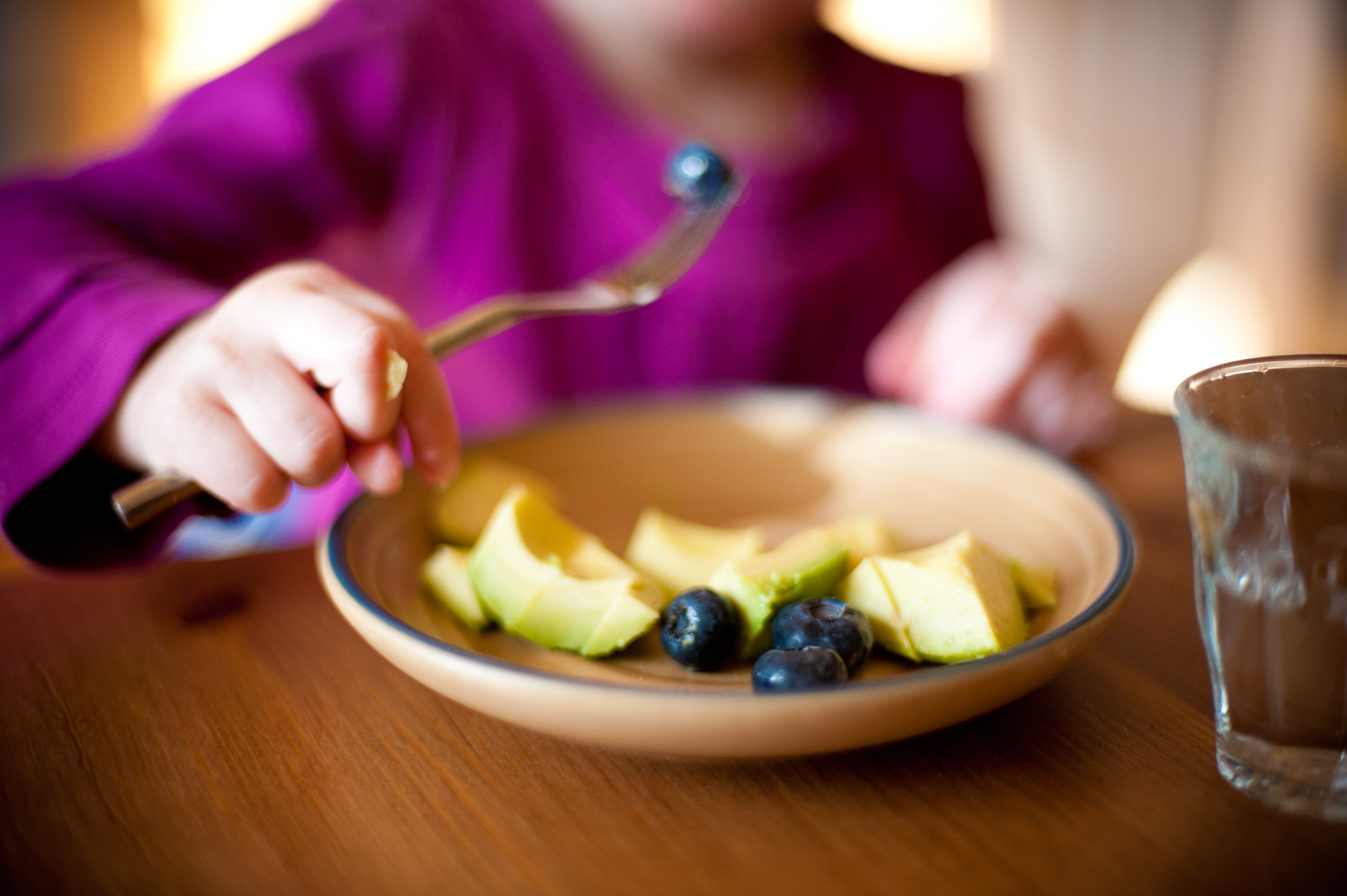
Here’s the solution! If you put out the necessary ingredients for a healthy snack on a child-sized table at say 9am every morning (or at 3pm if your kids are more hungry in the afternoon) your children can serve themselves whenever they’re hungry. This promotes independence while ensuring that your kids are eating a nutritious snack AND you don’t have to get up from your own work to serve them. Continue reading “Serve-yourself snack gives you more freedom”

Cooking with kids: How preparing food for ourselves and our families contributes to everyone’s well-being.

I used to despise spending time in the kitchen. I didn’t like doing dishes, I didn’t know how to cook, and I preferred microwave meals to home cooked ones. Wow! Have things changed. Now I buy lots of fresh organic produce, free-range meats and eggs, and I enjoy coming up with new interesting creations and cooking traditional foods. And for some reason I want to put cumin on everything.

Thinking back, I can identify a couple of things that produced the shift for me. First, I read “Peace is Every Step” by Thich Nhat Hanh. There’s a passage where he talks about enjoying the present moment even in the mundane activities of life like washing dishes. I immediately began to ENJOY doing dishes! I luxuriated in the warm soapy water and felt a deeper sense of accomplishment than I ever could have anticipated from the simple act of doing dishes.

And then I moved in with my husband to be (we’re getting married in 6 weeks!). As soon as I moved in with him I noticed a strong desire to learn to cook welling up in me. I wanted to feed us delicious, nutritious foods.

So, I began to learn the art of cooking. It feels a little funny to be writing about cooking since I’m still so new at it, Jill is the real chef of the two of us. But what I do bring to the table is the ability to modify cooking activities into interesting and age-appropriate activities for kids of all ages.

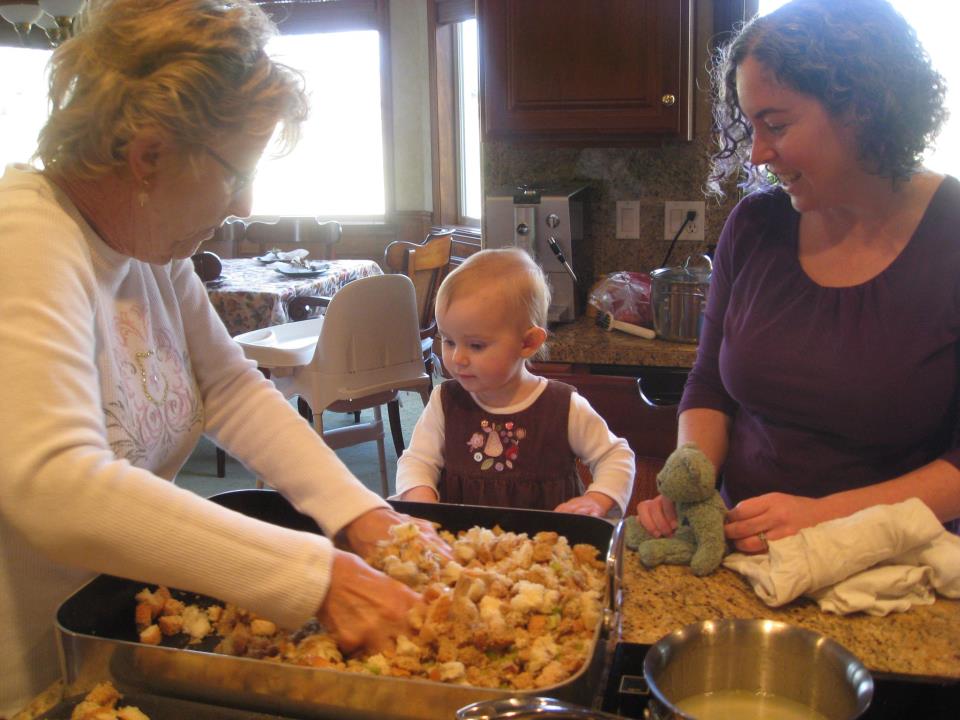
Think of your child as the apprentice chef in your kitchen. Continue reading “Cooking with kids: How preparing food for ourselves and our families contributes to everyone’s well-being.”

Parents: Eight ways to party like it’s 2009!

This article is the fifth in our Whole Life Parenting series, which offers practical tips to meet the needs of both parents and children.

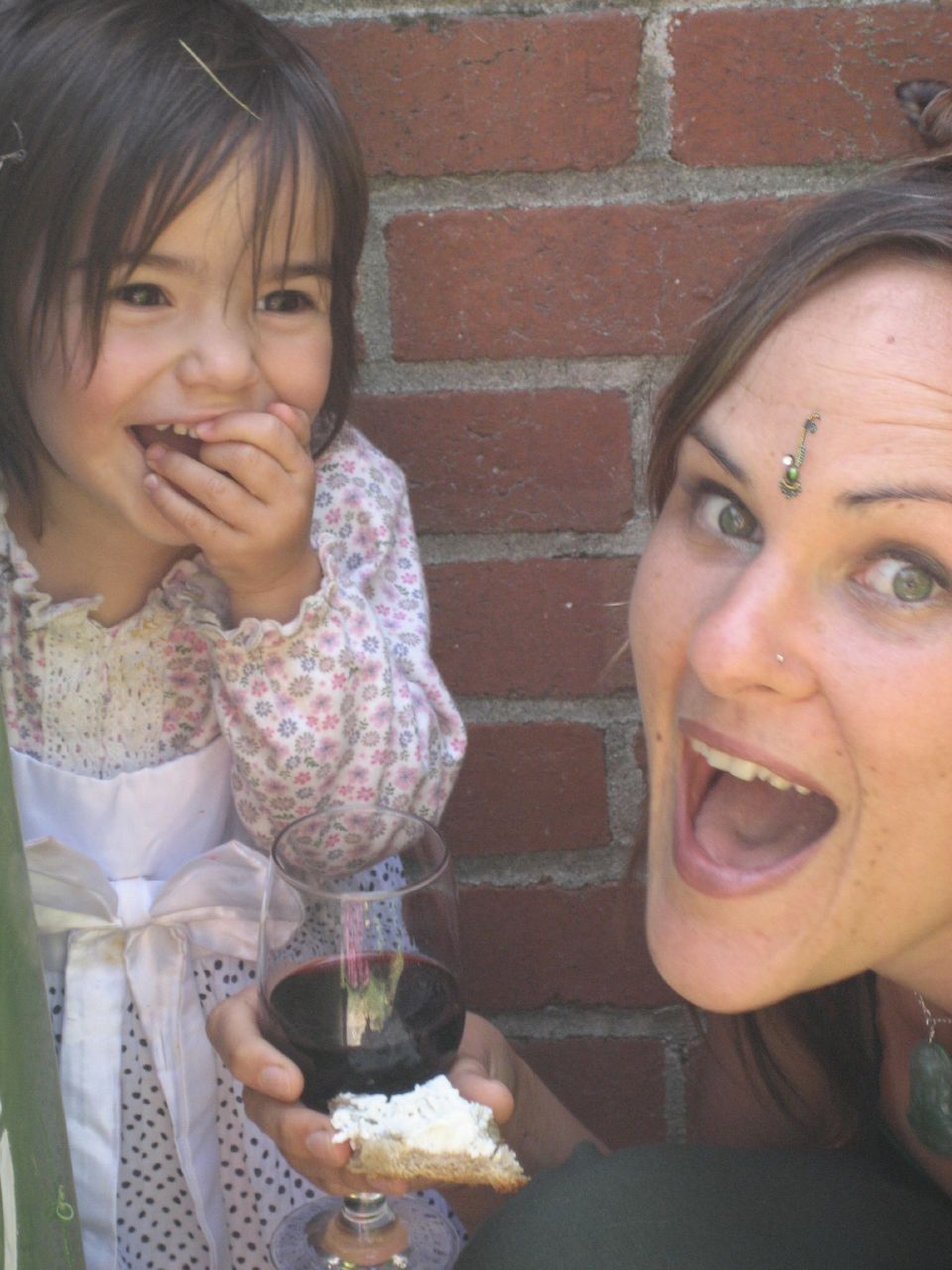
Not too long ago, I went to the party of some friends. Small children buzzed, hooted, rolled, walked, cried and ran around throughout the whole party. The host said, It’s amazing how the parties have changed over the years as this group of friends has had children. We’ve just opened up into a kid-friendly space.

This, I think, is the key to having a great time at party when you have kids around—think of it as a kid-friendly space where you also get to have some grownup time—more mindful grownup time, perhaps than before you had kids, but grownup time nonetheless.

Here are eight ideas for creating parties that meet both young people’s needs and adult needs:

1. Cluster ages, mix genders. Try to invite clusters of kids close to the same age, and a mix of boys and girls. An odd child out can wind up getting left out of the social activity, or not treated as warmly as the others. Kids close to the same age will organize themselves into self-directed play. Mixed ages can also work well when older kids help supervise the younger kids, and younger kids get to look up to the older kids as role models.

2. A little bit of kid-friendly goes a long way. If you plan an activity or two just for the kids, one or two adults can supervise while the others get to interact with each other. For example, last Chanukah, I had the kids cut out cookies. After I baked them, I put the cookies and decorating supplies in a big tray, and the kids occupied themselves decorating the cookies while the grownups got to schmooze.  We always keep a kid-sized table with a box of art supplies and paper in the living room, plus a barrel of toys, so our young visitors can entertain themselves if the grownup talk gets too boring.

3. Rotate supervising grownups. Depending on the ages of the kids, you might be able to get away with rotating the supervising grownup. This often happens naturally, but it can’t hurt to ask ahead of time if folks would be willing to take a short shift supervising the kids so it doesn’t all fall on one parent.

4. Find an enclosed space, whether natural, or human-made. An open space, such as a park in a valley, or a field surrounded by a fence or forest, can provide kids with an exciting play environment, as well adults with peace of mind that the kids won’t encounter traffic.  And sometimes it’s just nice to get out of the house and commune with nature while you socialize.

5. Create a staggered party. I have held and attended a number of these. Basically, the set up is, create some specifically kid-friendly time for part of the time, followed by a transition time, followed by grownup time.  For example, you might have a weekend barbeque with 4:00 p.m. to 6:30 p.m. as designated child-friendly time, and set up your space according to some of the ideas above. Let the focus be on the kids during this time, so they can get play hard, eat well and get ready to go home. 8:00 p.m. could begin the adults-only time, and the intervening period can serve as transition. This way, guests can choose to come to either one or the other party segment, or get a taste of both by staying for the transition. Some guests might even choose to take their child home and then return.  Others might put their child to bed in an extra bedroom and continue to party!

6. Set up separate kid space. Though this doesn’t work equally well in every space, some families are fortunate enough to have a space big enough where kids can hang out separately from the adults. I went to a party where a friend had converted her attic into a playroom, and her babysitter hung out with the kids while we parents had some adult time downstairs. We all chipped in for the babysitter at the end.  Babysitting can also be a great way to get older kids involved, who might otherwise be bored or tempted toward something not good for them. It’s also a chance for them to earn a bit of money.

7. Plan a party with activities both kids and adults can enjoy. Costume parties with dancing, pumpkin carving, barbeques, henna or face-painting, music and food are all things people of walking and talking age can join in, at least on some level. There are lots of ways to cut loose without a drop of alcohol, so adults can have fun while still keeping a clear head for the kids.


8. Revel in the freedom of kid-friendly space. When we put kids at the center of our consciousness, tune into them, and follow their lead, we actually get a chance to drop some of the adult rules. We get to be silly, get muddy, act nonsensical, run around and maybe even get more exercise than we would if we “acted our age.” This kind of permission can renew our spirits in ways we might not even realize we missed if we don’t take the opportunities.

As a parent, you don’t have to give up having parties, and not all your parties need take  children into consideration all the time. Certainly, life with children will never be the same as before you had kids, but with a little planning, vision and intention, you can enjoy your children, and have social time with adults.

How have you been partying, if at all? Please let us know in the space below.

Party on,

Jill

I had kids eating lima beans like they were candy.

I guess I just like watching things grow.  There’s something about planting a seed, watching it grow, bloom and produce fruit that gives me a sense of comfort.  I enjoy watching the progression from cotyledon to true sets of leaves, then pollination, and fruit.  I like tending my plants daily, making sure they’re well watered.  I even like watching the leaves wither and the seeds fall to the ground.  It’s the cycle of life, the ever-turning wheel of almost constant change.

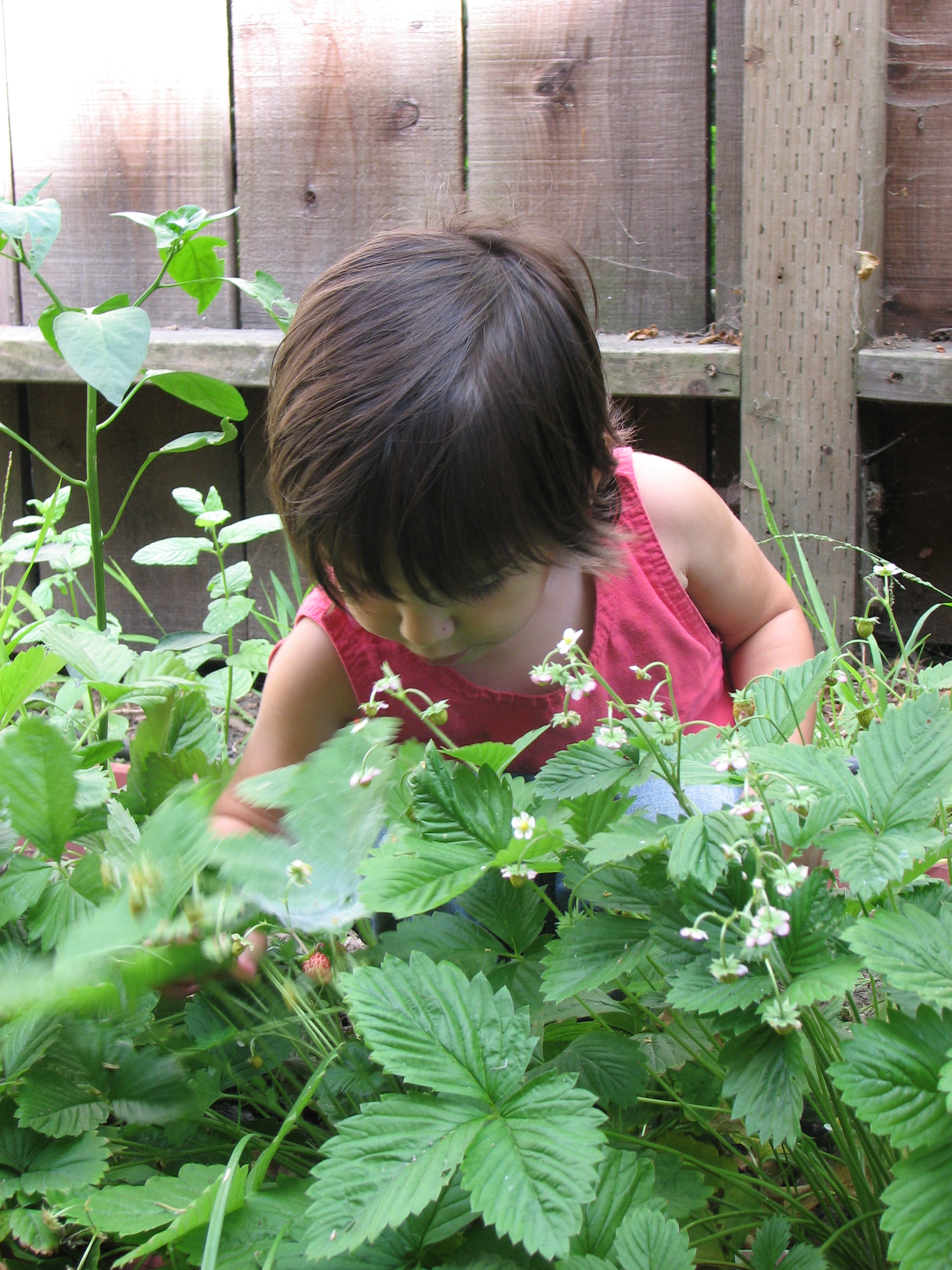
I like to nurture things (and I’m guessing you do too!)  And I’ve found there are quite a few children who, if allowed, can become devoted to growing a bean plant (which will sprout in a wet paper-towel for goodness sake) or daisies, or pumpkins, or all three and more.

By fostering their interest in gardening you can enjoy time together tending the vegetables.  This can meet your needs for peace, nurturing, and beauty while it meets your child’s needs for learning, discovery, and understanding where food comes from.

I’ve seen children hunting and cataloguing insects and birds they find in the garden.  Digging for worms to examine.  And I’ve seen them clamoring over a newly ripe lima bean, deciding among themselves some of the time and coming to me to mediate other times– who gets to eat the delicious bean today?  I’m not kidding you– in our garden, at Berkeley Montessori School, the ripening of the lima beans was Shangri-La.

We grew carrots, lettuce (but sometimes the deer or rabbit ate it), kale, lots and lots of flowers.  Flower arranging was one of the most popular activities in our classroom.

Don’t even get me started about apple season.  We ate apples, cooked with them, watched the squirrels eat them, and used them in art projects.  I wish every child on earth could have an apple tree.

When I was little, we had a cherry tree.  It was my sweet delight, my haven, and a source of some concern, what with cherry trees growing out of people’s ears— or at least that’s what they told me would happen if I swallowed the pit.

I did eat so many cherries I gave myself a stomachache, but then I learned my limits, and just ate a few less. I can never remember anything more than curiosity and gentle suggestions from my mom that perhaps I’d had enough cherries.

Maria Montessori said that all children have an innate desire to learn and grow.  I’ve seen that truth so clearly in my years working with young people.  They’re voracious learners.  The just need some stimulation– something to tend to– you know, a job (or their “great work” as we liked to call it).  Otherwise known as a purpose.  A garden can be just the motivation some kids need to take interest and responsibility.

So, this thing keeps happening in everything I write lately– I start off on one topic- gardening, and I end up on another– a child’s purpose.  But then again, for your child this could be the same thing…  I mean if my purpose is to nurture and support families, couldn’t his just as easily be to grow things?

So, here’s what I’m really saying– grow a garden if you and/or your child would enjoy that.  And whether or not you grow a garden this summer, help your child find a new way to grow into his purpose– whether his purpose is to learn new skills, tend a garden, take care of animals, or whatever!  If it lights him up, encourage him.

In a couple of weeks I’ll write more about how to encourage your child’s desire to cook and prepare food!  You might not be the only one who loves to prepare nutritious and delicious meals for your family.

With love, Shelly

Oh, and I’d love to hear what you think.  Please leave a comment in the box below.  Thanks!

Nine ways to exercise with children

Have you been lamenting your lack of exercise? Thinking back on the days when you used to get to go to the gym, or run around your neighborhood or swim laps at the pool? Kid time is sometimes almost all our time—and the kind of “running around” we do with them doesn’t always feed our body’s need for vigorous (or gentle) and sustained exercise.

Here are some of the ways I’ve found to bring exercise back in, with activities that you and your kids both enjoy, and that give you the added benefit of that exercise you’ve been craving to round out your life, keep you physically fit, and elevate your mood. You can adapt these suggestions to your mobility level.

1. Go for a long walk outdoors. People who walk in nature report that they feel happier after a walk in the woods than they did when they started. Find a trail where you can both walk, or where you can walk and push a stroller, or where your child can run, or scoot on a scooter (a great way for them to develop coordination). A brisk walk can revitalize your and your child’s circulatory system, and a controlled dose of sunshine will do you both some good. If it’s cold, bundle up. If it’s raining, throw on ponchos.

2. Play chase. Pretend you can’t catch your child, so they can feel powerful. Then run away from them and let them “catch” you. Before you do, you might be able to run several laps around them. Depending on how long their energy lasts, you might be able to get in a good aerobic workout.

3. Go for an actual dedicated run with your child around a local track.  If you have an infant or very young child, you might be able to run pushing a stroller.  Or, if your older child runs slower, you can run circles around them, and make a game out of it. In this case, your goal will be to keep up your own pace. You can talk with them beforehand about your goals, for example, “I want to run for twenty minutes. You can run with me, let me run around you, follow on your scooter, or stay on the side where I can see you and play with your toys and books.” Did I mention it helps to bring toys and books almost anywhere? Continue reading “Nine ways to exercise with children”