How to be in charge and stay connected

As part of launching our Perspectives on Feelings audio program, Shelly and I asked for your questions related to feelings, so we could get a discussion going around the topic. You might have seen our video blogs the last few weeks.

I’m giving the camera a rest and going back to the old familiar keyboard this week. One of you asked, “My son’s a wiggler. Sometimes I need to use force to put him in diapers, into a car seat, or other places. What do you recommend?”

Here are some things to keep in mind:

As the parent, you are in charge. As much as we try to create opportunities for autonomy, ultimately, you need to get the family from Point A to Point B. Your child relies on knowing this, and even if they fight you, they get a sense of comfort from you knowing that you’re in charge—this is probably even part of why it seems they’re testing you—to find out if they’re really in a stable container.

There are many ways to be in charge.  What happens before, during and after you exert force to make something happen, makes all the difference in how your child experiences it, and how your connection is impacted.

Before:
If you can think of it and remember to do so, giving your child two or three heads-ups before something happens will help them shift internally to prepare for it, so it’s not as much of a surprise. For example, “In five minutes, we’re going to get in the car to go to Grandpa’s, and I’m going to need to put you in the carseat.”

If you encounter resistance when it’s time to make the transition, here’s one trick that even works with my especially willful child:

“Do you want to go now, or in two minutes?”
(They’ll probably answer “in two minutes!”)
“Okay, we agree–yay! I’ll be back in two minutes to collect you”

This gives them a measure of autonomy. Remember, when they fight you, it’s not you they’re fighting—they’re fighting for their sense of autonomy, and to test the boundaries. It’s through this back-and-forth that they develop a feeling for who they are, and a sense of self-confidence. The more you can weave contained opportunities for autonomy into your everyday activities, the more cooperation you’ll get, because your child will pick up on your respect of him, and respond accordingly.

Okay, but what about when they’re all out, full-on fighting you? And you need to get out the door? Here are some more ideas:

During:

Here’s how to make the most of a situation where you need to exercise your will over theirs:

1)      Give the heads-ups, as above.

2)      Say what you need, what exactly what you’re going to do, and offer one last out: “I really need to get out the door because…I’m going to give you until three to come with me, then I’m going to pick you up and take you.

3)      DO IT LOVINGLY!!!  This is the most important. I understand you might feel frustrated and powerless—I often do! And we’ll address expressing your own big feelings to your kids soon. There are times when you might need to sound authoritative to get a response—just try to remember the love if you can.

4)       As you begin to interact, however, pay attention to your tone. There’s a huge difference between, Get in this car or I’ll haul you away with a crane! And Okay, sweetie, here we go, up, up and away, my little airplane! With the latter, you might even get a giggle.

After

Once you’ve decided on a course of action and enforced it, your child may have a lot of feelings: frustration, fear, anger, relief. If you can at least acknowledge and reflect back those feelings, you’ll add to the trust and connection between you.

Here’s the secret: You can listen to your child’s feelings without giving in. Conversely, you can be in charge and set the limits you feel comfortable setting, and still lovingly allow your child to have their feelings about how things are.


Let us know how it goes!
Warmly,


Jill
Four ways to keep old friendships alive after kids

This post is part of our Whole Life Parenting series.

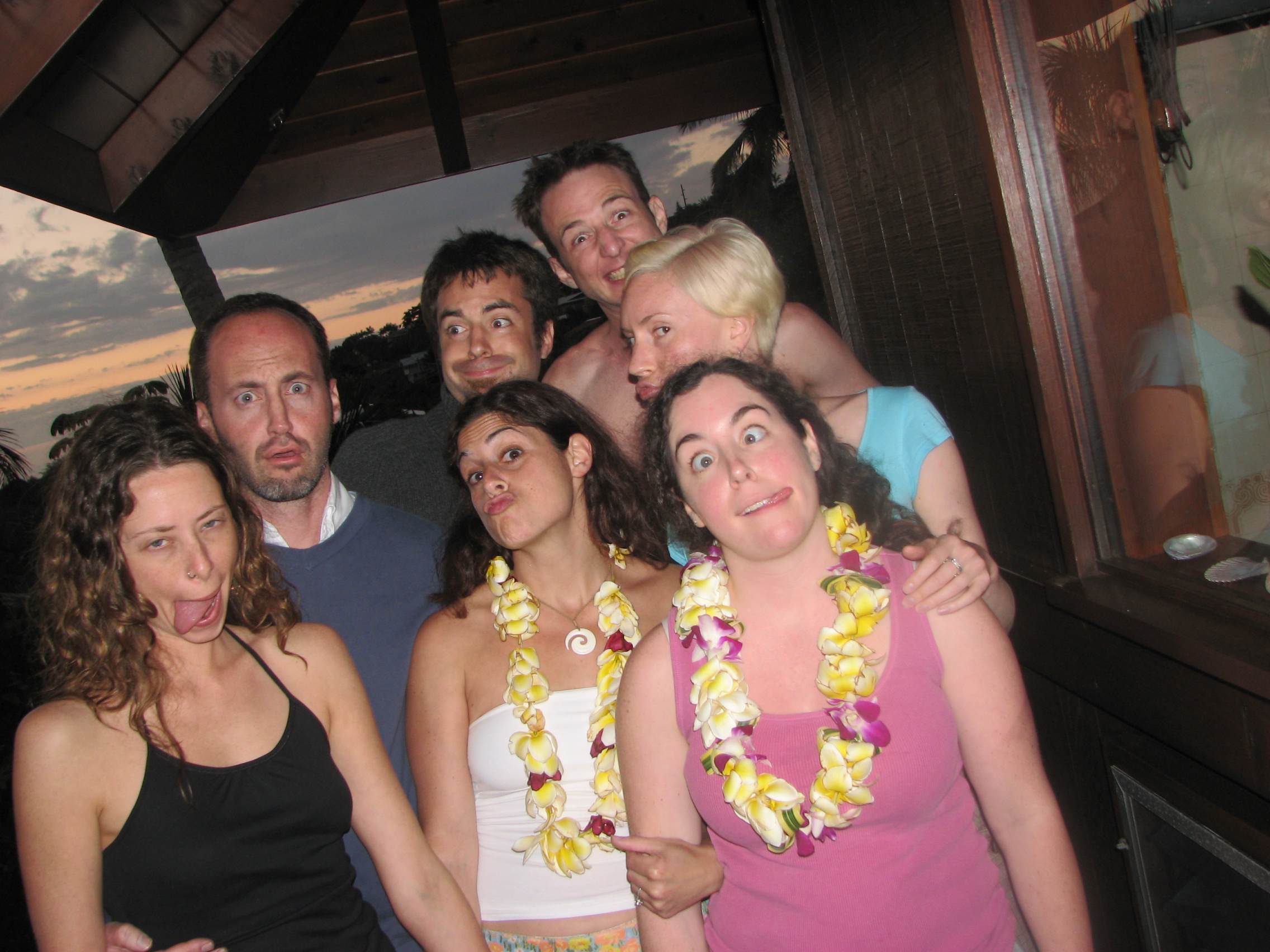
I was talking with a friend the other day, who marveled at how her whole friendship landscape had changed after having kids. She said, “I have three kinds of friends now: Those who no longer call me, those who treat me exactly the same as before I had kids, and those who now have kids of their own, so they get it.”

Sure, we might find the rare childless friend who actually gets how much support parents need and how little we get, who says, Hey, I was just going to read a good book tonight, why don’t I come over and babysit so you can have a night out? Or, the kid-at-heart who calls and spontaneously suggests you and your family hop on out for a jaunt to the zoo or seaquarium.

But mostly, after we become parents, our old friends keep going on about their business, and we either follow along, or drop out of their consciousness.

How do we keep those friendships alive, and nurture the parts of us old friends remember and reflect back to us? No matter how much we love our families, no one will ever elicit quite the giggles and nostalgia that a friend from ten, fifteen or twenty years ago will.

Here’re some ways to keep breathing life into those precious relationships:

1) Tell your childless friends about the reality of your life. Suggest things to do that you love in ways that now make sense for you.

“I would love to go on that four-day, seven hundred dollar spa retreat two states away, but I can’t afford the money or the time away from my family. How about a pedicure Sunday morning?” Some of my friends have responded by turning their own events into child-friendly ones and inviting other families with children. This makes it so much easier!

Continue reading “Four ways to keep old friendships alive after kids”

Serve-yourself snack gives you more freedom

In the Montessori classroom we have a LOT going on. Twenty-four kids are doing individual and group activities, the head teacher is demonstrating activities, and the assistant teacher is available to help kids when they need a hand.

So, when it comes to serving snack, the more the kids can help themselves, the better. This is true at home too. I mean, how many times have you been happily folding a load of laundry when your three year old whines, “Mommy, I’m huuuunnggrryyy.”

Here’s the solution! If you put out the necessary ingredients for a healthy snack on a child-sized table at say 9am every morning (or at 3pm if your kids are more hungry in the afternoon) your children can serve themselves whenever they’re hungry. This promotes independence while ensuring that your kids are eating a nutritious snack AND you don’t have to get up from your own work to serve them. Continue reading “Serve-yourself snack gives you more freedom”

Cooking with kids: How preparing food for ourselves and our families contributes to everyone’s well-being.

I used to despise spending time in the kitchen. I didn’t like doing dishes, I didn’t know how to cook, and I preferred microwave meals to home cooked ones. Wow! Have things changed. Now I buy lots of fresh organic produce, free-range meats and eggs, and I enjoy coming up with new interesting creations and cooking traditional foods. And for some reason I want to put cumin on everything.

Thinking back, I can identify a couple of things that produced the shift for me. First, I read “Peace is Every Step” by Thich Nhat Hanh. There’s a passage where he talks about enjoying the present moment even in the mundane activities of life like washing dishes. I immediately began to ENJOY doing dishes! I luxuriated in the warm soapy water and felt a deeper sense of accomplishment than I ever could have anticipated from the simple act of doing dishes.

And then I moved in with my husband to be (we’re getting married in 6 weeks!). As soon as I moved in with him I noticed a strong desire to learn to cook welling up in me. I wanted to feed us delicious, nutritious foods.

So, I began to learn the art of cooking. It feels a little funny to be writing about cooking since I’m still so new at it, Jill is the real chef of the two of us. But what I do bring to the table is the ability to modify cooking activities into interesting and age-appropriate activities for kids of all ages.

Think of your child as the apprentice chef in your kitchen. Continue reading “Cooking with kids: How preparing food for ourselves and our families contributes to everyone’s well-being.”

Nine ways to exercise with children

Have you been lamenting your lack of exercise? Thinking back on the days when you used to get to go to the gym, or run around your neighborhood or swim laps at the pool? Kid time is sometimes almost all our time—and the kind of “running around” we do with them doesn’t always feed our body’s need for vigorous (or gentle) and sustained exercise.

Here are some of the ways I’ve found to bring exercise back in, with activities that you and your kids both enjoy, and that give you the added benefit of that exercise you’ve been craving to round out your life, keep you physically fit, and elevate your mood. You can adapt these suggestions to your mobility level.

1. Go for a long walk outdoors. People who walk in nature report that they feel happier after a walk in the woods than they did when they started. Find a trail where you can both walk, or where you can walk and push a stroller, or where your child can run, or scoot on a scooter (a great way for them to develop coordination). A brisk walk can revitalize your and your child’s circulatory system, and a controlled dose of sunshine will do you both some good. If it’s cold, bundle up. If it’s raining, throw on ponchos.

2. Play chase. Pretend you can’t catch your child, so they can feel powerful. Then run away from them and let them “catch” you. Before you do, you might be able to run several laps around them. Depending on how long their energy lasts, you might be able to get in a good aerobic workout.

3. Go for an actual dedicated run with your child around a local track.  If you have an infant or very young child, you might be able to run pushing a stroller.  Or, if your older child runs slower, you can run circles around them, and make a game out of it. In this case, your goal will be to keep up your own pace. You can talk with them beforehand about your goals, for example, “I want to run for twenty minutes. You can run with me, let me run around you, follow on your scooter, or stay on the side where I can see you and play with your toys and books.” Did I mention it helps to bring toys and books almost anywhere? Continue reading “Nine ways to exercise with children”