
The art of surrender

surrenderParents are the ultimate experts on the art of surrender.  You have to be.  If we didn’t surrender to the reality of our lives as parents, we’d be miserable and struggling constantly!  Instead, we learn to go with the flow, relax and let go, and accept what is.  Before I was pregnant I never realized how soon this process begins.  But during the first few months of pregnancy when I was nauseous unless I was constantly eating protein, I realized that I was in practice mode for parenting already.  I had to let go of my own desires and eat what my baby needed.  And at first I felt I was forced to surrender.

As my pregnancy has progressed, I’ve become more artful in my ability to surrender and accept what is happening to my body and what will soon be happening to my life and to my priorities.

I’m taking a fabulous birthing class called Hypnobabies in which I’m practicing self-hypnosis to help me be more relaxed and comfortable during birth.  As a part of my homework I listen to pregnancy affirmations every day that say things like, “I completely accept my pregnant body.” And “The changes in my body are beautiful.”  Boy am I grateful for that CD!  Without it, I can imagine myself feeling upset every time I grow a size, or whenever someone says, “Whoa!  You’re ONLY 5 months?  You’re HUGE!”  But with my daily affirmations, I’m much better able to surrender, accept, and enjoy the process of giving over my body to pregnancy and to nourish my healthy baby.

And to any bio moms out there, I KNOW you’ve experienced the surrender that comes with motherhood, simply because you’ve been through the process of birth.  No matter what your birth experience was, I’m certain there was a moment when you realized that there is no turning back, no choice, only surrender into what must happen next.  And from what I’m learning about birth, I’m betting that the better you were at relaxing and letting go, the smoother and easier your birth was.

What a great way to prepare for parenting during infancy, toddler-hood, childhood, and the teenaged years!   Sometimes I’m amazed by how perfectly nature prepares us for what’s to come.

Some of my first memories of the beauty of surrender came during my own childhood as I watched my mom and step-dad have an argument.  Continue reading “The art of surrender”
“Have to?” Are you sure about that?

I’m gearing up for a five-day retreat in which I’ll study Nonviolent Communication Mediation intensively. As many of you know, I work as a mediator and Shelly and I use the insights of Nonviolent Communication, based on the work of Marshall Rosenberg, in our work here at Awake Parent.

One of my favorite insights, or, “reframes,” as my girlfriend likes to call it, is taking the phrase “I have to…” and rephrasing it as, “I choose to…because I want…” So, for example, “I have to go to this stupid job I hate,” might become something like, “I choose to keep this job because the salary affords me things I want and need, like health insurance, and the peace of mind that comes with knowing I have reliable income.” Continue reading ““Have to?” Are you sure about that?”

Serve-yourself snack gives you more freedom

In the Montessori classroom we have a LOT going on. Twenty-four kids are doing individual and group activities, the head teacher is demonstrating activities, and the assistant teacher is available to help kids when they need a hand.

So, when it comes to serving snack, the more the kids can help themselves, the better. This is true at home too. I mean, how many times have you been happily folding a load of laundry when your three year old whines, “Mommy, I’m huuuunnggrryyy.”

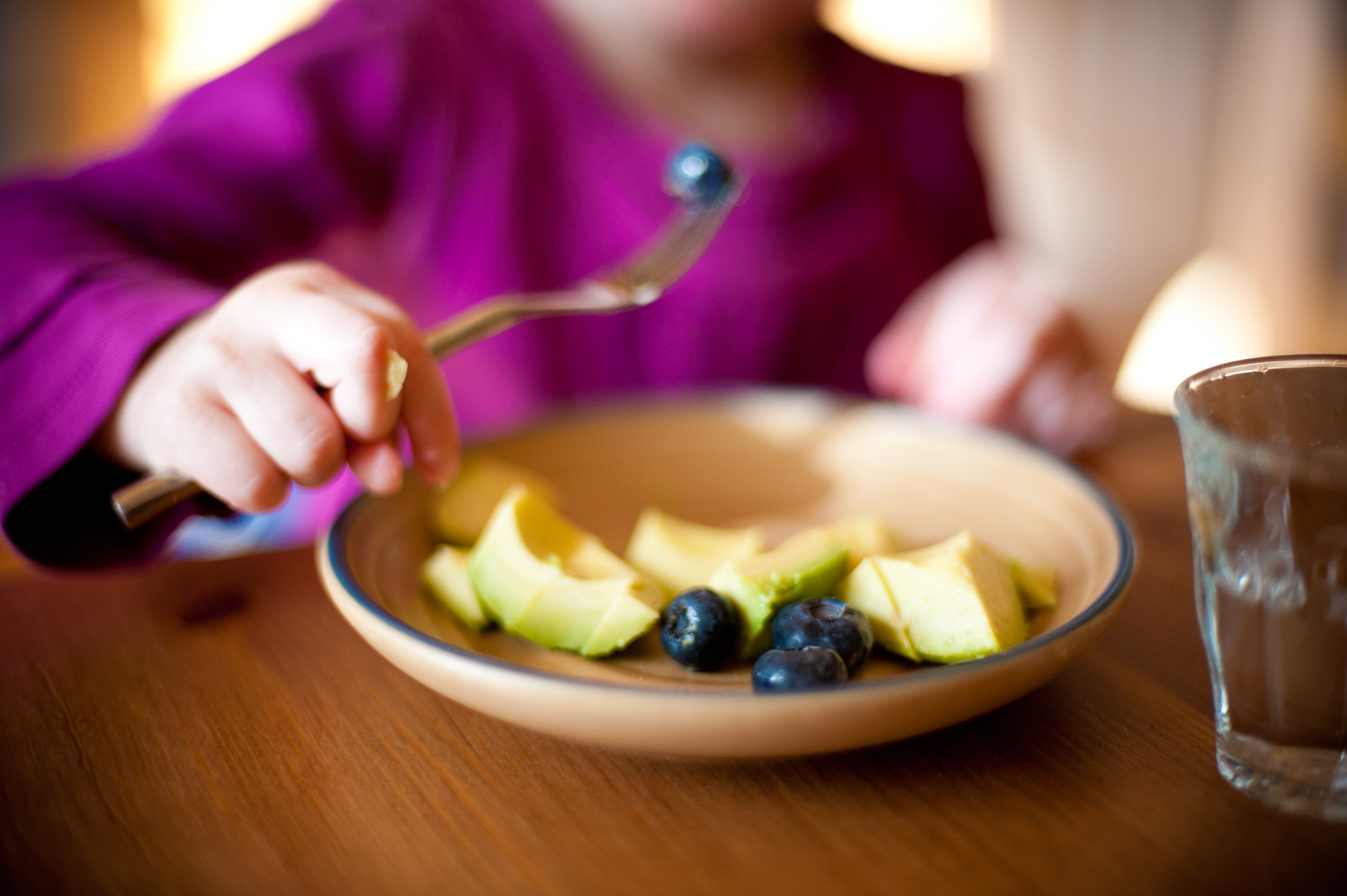
Here’s the solution! If you put out the necessary ingredients for a healthy snack on a child-sized table at say 9am every morning (or at 3pm if your kids are more hungry in the afternoon) your children can serve themselves whenever they’re hungry. This promotes independence while ensuring that your kids are eating a nutritious snack AND you don’t have to get up from your own work to serve them. Continue reading “Serve-yourself snack gives you more freedom”

I had kids eating lima beans like they were candy.

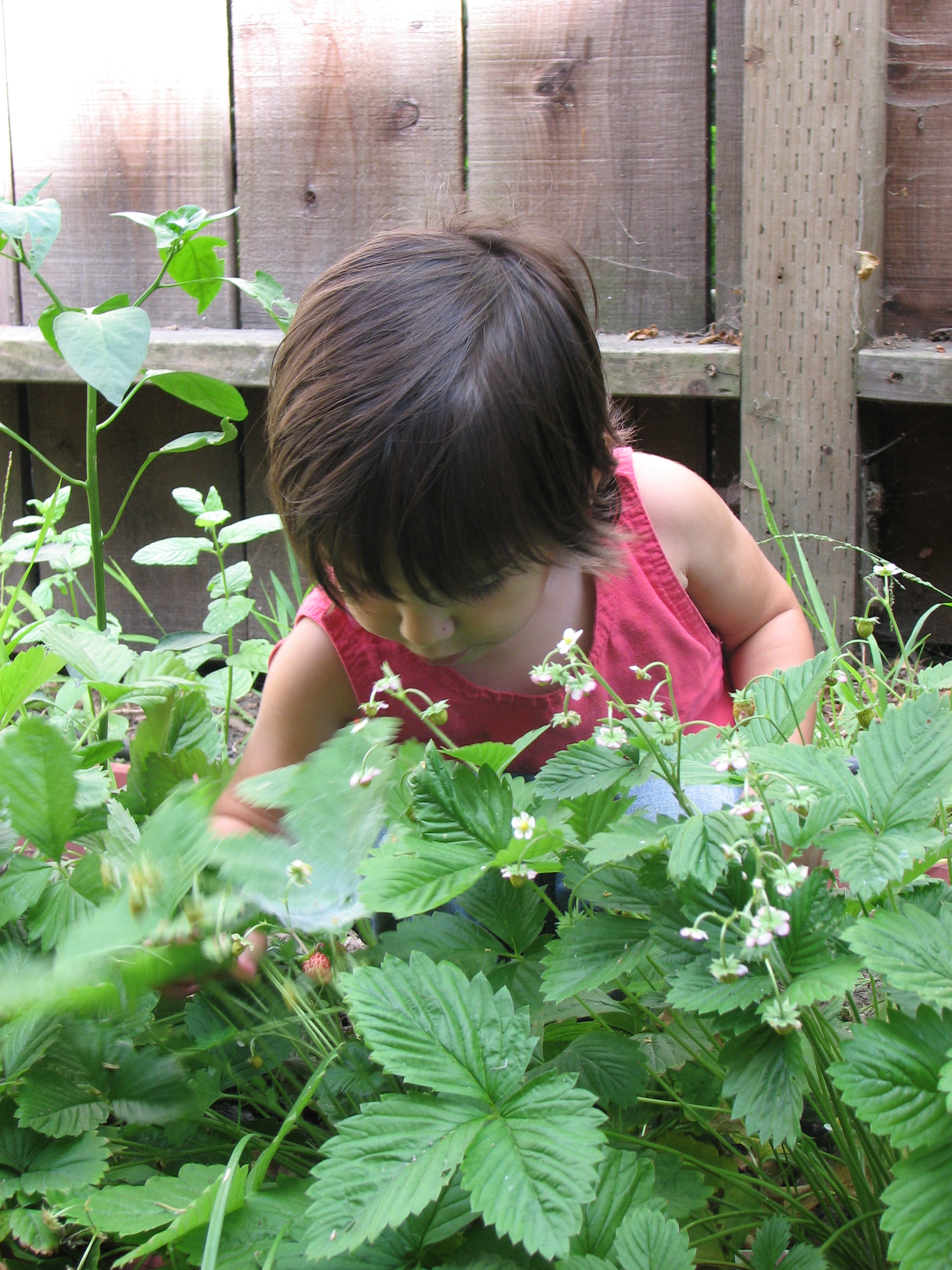
I guess I just like watching things grow.  There’s something about planting a seed, watching it grow, bloom and produce fruit that gives me a sense of comfort.  I enjoy watching the progression from cotyledon to true sets of leaves, then pollination, and fruit.  I like tending my plants daily, making sure they’re well watered.  I even like watching the leaves wither and the seeds fall to the ground.  It’s the cycle of life, the ever-turning wheel of almost constant change.

I like to nurture things (and I’m guessing you do too!)  And I’ve found there are quite a few children who, if allowed, can become devoted to growing a bean plant (which will sprout in a wet paper-towel for goodness sake) or daisies, or pumpkins, or all three and more.

By fostering their interest in gardening you can enjoy time together tending the vegetables.  This can meet your needs for peace, nurturing, and beauty while it meets your child’s needs for learning, discovery, and understanding where food comes from.

I’ve seen children hunting and cataloguing insects and birds they find in the garden.  Digging for worms to examine.  And I’ve seen them clamoring over a newly ripe lima bean, deciding among themselves some of the time and coming to me to mediate other times– who gets to eat the delicious bean today?  I’m not kidding you– in our garden, at Berkeley Montessori School, the ripening of the lima beans was Shangri-La.

We grew carrots, lettuce (but sometimes the deer or rabbit ate it), kale, lots and lots of flowers.  Flower arranging was one of the most popular activities in our classroom.

Don’t even get me started about apple season.  We ate apples, cooked with them, watched the squirrels eat them, and used them in art projects.  I wish every child on earth could have an apple tree.

When I was little, we had a cherry tree.  It was my sweet delight, my haven, and a source of some concern, what with cherry trees growing out of people’s ears— or at least that’s what they told me would happen if I swallowed the pit.

I did eat so many cherries I gave myself a stomachache, but then I learned my limits, and just ate a few less. I can never remember anything more than curiosity and gentle suggestions from my mom that perhaps I’d had enough cherries.

Maria Montessori said that all children have an innate desire to learn and grow.  I’ve seen that truth so clearly in my years working with young people.  They’re voracious learners.  The just need some stimulation– something to tend to– you know, a job (or their “great work” as we liked to call it).  Otherwise known as a purpose.  A garden can be just the motivation some kids need to take interest and responsibility.

So, this thing keeps happening in everything I write lately– I start off on one topic- gardening, and I end up on another– a child’s purpose.  But then again, for your child this could be the same thing…  I mean if my purpose is to nurture and support families, couldn’t his just as easily be to grow things?

So, here’s what I’m really saying– grow a garden if you and/or your child would enjoy that.  And whether or not you grow a garden this summer, help your child find a new way to grow into his purpose– whether his purpose is to learn new skills, tend a garden, take care of animals, or whatever!  If it lights him up, encourage him.

In a couple of weeks I’ll write more about how to encourage your child’s desire to cook and prepare food!  You might not be the only one who loves to prepare nutritious and delicious meals for your family.

With love, Shelly

Oh, and I’d love to hear what you think.  Please leave a comment in the box below.  Thanks!

Got a wild child? Give ‘em more responsibility!

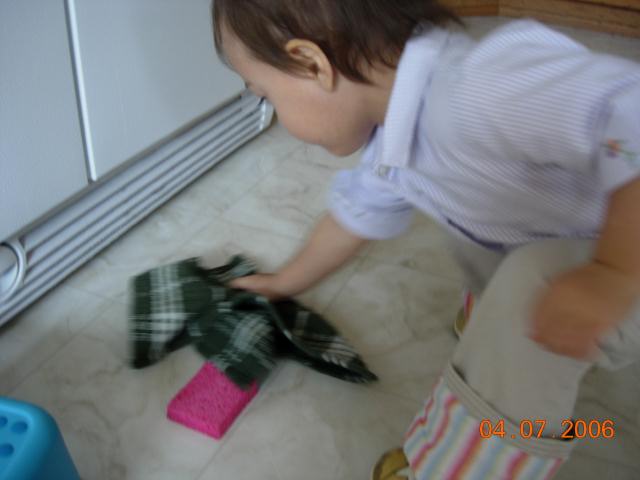
I know it sounds counter-intuitive, but working in preschools has taught me that when kids act out, it’s often because they’re bored and want attention from us. I’ve noticed that when I give these kids MORE responsibility, jobs to do, and tasks to complete (without being too ATTACHED to them actually accomplishing the task) they respond by becoming more driven and successful.

This creates a positive cycle in which:
1) You notice some behaviors you don’t like.
2) Rather than focusing on those behaviors, you offer alternatives in the form of tasks, jobs, or responsibilities (careful here though, these must be tasks that would be nice to have done, but which are true requests- not demands). Continue reading “Got a wild child? Give ‘em more responsibility!”