Why Are Americans So Freaked Out By Nudity?

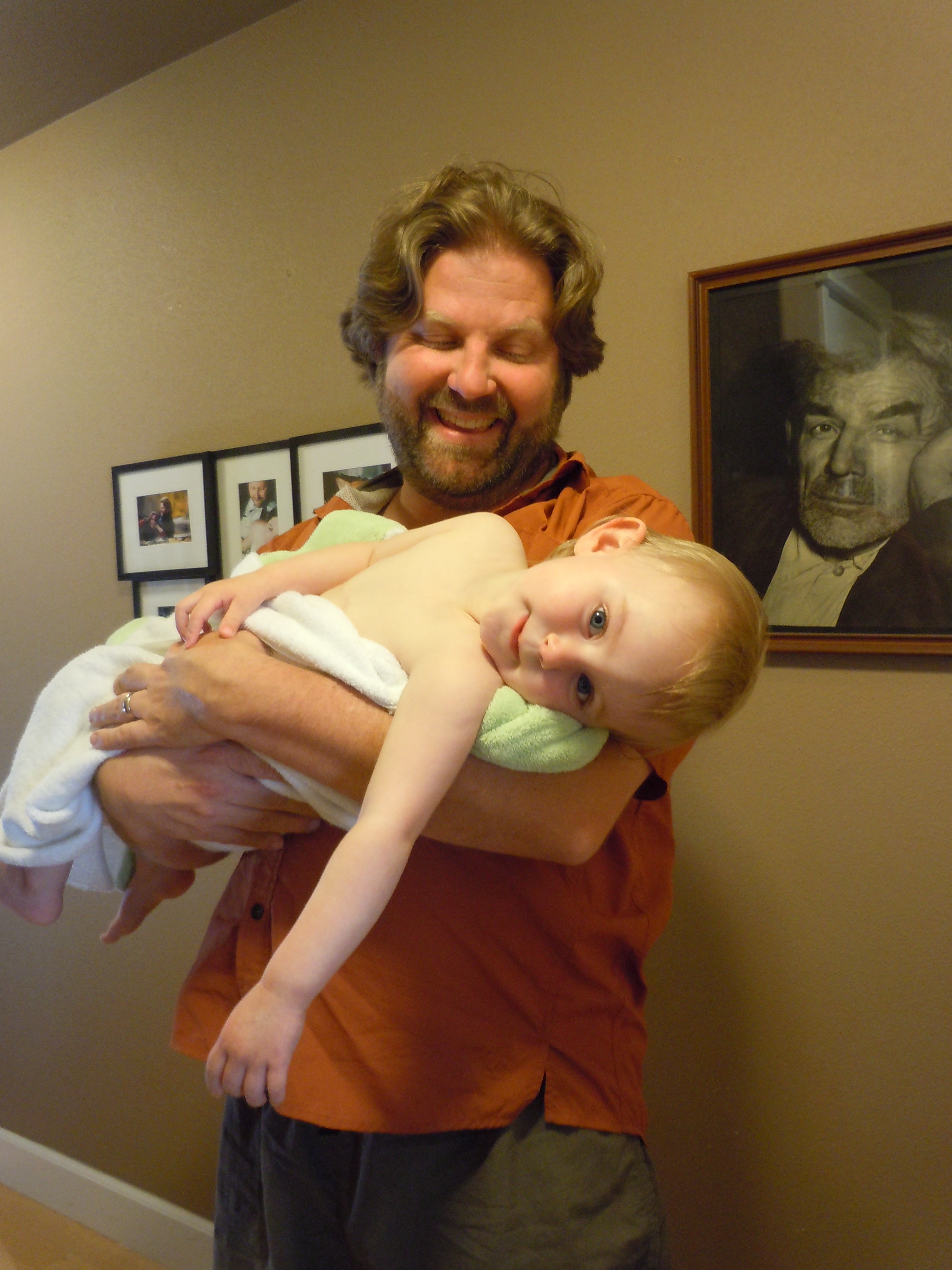
I was on Facebook yesterday and I saw this article about a man who is being charged with child pornography because he had videos of his naked children on his phone. He didn’t send them to anyone. From what I read, the content sounded harmless. And the only reason the videos were discovered was because his phone broke and the technician was transferring his photos and videos to his new phone.

I think we’ve taking “protecting children” a bit too far in this case. Yes, sexual abuse of children is a real problem and deserves a swift response. But since when is taking a video of your children dancing naked, considered pornography?

To me, this seems to indicate a real problem we Americans have with nudity in general. Does nudity equate pornography? I think most Europeans would agree with me on this one, the answer is no. Nudity is just that, nudity.

There is nothing lewd or lascivious, obscene or indecent about a naked body. The human body is beautiful, functional, and something to be celebrated. Is the prevailing attitude a vestige of our Puritanical roots?

Interestingly, children aren’t born with the need or desire to cover their bodies. They don’t feel ashamed of their arms, legs, heads, or groins. At least not until they learn that bodies are something to be ashamed of and that hiding our “private parts” is the socially accepted norm.

We’re in the midst of toilet learning at our house and my daughter seems to be more aware of her need to use the potty when she has nothing on from the waist down. And since we’ve always used cloth diapers, I can understand her confusion. When she’s wearing underwear it feels just like a diaper, so she just goes. But if she’s half nude, she runs over to her potty saying “I have pee in my bladder!”

So, I’m introducing underwear slowly and trying to minimize the time she wears it so that she can remember not to go in her underwear. It’s working! She’s able to go longer and longer in her underwear every day and keep them dry.

Luckily, no one in our immediate family has a problem with a two year old running around half clothed. And I do sometimes put her in a dress so that it’s not so obvious that she’s going commando. But this article frightened me. What if my husband takes a photo of my daughter doing something cute and she happens to be pants-less? Will he be arrested for child pornography too?

Certainly we’ve established clear boundaries and guidelines for our whole family and no nude pictures will appear on Facebook or be sent via phone to other family members (although, now that I think of it, I do remember sending my brother a cute bath photo a few weeks ago, oops!).

But with all this new technology that makes taking videos and sending them to friends and family so easy, we’re bound to run into these situations more and more. And I’m curious about how we as a culture will handle it. Will we continue to equate nudity with obscenity? Or can a bare bottom just be cute?

What do you think? And how do you handle these situations in your family?

Have a wonderful week, Shelly

More Compassion for Other Moms

Parenting is one of those topics that we all feel very strongly about. I mean, our kids and their well-being is at stake, right? So, of course we’re going to be opinionated about what’s OK and what’s not OK. The problem with this is that it alienates other moms who, after all, are just like us, trying to do their best to care for and support their kids.

I think we can connect with other moms and dads and support them even if their parenting style is different from ours. Well, maybe not if it’s TOO different 🙂 but you know what I mean. I am an attachment parenting, cloth diapering, elimination communication, extended breastfeeding, Montessori at home, work from home mom who uses positive redirection and gentle discipline rather than punitive discipline. But does that mean I can only be friends with parents who are exactly the same as me? No way!

I have plenty of friends who breastfed a little or not at all (for various reasons), or who use disposables or who give their kids a time-out once in a while. And, although they might not talk about it much, I’m sure I have friends who yell at their kids. In fact, *gasp* I get frustrated and yell sometimes too! And I think that’s really the key to having compassion for other moms.

Being able to put myself in another person’s shoes, allows me to understand why they might choose to do things differently. I wish more moms would practice compassion with each other. Because, really, we’re all doing the best we can from where we’re at in every moment. We are all using whatever parenting tools we have access to. We have different schedules, different resources, and sometimes even different cultural beliefs.

The truth is, we actually have no idea how sleep deprived or hungry or stressed out that mom at the grocery store is when she stuffs a candy bar in her child’s face just to shut him up. And we don’t know what happened BEFORE the huge tantrum the little girl in the next aisle is having. I guess I just wish we could all take a breath and remember that no matter what’s happening, we’re all doing our best.

Because criticizing, judging, and shaming other moms is NOT helping. Do we really think that a mom is going to stop spanking her kids because we shame her for it? I don’t. I think that a lot of moms who spank are simply out of other ideas and resources in that moment. Many of them would LOVE to figure out a better way to help their child, but they aren’t able to think. Instead, they just need the behavior or the screaming or the hitting to STOP, so they do what their parents did to them. They spank. I can understand the impulse, even if I will never engage in the same behavior.

So, if you have a friend or family member who is a little bit different from you or who treats her child in a way you don’t like, try CONNECTING with her instead of judging her. Get CURIOUS about what’s happening for her and try to understand where she’s coming from. Nonviolent Communication by Marshall Rosenberg is an excellent resource for developing compassion and understanding. Go to http://www.cnvc.org to find out more about NVC.

And for now, just take a moment to try to understand someone you’ve been judging. Consider the possibility that they really are doing their best. And remember that none of us is perfect; we’re all just doing what we need to do to move from this moment into the next. Let’s choose to help and support each other to continue to learn and grow, rather than shaming each other for making a different choice. Let’s make a pact to have MORE COMPASSION FOR OTHER MOMS! Because when we can show compassion and understanding to people who are different from us, then we are REALLY modeling love and peace for our children.

Oh, and one more thing. When our children see us accepting others who are different from us, they also learn that it’s OK to BE different. Children will feel much more secure in our love for them when they see that we are able to be kind and caring to those with whom we disagree.

What do you think about this? Please leave a comment below and let’s talk more about this hot topic! Warmly, Shelly

New Parent Social Isolation

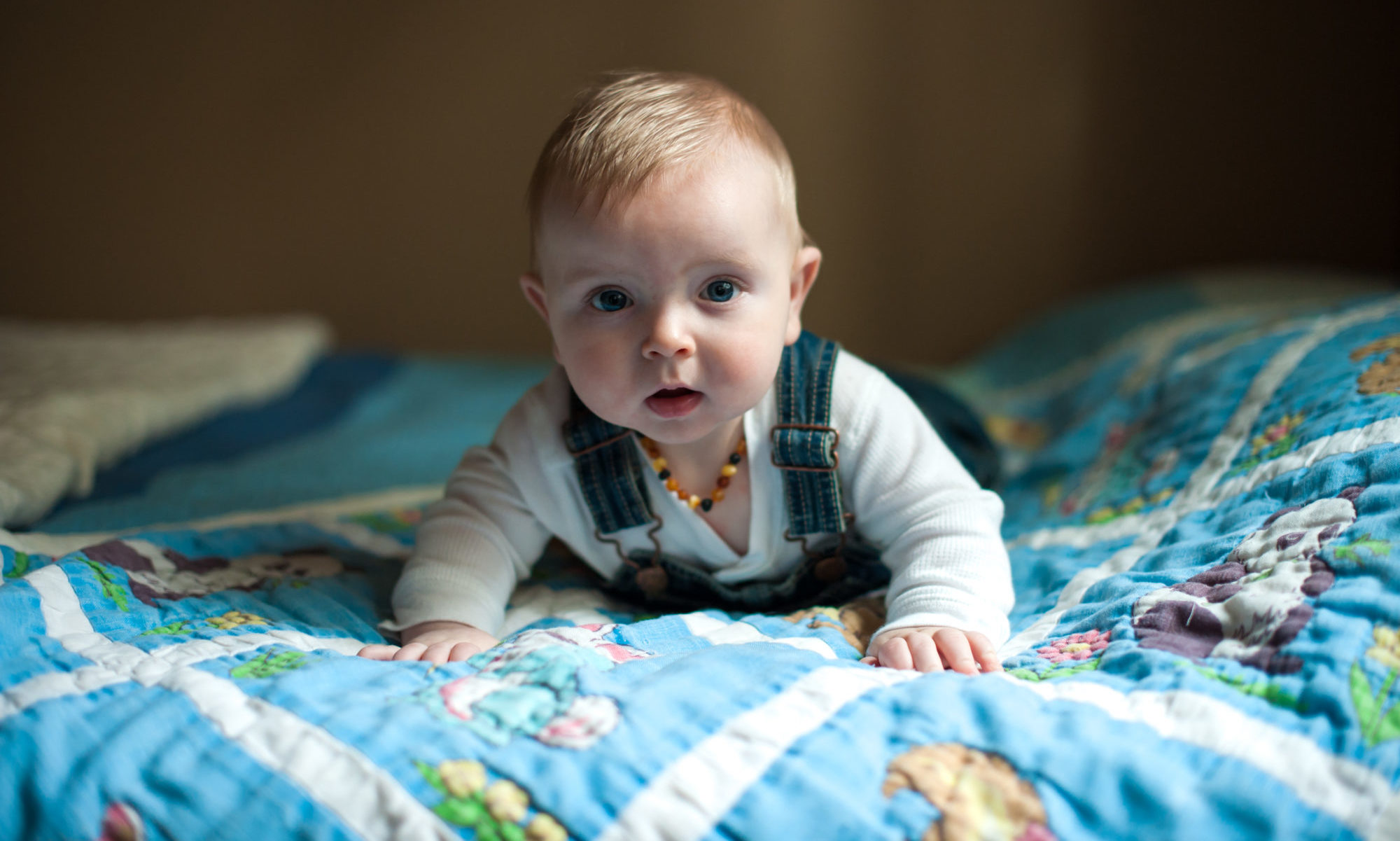
Wow, I feel like I’ve recently emerged from a long winter’s sleep. My daughter is now 15 months old and suddenly in the past month or two I’ve realized how utterly socially isolated and disconnected I’ve been. I’ve barely talked to my dearest friends, I haven’t been out of the house much at all, and I definitely haven’t been outside of my comfort zone.

And I think all of that is perfectly OK and natural for a new parent. It’s a lot of hard work to nurture an infant and it felt perfectly right for me to throw myself into motherhood so fully and completely. But now that I’m emerging from the haze of my daughter’s infancy I’m reminded that it’s my commitment to my highest values that will most positively impact her life.

So, if I value authentic relating and community, then I’d better step up and start acting like it again! After I gave birth to my daughter I was amazed at how little anything else mattered any more. It was like everything that had mattered the most in my life was reduced to a tiny sliver of importance and my daughter took up 99.9% of everything that mattered to me. I can feel that shifting now.

Sure, my family is HUGELY important to me. And nurturing and supporting my husband and daughter are some of the things that matter most. But there’s a new space opening up in me that still cares about the things that mattered BEFORE parenthood. Community. Authenticity. Honesty. Facing my fears bravely. Showing up BIG in my life. Fiercely supporting my clients to make big changes in their lives.

I’ve been gone for a while. I’ve been doing what I’ve needed to do to lay a strong foundation of love and trust between my child and me. But I’m ready to step out of my comfortable little nest and make an even bigger difference in the world. It’s important to me that I continue to learn, grow, and stretch. Because reaching out and challenging myself gives me a sense of purpose and joy. I also deeply want my daughter to live a passionate and inspired life. And I know that the best way to ensure that is to model it for her, myself.

So, fair warning, I’m about to bust out and share even more of myself with you and with the world. Goodbye ‘New Parent Social Isolation’ and Hello World!

I would love to know if this was your experience of the first year of your child’s life. Did you hibernate? And was there a time when you suddenly felt ready to re-engage socially? I want to hear your story!

Tons of love, Shelly

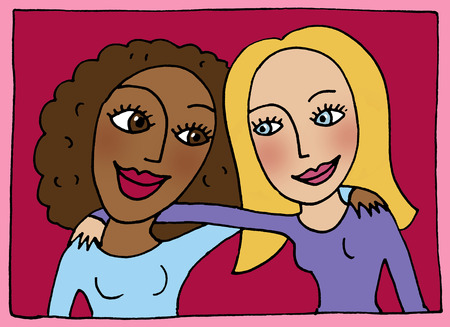
Having friends could save your life!

The New York Times published an article this week (July 2010) about the importance of having a social network http://well.blogs.nytimes.com/2010/07/28/a-new-risk-factor-your-social-life/ Apparently, the study shows that having strong social ties decreases your risk of dying by 50%!  Researches concluded that not having a social network can be as dangerous to your health as smoking a pack a day or being an alcoholic.

In the study, strong family ties counted as a social network, but I suspect that the social experiences we get to have with our peers and elders are hugely important.  So, if your only family ties are with your partner and kids, take a moment this week to consider how you can expand your social network to include some fun peer connections.   According to this study, it really could be a matter of life and death.

In my parenting coaching practice, I often work with moms who tell me they just don’t have time to connect with their friends anymore.  They struggle to get in some alone time or a workout here and there or a date with their husband, but they seem to forget that having a conversation with a girlfriend or going to lunch with an old college buddy can be just as important.

I know it’s not easy to connect with friends when your kids are around, but as a nanny, I managed to meet up with a girlfriend who also had a charge a couple of times a week.  We would chat at the park while we watched the kids play, or meet up for lunch and have a very disjointed, many times interrupted, conversation while we somehow got ourselves and the kids fed.  Or we’d walk to the library together and have a whispered adult conversation during toddler story time. Continue reading “Having friends could save your life!”

Parents: Eight ways to party like it’s 2009!

This article is the fifth in our Whole Life Parenting series, which offers practical tips to meet the needs of both parents and children.

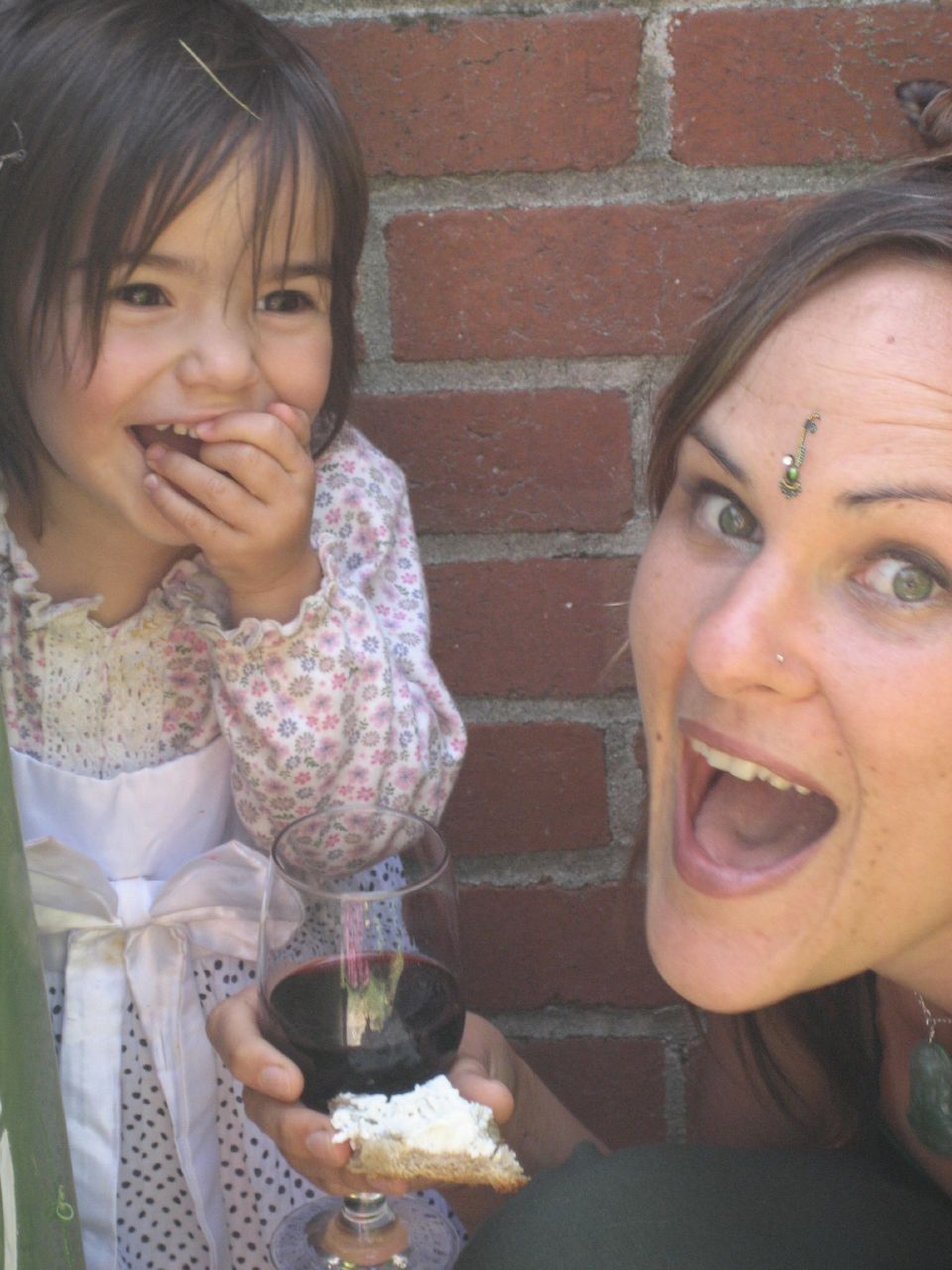
Not too long ago, I went to the party of some friends. Small children buzzed, hooted, rolled, walked, cried and ran around throughout the whole party. The host said, It’s amazing how the parties have changed over the years as this group of friends has had children. We’ve just opened up into a kid-friendly space.

This, I think, is the key to having a great time at party when you have kids around—think of it as a kid-friendly space where you also get to have some grownup time—more mindful grownup time, perhaps than before you had kids, but grownup time nonetheless.

Here are eight ideas for creating parties that meet both young people’s needs and adult needs:

1. Cluster ages, mix genders. Try to invite clusters of kids close to the same age, and a mix of boys and girls. An odd child out can wind up getting left out of the social activity, or not treated as warmly as the others. Kids close to the same age will organize themselves into self-directed play. Mixed ages can also work well when older kids help supervise the younger kids, and younger kids get to look up to the older kids as role models.

2. A little bit of kid-friendly goes a long way. If you plan an activity or two just for the kids, one or two adults can supervise while the others get to interact with each other. For example, last Chanukah, I had the kids cut out cookies. After I baked them, I put the cookies and decorating supplies in a big tray, and the kids occupied themselves decorating the cookies while the grownups got to schmooze.  We always keep a kid-sized table with a box of art supplies and paper in the living room, plus a barrel of toys, so our young visitors can entertain themselves if the grownup talk gets too boring.

3. Rotate supervising grownups. Depending on the ages of the kids, you might be able to get away with rotating the supervising grownup. This often happens naturally, but it can’t hurt to ask ahead of time if folks would be willing to take a short shift supervising the kids so it doesn’t all fall on one parent.

4. Find an enclosed space, whether natural, or human-made. An open space, such as a park in a valley, or a field surrounded by a fence or forest, can provide kids with an exciting play environment, as well adults with peace of mind that the kids won’t encounter traffic.  And sometimes it’s just nice to get out of the house and commune with nature while you socialize.

5. Create a staggered party. I have held and attended a number of these. Basically, the set up is, create some specifically kid-friendly time for part of the time, followed by a transition time, followed by grownup time.  For example, you might have a weekend barbeque with 4:00 p.m. to 6:30 p.m. as designated child-friendly time, and set up your space according to some of the ideas above. Let the focus be on the kids during this time, so they can get play hard, eat well and get ready to go home. 8:00 p.m. could begin the adults-only time, and the intervening period can serve as transition. This way, guests can choose to come to either one or the other party segment, or get a taste of both by staying for the transition. Some guests might even choose to take their child home and then return.  Others might put their child to bed in an extra bedroom and continue to party!

6. Set up separate kid space. Though this doesn’t work equally well in every space, some families are fortunate enough to have a space big enough where kids can hang out separately from the adults. I went to a party where a friend had converted her attic into a playroom, and her babysitter hung out with the kids while we parents had some adult time downstairs. We all chipped in for the babysitter at the end.  Babysitting can also be a great way to get older kids involved, who might otherwise be bored or tempted toward something not good for them. It’s also a chance for them to earn a bit of money.

7. Plan a party with activities both kids and adults can enjoy. Costume parties with dancing, pumpkin carving, barbeques, henna or face-painting, music and food are all things people of walking and talking age can join in, at least on some level. There are lots of ways to cut loose without a drop of alcohol, so adults can have fun while still keeping a clear head for the kids.


8. Revel in the freedom of kid-friendly space. When we put kids at the center of our consciousness, tune into them, and follow their lead, we actually get a chance to drop some of the adult rules. We get to be silly, get muddy, act nonsensical, run around and maybe even get more exercise than we would if we “acted our age.” This kind of permission can renew our spirits in ways we might not even realize we missed if we don’t take the opportunities.

As a parent, you don’t have to give up having parties, and not all your parties need take  children into consideration all the time. Certainly, life with children will never be the same as before you had kids, but with a little planning, vision and intention, you can enjoy your children, and have social time with adults.

How have you been partying, if at all? Please let us know in the space below.

Party on,

Jill