
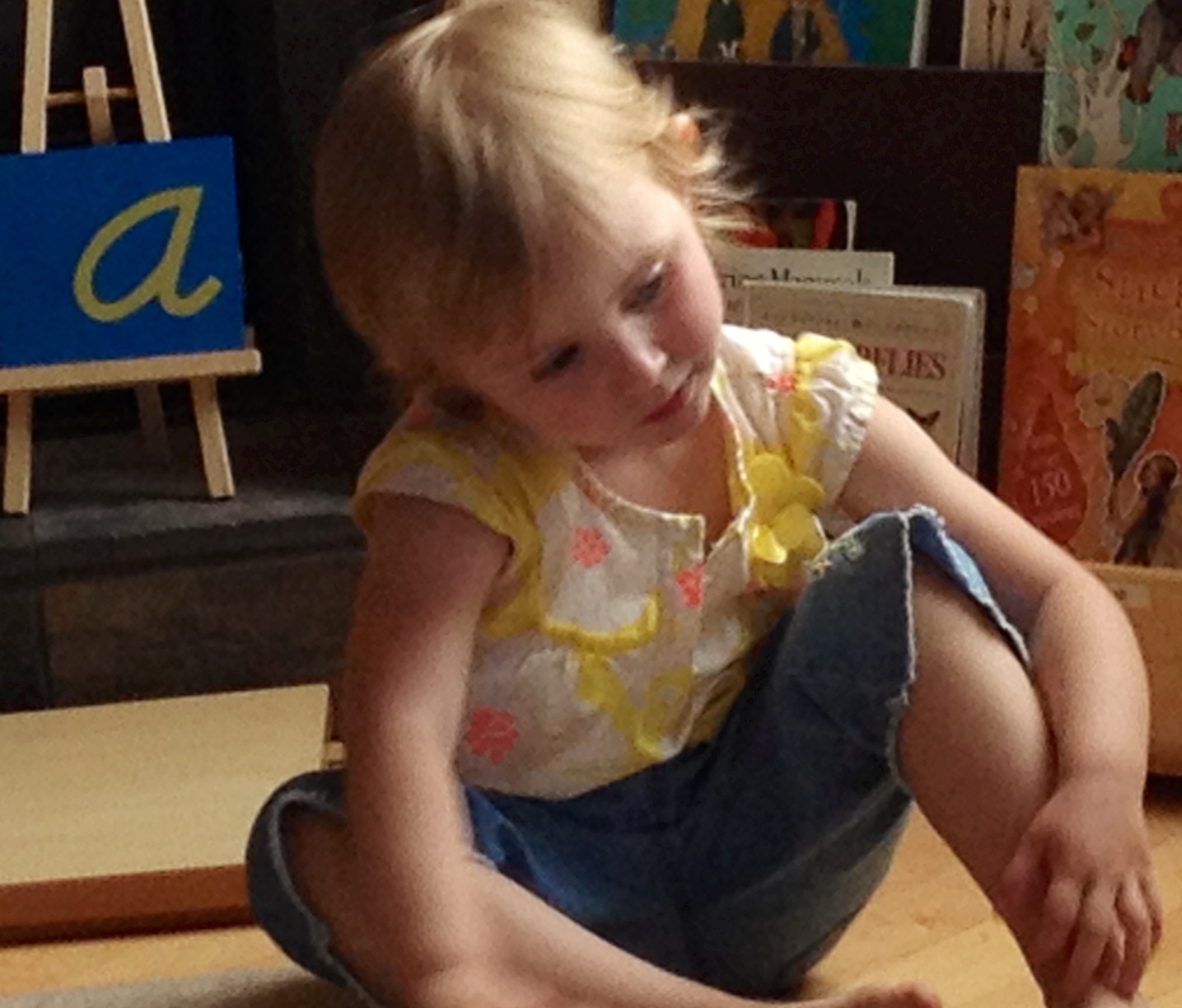
8 Ways to Help Kids With Anger

Emotion regulation is one of the biggest challenges children face. Heck, emotion regulation is one of the biggest challenges anybody faces! So how can we help kids learn to feel, express, and experience their emotions in a healthy and productive way? Joy and happiness are easy to encourage and enjoy. But when kids feel frustrated and angry, it can be difficult to hold space for them and help them ease back into a regulated state without minimizing or squashing their emotional expression.


So here are my 8 ways to help your child with anger:

1)   Reflect—

“It sounds like you’re feeling frustrated…is that right?” or “It seems like you’re still upset about that, are you?” are great conversation openers. Instead of asking a young child how they’re feeling, try guessing his feelings and then check in to see if you’ve guessed correctly. This helps kids to more correctly identify their feelings when they’re in the midst of them since thinking of the right words can be difficult when we’re emotionally activated. But do be careful not to simply assume you know what’s going on. It’s important to check in and ask so that our kids know that we’re tuning in and curious, rather than forcing our own ideas about what’s going on upon them.

2)   Listen—

Instead of offering advice or suggestions, first, simply listen. Rather than asking questions or telling stories about how much you understand what they’re going through, just breathe, relax, and feel your heart as you get down on his level, make eye contact, and listen to your child.

3)   Empathize—

Focus on the feelings and their underlying needs. For instance, “Are you feeling frustrated because you need some space from your brother?” or “Are you feeling upset because you need my attention and I’ve been unavailable?” By noting the need underneath the feelings, you’re helping your child (and yourself!) to better understand what’s happening and how to help herself avoid a future incident.

For instance, when kids understand what they’re needing, they’re more likely to be able to ask for it! And when you are able to connect feelings to their underlying needs, you can help your child by prompting her to ask. “It sounds like you’re getting frustrated. What would help? A snack? Some time alone? How can you ask for what you’re wanting right now?”

4)   Hold space—

Sometimes the greatest gift we can give to someone with big feelings is to simply witness them and hold space for them while they express themselves. Of course you do need to make sure the expression is safe for you and your child, but many times, simply being there and relaxing your own body can be a wonderful grounding rod for a child who’s feeling out of control. You don’t need to say anything at all, but if you feel the need, something simple like, “I’m here,” “I hear you,” or “It’s OK to feel angry (sad, upset)” is best.

5)   Offer alternatives—

Hitting people is not OK, but if your child seems to desperately need to hit something, offering a healthy alternative can be incredibly helpful. Hitting a bed, couch, or pillow can be a good redirect for a child who has trouble controlling her body and lashes out at people. Ultimately, you want your child to be able to let go of her anger without needing to hit, but allowing her to hit an inanimate object can be a good interim step on the way toward a more advanced method of processing anger. The same goes for throwing, spitting, or any other unwanted behavior. By offering a healthy outlet, you can help your child learn self-control AND allow her to express her feelings through her body.

6)   Reconnect—

Many children who experience an explosion of anger have feelings about the outburst afterward. Sometimes they feel scared, ashamed, or worried about what happened. Reconnecting after an outburst is a great way to remind your child that you love him no matter what. It’s also a time when he’s ready to hear your reassurances that it’s OK to have big feelings and stories about how you feel angry sometimes too. Tune in to your child’s favorite way to reconnect, whether it’s snuggling, physical play, or some other cherished family ritual. Also remember to respect your child’s time frame as some kids need some alone time to process what happened before they’ll be ready to reconnect with you.

7)   Envision the future—

After the incident is over, talk with your child about how you might handle a future similar situation. During an upset, your child is unable to process any new information and will simply shut down further if you attempt to problem-solve or make suggestions about what to do differently next time.

But later, when the emotions have cooled, you can ask questions and offer ideas about how you can both handle the situation better next time. This helps kids get into the habit of envisioning a more appropriate way to deal with their upset. You might practice some breathing and relaxation techniques, or role-play a similar situation. Be sure to ask your child what she thinks would help and really listen to her suggestions. Children have an innate wisdom about how to help themselves.

8)   Model what you want—

This one might be the most difficult to implement, but it’s also the most important. Children get their cues about how to behave from us. So if we aren’t able to stop ourselves from exploding in anger, we can hardly blame them when they do the same thing. If you’ve noticed that you’re having your own “tantrums” then it’s time to do some self-empathy and begin to catch your upset, and address it BEFORE you’re yelling or breaking things.

You can apply all of the above keys to your own exploration of healthy anger release. And remember, it’s OK to feel angry, it’s how we behave when we’re angry that makes the biggest impact on our relationships. If you feel that your own anger gets out of control at times, I highly recommend seeking professional help. A therapist or life-coach can help you learn how to deal with your own anger in healthy ways and then you can model that for your kids.

One more note on this. Humans have an incredible ability to empathize with others that is helped by special neurons called “mirror neurons.” Simply put, these mirror neurons are activated by the emotions in the people around us and cause us to feel what others are feeling. What this means for your parenting is that the more at peace you are, the more peaceful your children will be, and the more activated you feel, the more upset they will get.

So, if you notice your child getting upset, first try to calm yourself down and then help your child. And trust that if you’re able to maintain your composure, your child will be more likely to regain his composure sooner too.

I know that a lot of these suggestions are easier said than done, but I trust that your efforts in emotion regulation for both yourself and your child will pay off big time. Please don’t hesitate to post comments with thoughts, questions, or other suggestions. I appreciate your participation here!

And have a great week, Shelly

How to Hold Space for a Tantrum and Actually Enjoy Yourself

This morning we made it all the way to the car with everything we needed for the day but for some reason when I suggested that my daughter hand me her lunch box so that she could climb into the car, she freaked. After some tears and some pushing me away and something garbled that I couldn’t quite understand, I did get her to agree to let me lift her into the car seat (which she usually HATES) so that she could hold on to her lunch box the entire time. She cried for a while in the car on the way to school. It wasn’t a complete meltdown, but it reminded me how confusing it is when kids get upset and we don’t know why.

Their emotions are so big sometimes and it’s hard to understand exactly why they’re freaking out.

I think that tantrums are some of the most frustrating, upsetting, and confusing experiences we have with our kids. It’s mind boggling to see how out of control they can become over such seemingly meaningless stuff like whether or not they got to have one more bedtime story. Kids can work themselves up into a frenzy over things that appear to us to be completely mundane and innocuous.

Holding space for big feelings is something I’m passionate about, probably because I wanted someone to do the same for me as a kid. In fact, I love it when my husband, friends, and family members hold space for my big feelings now. It’s a huge gift to be invited to fully feel without being silenced, judged, or convinced out of my anger or sorrow. So I’ve developed five steps to holding space for a tantrum that will leave you feeling more peaceful and connected to your child at the end of a meltdown than you did before it began.

Step 1: Remember it’s not about the blue cup

The reasons for a tantrum can be a varied as the people having the tantrum are but remembering that tantrums are usually NOT about the purported upset and are actually often an excuse to release the tension of the day can help you to remain calm and centered as you hold space for your child.

Some common causes of tantrums are: over-tiredness, hunger, social conflict, and unmet needs for autonomy. Remembering these can help you reflect on how to avoid tantrums in the future, rather than remaining stuck in the confusion of trying to understand why your child (who by now you might suspect is insane) is having such an overreaction to the fact that she got the red cup instead of the blue cup. Yes, the color of the cup really does matter to her. AND she’s using this as an opportunity to release pent up emotions, which is ultimately a good thing.

Step 2: Breathe and relax

Easier said than done when faced with a raging or weeping young person. But when we can relax and breathe deeply during a tantrum, we’re effectively managing our own emotions and helping our kids to regulate too. Mirror neurons in our brains cause us to automatically match the emotional energy of the people near us, that’s probably why laughter is so contagious and why we cry at sad movies.

The good news is that we can use these neurons to our advantage by choosing to remain peaceful during a child’s outburst. Kids are naturally inclined to return to a regulated state if they’re near someone else who is feeling peaceful. So take this opportunity to practice the meditation of equanimity, simply being with what’s so without judging it or pushing it away.

Step 3: Don’t take it personally

This is a tricky one, especially if your child likes to scream things like, “I hate you!” during a tantrum. But if you can remember that your child’s upset is more about his unmet needs and less about you or your actions, you may be able to see that having big feelings is just a normal part of life and it’s not your fault that your child is having a meltdown.

When we can stop taking our children’s big feelings personally, we can begin to offer empathy and compassion without needing to backpedal on the boundaries we’ve just set.

“I hear that you’re really upset and I understand that it’s hard to hear no. I love you and it’s OK to cry as much as you need to.”

Step 4: Celebrate your child’s release

I don’t know about you, but when I’m feeling tense a good cry feels great. I might not enjoy it during the crying (although sometimes I do) but I almost always feel MUCH better afterward. I like to imagine that the emotional system is similar to the digestive system. We take in stimulus, we use what we need for our wellbeing, and we’re left with waste products that need to be expelled. I see crying as one of those healthy waste products of our emotional system.

So the next time your child is having big feelings, try celebrating it. “Oh it feels so good to get that out of your body, huh?” By taking an attitude of celebration you’re doing two things, first you’re embracing your child just as he is, letting him know that you love him no matter what he’s feeling and second, you’re re-framing the experience as a positive one for both of you.

 It’s good to let our feelings out and share them with our loved ones.

Remember, this is the foundation you’re building so that your teenager will eventually come to you with her problems, rather than completely relying on her friends for advice.

Step 5: Connect

Some kids like snuggles after a big cry, others want to be left alone or just have their back patted, still others might enjoy sitting quietly and reading a book together. By learning what your child likes after a big release, you can offer it and reconnect lovingly with your little sweetheart.

I’ve noticed that when my daughter is really upset, there’s a part of her tantrum where she needs space, and then toward the end, she comes over to me for a snuggle. It’s such a sweet and tender time of connection for us. I just hold her, rub her back, and remind her that it’s OK to cry until she gets all of her tears out. When she’s done, we usually have some hugs and kisses and then figure out the next fun game we’ll play.

By connecting after a big emotional release, we’re letting our kids know that their big feelings are completely OK, and not anything to be ashamed of or to hide away. For me, this is also healing, since I was afraid to share my big feelings and often chose to stuff or suppress my emotional experience as a child and young adult.

This is how I manage my own emotional state while holding space for kids who are having big, uncontrolled emotions. I hope it works for you too and I would love to hear about your own methods and practices about how you deal with tantrums. Please share your wisdom with the rest of us!

And have a lovely week, Shelly

Photo Credit: DIONNA RAEDEKE

Want more tools and tips on how to handle big feelings? Check out my audio program: Perspectives on Feelings

Terrified of the Terrible Twos? How About Terrific Twos Instead!

Yes, it is true that two-year-old children don’t have much impulse control or emotion regulation skills and that coupled with their very strong preferences has given them a bad reputation as irrational and explosive. I’ve been told all sorts of things about “the terrible twos,” especially when I was a nanny and again as I prepared for motherhood. But it really doesn’t have to be this way. Tantrums and other toddler behaviors that are difficult for us are actually just a signal that a child’s needs aren’t fully being met. Luckily, we CAN meet those needs and enjoy far less of those pesky behaviors.

A couple of years ago I saw an amazing documentary film called, “Edison’s Day” which is about a 20 month old boy whose parents are both Montessori trained. Their whole home is set up to accommodate the budding independence of toddlerhood.  And their son Emerson is clearly thriving as he’s included in meaningful work, helpful tasks, and independent activities throughout his day. If you want to be completely inspired by what a toddler can accomplish if given the opportunity, definitely watch “Edison’s Day.”

I’ve done my best to set up my home in a similar way and have always encouraged my daughter Julia to develop independence as well as nurturing her ongoing cooperation in every possible moment.

And with a few adjustments to your home environment, the way you handle transitions, and your daily routines, you can have terrific twos just like Julia and Edison have! Here are some tips to get you started:

1)   Track your child’s ability to communicate and offer help.

Sign language, guessing what he wants and verbalizing for your child, and helping a child to simplify a sentence can all support toddlers in gaining the confidence to communicate their needs. “You want the cup? Can you sign ‘please’? OK!”

2)   Set up a leaving home and arriving back at home routine

complete with low hooks, a bin or basket for shoes, and a playful but consistent attitude. “We put our shoes away when we come inside.”

3)   Warn toddlers of an impending transition with plenty of time for them to get on board.

“We need to go to the grocery store. Would you like to go now or in 5 minutes? Is there anything you’d like to bring with you?”

4)   Empower your child with the skills and knowledge of the daily routine, self-care practices, and household tasks.

Toddlers are FAR more capable than we might think, so invite your child to try new things and try not to do things for them if they’re capable and willing to do it themselves.

5)   Establish a few very clear rules, post them publicly, and ask everyone in your child’s life to help you maintain those boundaries.

Also, offer an acceptable alternative if your child breaks a rule. “It’s not OK to throw books, but here’s a ball you can throw instead!”

6)   Establish a consistent daily routine and ask your child to anticipate what happens next.

“Do you remember what we do after we take off our shoes and coat?…That’s right! We go to the bathroom.”

So, why do these things make such a huge difference in the life of a two year old? For young people, routines create security. So the more predictable the daily routine is, the more likely your two year old will know what to expect and feel comfortable and prepared for what’s next.

And then there’s their budding independence. The “I do it,” stage. The more we can embrace and nurture a toddler’s autonomy, the happier and more relaxed they will be. That’s because a toddler’s main goal in life is to grow up and become a capable adult. They want to be just like us, so let’s help them learn how!

Have a fantastic week, Shelly

My Top 12 Resources for New Parents

I just found out that a good friend of mine is pregnant. Well, technically his wife is pregnant. But as soon as I found out I immediately wanted to create a list of resources for them so that they wouldn’t have to go through the heaps of conflicting and confusing information out there (unless they really want to).

I know my friend and I are aligned on many topics, but within about five minutes of talking with him it was clear that he was about to embark on a whole new world (parenting) that he has never really researched before.

So, here’s my list of the top twelve resources I recommend for new parents. I used these all myself and include an explanation about why I trust the resource or what I like about it.

Here goes:

1)     Baby Center’s Pregnancy Calendar: Although Baby Center is a pretty mainstream resource and includes some information that isn’t completely aligned with my attachment parenting and natural lifestyle I still really enjoyed the pregnancy calendar. I could go there and see how my baby was developing week by week and read about the miracle that was happening inside my body. Fun fun fun!!!

On a not so fun note, Baby Center also has a miscarriage support group. Miscarriage happens more often than is generally believed and women who experience it need to seek immediate support from friends, family, counselors, and support groups. If you’ve experienced a miscarriage, please don’t go through it alone. Reaching out for support can be hard, but it’s crucial to the healing process.

2)    Movie: The Business of Being Born Although this film was somewhat disturbing to watch, I think it’s important to realize how and why birth in hospital has become the norm in America and to recognize that there are other choices out there. And if you do choose a hospital birth, I hope you’ll know your rights so that you aren’t forced into any procedures or medications you don’t actually want. This one is an eye opener for sure.

3)    Birthing class: Hypnobabies I loved my hypnobabies class SO MUCH and it really helped me with the pregnancy and first two stages of birth. The affirmations were incredibly uplifting and the daily practice of self-hypnosis is a wonderful way to unwind and relax. I still use some of the techniques I learned in this class! And even if Hypnobabies isn’t for you, definitely take a class about birth. You’ll be glad you did.

4)   Consider hiring a midwife and/or doula. If you’re planning a homebirth I highly recommend hiring both a midwife and a doula. And even if you plan to birth at the hospital, a doula is a must. A doula’s entire job is to be there for emotional support for the birthing mother. This has multiple benefits from decreasing pressure on dad to helping mama remember what procedures and medications she does and doesn’t want. I would not want to birth without this crucial support.

5)    La Leche League is a wonderful organization committed to helping women breastfeed successfully for as long as they wish. There are local groups all over the place and they’re mother led (no “expert” telling you what you’re doing wrong). I found the group meetings very encouraging and connecting and my local leader was available by phone to personally answer all my questions. Do beware, this organization is all about breastfeeding, so conversations about using formula might not go over so well.

6)    I also HIGHLY recommend Kelly Mom dot com for really great research based information about breastfeeding. I was on Kelly Mom all the time in the first few months of breastfeeding and continue to use it as my #1 resource for all things breastfeeding related.

7)    If you’re having a boy, you’ll have to decide whether or not to circumcise him. I sincerely hope you’ll chose to leave him intact. Here’s some information about why: http://www.intactamerica.org/learnmore and if you do leave him intact, you’ll need to know how to properly care for an intact penis so definitely check out this article about the importance of NOT retracting the foreskin.

8)    Even before your baby is born you’ll have to decide whether you want to follow the recommended schedule for vaccinations (since they’ll offer you the Hep B vaccine at birth). I found Dr. Sears’ book on the subject “The Vaccine Book” incredibly informative and well balanced.

9)    Dr. Harvey Karp has developed a theory about the missing 4th trimester that really makes sense to me. And his techniques for calming fussy babies really work. While I don’t recommend calming your baby using these techniques all the time (babies do need to express their feelings just like the rest of us), there are times when I think Karp’s 5 S’s were the difference between peace and rest and hours of purple crying for us. I read the book and watched the DVD but I think viewing the DVD once or twice will give you all you’ll need to use these techniques when you know your little one is needing help to relax and rest. Oh, and our local library had it, so see if you can check it out before you run out and buy it.

10) Although I know she’ll cringe when she sees that I’ve recommended her right after the above, Janet Lansbury is a fierce advocate for infants and toddlers. She shares practical information about how you can be there for your child without interrupting or overpowering their innate desire to learn and grow naturally. And after reading her articles you’ll be left with a greater respect and awe of infants than you ever thought you’d have. And you might also realize that parenting an infant doesn’t have to be as all consuming as popular culture would have you believe.

11)    Dr. Laura Markham is a wonderful resource for parents. She supports parents in using respectful and developmentally appropriate responses to the challenges of parenting young children. Every time I read her stuff I’m left thinking, “yes, yes, and yes.”

12)  And lastly, Hand in Hand Parenting is one of my greatest inspirations. When I first witnessed a friend holding space for her child to feel his big feelings I was left speechless. Recognizing that tantrums are a cry for connection has completely shifted how I respond to my own daughter when she freaks out. And I think this work has also deepened my own commitment to feeling and expressing my feelings, no matter how unpopular they might be.

OK, so there you have it. These are my top 12 resources for new parents. I just realized I didn’t include any books, so I’ll have to do another post on my recommended parenting books another time! I hope you’re all having a great week and I would love it if you’d add any important resources I’ve forgotten to the comments. Thanks!

Love, Shelly


Why My Child’s Sleep Rules My Life and I Wouldn’t Have it Any Other Way

I hear all sorts of things from other parents and from my colleagues about how a child’s sleep schedule doesn’t have to rule your life. I’ve heard moms proclaim, “I’m not about to let my infant dictate my schedule, she can sleep just as well in the stroller anyway.” Well, I respectfully disagree.

Children need adequate sleep to be able to function and learn well, just like we all do. And stroller sleeping is NOT the same thing as sleeping at home in a cozy and familiar bed. Sure, children CAN do it, but that doesn’t mean they should.

Just yesterday I was listening to the radio and heard that for an adult, missing an hour of sleep per night for a week diminishes our mental capacity to the same degree as it would if we had not slept for 48 hours straight. Whoa. Sleep really does impact us more than we realize.

Maybe you’re one of those parents who resists a consistent schedule or who doesn’t want to schedule the rest of your life around your child’s need for sleep. If so, my intention is not to belittle your choice or even necessarily to convince you to change your ways. I just want to tell you about why I love it that my life is completely ruled by my daughter’s sleep.

#1 Zero meltdown days- When my daughter gets a consistent sleeping schedule, she is happier, more adaptable, and better able to handle surprises or disruptions to the rest of the schedule. If she’s sleep deprived (even an hour less sleep in 24 hrs.) she is MUCH more reactive and more likely to become upset by things that seem incredibly small and insignificant to me. As long as I keep her napping and sleeping schedule consistent, we often have lots of zero meltdown days!

#2 She asks for her nap and to go to bed at night- The first time I asked, “Are you ready for your nap?” and heard a “Yes, Mommy.” I was shocked. I’ve had a LOT of experience with children resisting sleep, and she will sometimes fight it after we’re in her room, but she will ALWAYS willingly go into her bedroom for nap-time. I think this speaks to how clearly I’ve held her sleep as a priority and how consistent I’ve been with the timing and location of her daily naps.

#3 I like a consistent schedule too- Honestly, it’s difficult for me to empathize with a distaste for schedules, I find a consistent routine comforting and easier than changing things up constantly. Sure, we’re home a lot, but I like being at home! For those of you who don’t enjoy a consistent schedule, what is it about this that bothers you? Is it simply boring to do the same thing every day? Or is it something else? I guess I’m just lucky that I enjoy consistency, because it’s been clear to me all along that my daughter thrives when she knows what to expect and feels comfortable in a familiar environment. Sure, we go out on adventures, but we almost always come back home to sleep.

#4 Did I mention zero meltdowns?- OK, so not only is it easier for HER emotional state when she gets consistent and reliable sleep, it’s easier for me too! I guess I could choose to stay out at a fun activity for an extra half an hour, but the resultant fussiness my daughter exhibits has never seemed worth it to me. I make it a point to change or disrupt her sleeping schedule only about once a month. And when I do, it usually takes us several days to get back on schedule, so it has to be something really worthwhile like staying up late around the campfire, going to a special art exhibit or a musical performance I’ve been really looking forward to.

#5 When the schedule changes, she rolls with it- By providing a consistent sleep schedule as a foundation for my daughter, she knows she’ll get the rest she needs, so she doesn’t have to freak out when I keep her out an hour past her bedtime once a month. Instead, she is just her usual happy self, even well past her bedtime. But that’s only because I’ve built up a saving’s account of consistent sleep that she can draw on during unusual circumstances.

So, all in all I think my message is clear. I’ve prioritized my daughter’s sleep schedule so that our lives together will be easier and more fun. Who cares about that extra hour of time out with a friend if the rest of the day with my daughter is frustrating and filled with meltdowns?!

When I choose consistency for my child’s sleep, I’m also choosing more cooperation, ease and sanity for myself. Do you agree or disagree with me? I would love to hear YOUR opinion!

Have a wonderful and restful week, Shelly