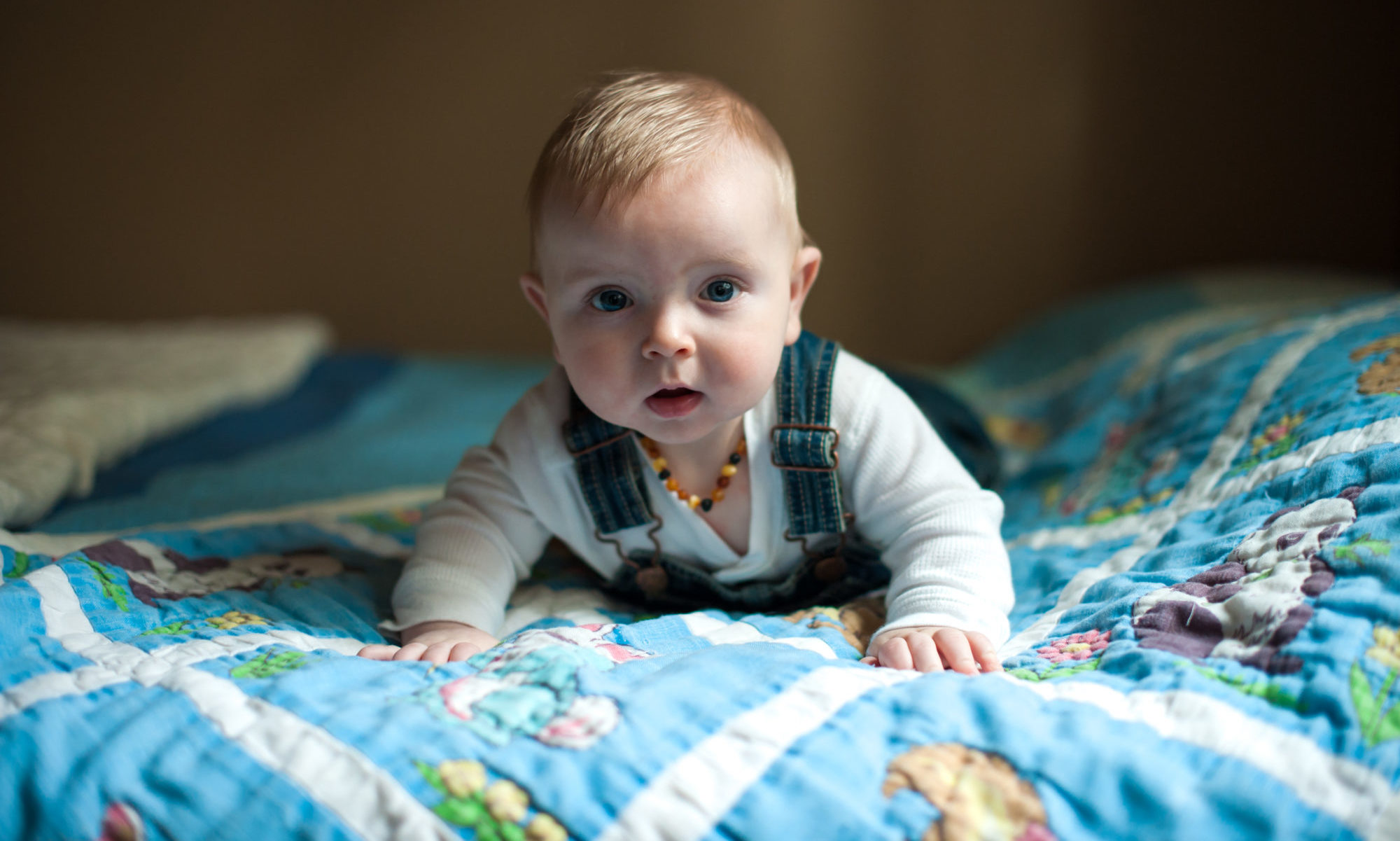
 When I was a teenager I was flipping through my baby book and I saw a letter my mom had written to me before I was born. It was sweet and heartfelt and at that moment I knew on a deeper level how very wanted I was and how special I was to my mom even before she met me for the first time. It has always been important to me that I make a conscious choice to become a parent and that I wait until I’m really ready to take on the responsibilities of parenthood. So here I am, just two weeks away from my “guess date” and I’ve decided to write a letter to my baby to welcome him or her.
I notice that the closer I get to giving birth, the more my thoughts are turning inward. I’m beginning to focus on the center of my universe more than ever before. I’m preparing my nest, connecting with my husband, and enjoying the quiet alone times. So, rather than sharing some new parenting tip or technique, this week, I’m just sharing from my own heart. I’m glad to know that I can share so personally here along with all the other ways I share. And I hope you enjoy this special blog. So, here’s my letter to my about to be born baby.
Dear Baby,
Wow, you’re almost here and we are so excited to finally meet you. Your dad and I have been waiting for you for 9 long months and pretty soon we’ll get to see you, touch you, and gaze into your beautiful eyes. I’m especially looking forward to holding you in my arms and nuzzling your sweet smelling head. Let’s spend hours together just cuddling, nursing, sleeping, and enjoying life together.
I can’t wait to be your mama. I’ve been preparing for motherhood since I was a young girl and I feel so ready to welcome you into my life. I’ve studied everything I could about how to be a good parent, how to help you learn and grow, and how to be the best example I can be for you. I’ve even practiced by taking care of lots of other babies and kids, but really it was all for you. Taking care of you and teaching you how to take good care of yourself sounds like the most fun and rewarding thing I could possibly do in my life. Thanks for helping me fulfill my life’s purpose. Continue reading “A Special Letter to My Soon to Be Born Baby”
 About a year ago I read an interesting article in a magazine about a rat study that showed that rats that were deprived of sleep died sooner than rats that were deprived of food. Wow, I knew sleep was important, but I had no idea that going without it could actually kill animals faster than going without food would.
 Today I want to share something I learned from NLP (otherwise known as neuro-linguistic programming) called a “state change”. We’re always in some sort of emotional state, whether happy, sad, excited, or frustrated. And often it feels like we’re at the whim of our emotions. When I’m frustrated it seems like there is no way to transform the frustration into something else. But there is! We can consciously create a “state change” in ourselves and often in others, pretty much any time we want!
 This week I watched a fascinating video about baby led breastfeeding. It showed newborn, days old, and months old infants maneuvering themselves into a good nursing position with very little help from their mothers. Babies were deliberate in their movements bobbing and clearly searching for the nipple. And, when they found it on their own, many mothers reported that the latch was more comfortable than it had been when they had tried to help their babies find the nipple. What an incredible innate ability babies have!
 It seems like just about the time we feel we’ve given all we can and we need some “me time” kids suddenly need even more from us. We can become frustrated and resentful and begin to give out of obligation or guilt, rather than giving from true generosity. If that’s what’s happening for you, my invitation for this week is to take a break, stop giving for a moment, and reset.