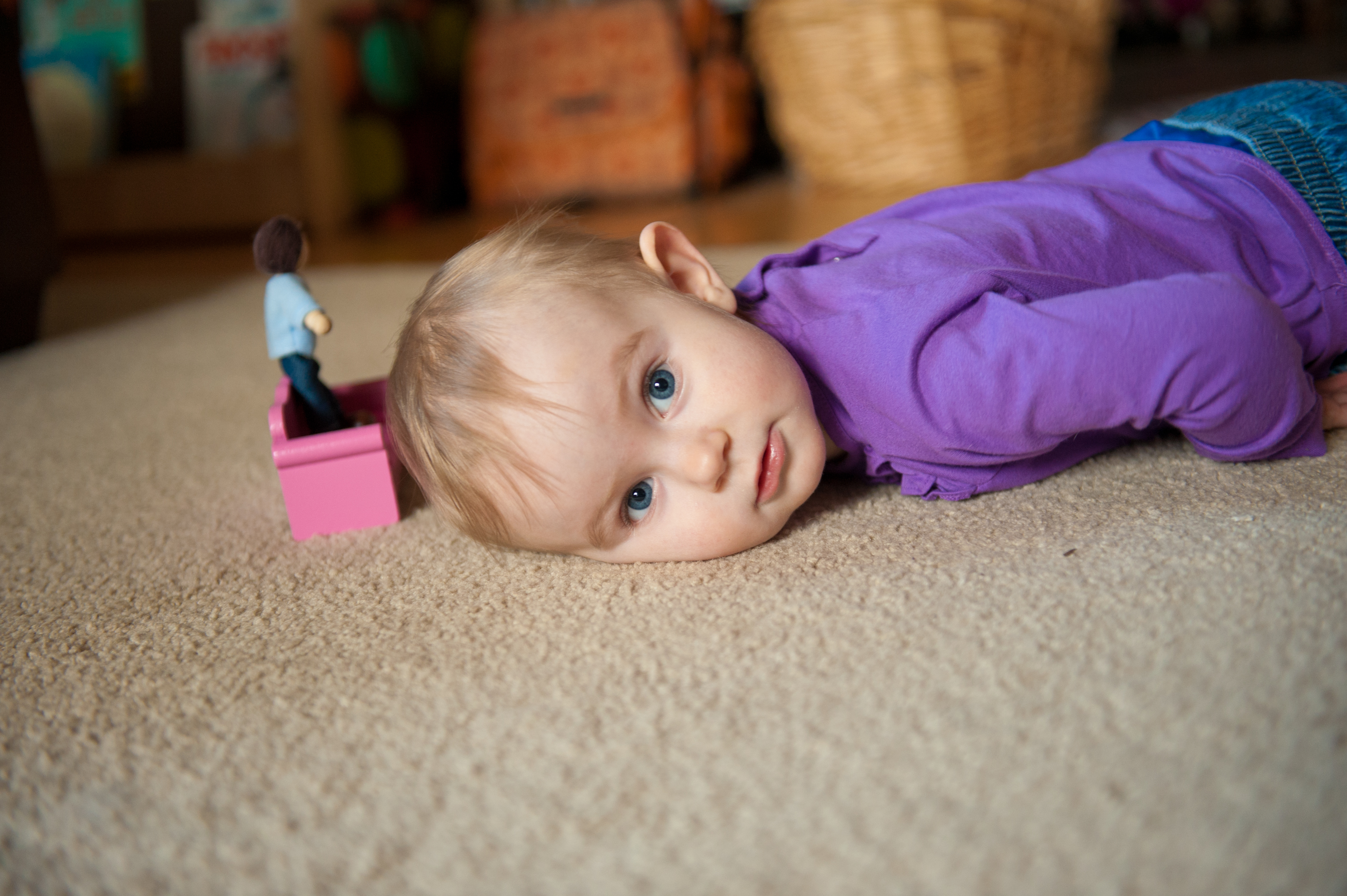
Happy International Babywearing Week!

OK, I’ll admit it, I use a stroller sometimes. I’m not very hardcore about baby wearing, I mean I already carried my daughter around inside for nine months, right?! Don’t get me wrong I love wearing my baby SOME of the time. When Julia was littler (she’s two now!) I used slings and the Ergo carrier and it was so nice to be snuggled, heart to heart with my little one and have my hands free. So when I realized it’s International Babywearing Week, I couldn’t help posting something with a few resource links about babywearing. I LOVE Attachment Parenting! 🙂

Here are some links and resources:


Why Are Americans So Freaked Out By Nudity?

I was on Facebook yesterday and I saw this article about a man who is being charged with child pornography because he had videos of his naked children on his phone. He didn’t send them to anyone. From what I read, the content sounded harmless. And the only reason the videos were discovered was because his phone broke and the technician was transferring his photos and videos to his new phone.

I think we’ve taking “protecting children” a bit too far in this case. Yes, sexual abuse of children is a real problem and deserves a swift response. But since when is taking a video of your children dancing naked, considered pornography?

To me, this seems to indicate a real problem we Americans have with nudity in general. Does nudity equate pornography? I think most Europeans would agree with me on this one, the answer is no. Nudity is just that, nudity.

There is nothing lewd or lascivious, obscene or indecent about a naked body. The human body is beautiful, functional, and something to be celebrated. Is the prevailing attitude a vestige of our Puritanical roots?

Interestingly, children aren’t born with the need or desire to cover their bodies. They don’t feel ashamed of their arms, legs, heads, or groins. At least not until they learn that bodies are something to be ashamed of and that hiding our “private parts” is the socially accepted norm.

We’re in the midst of toilet learning at our house and my daughter seems to be more aware of her need to use the potty when she has nothing on from the waist down. And since we’ve always used cloth diapers, I can understand her confusion. When she’s wearing underwear it feels just like a diaper, so she just goes. But if she’s half nude, she runs over to her potty saying “I have pee in my bladder!”

So, I’m introducing underwear slowly and trying to minimize the time she wears it so that she can remember not to go in her underwear. It’s working! She’s able to go longer and longer in her underwear every day and keep them dry.

Luckily, no one in our immediate family has a problem with a two year old running around half clothed. And I do sometimes put her in a dress so that it’s not so obvious that she’s going commando. But this article frightened me. What if my husband takes a photo of my daughter doing something cute and she happens to be pants-less? Will he be arrested for child pornography too?

Certainly we’ve established clear boundaries and guidelines for our whole family and no nude pictures will appear on Facebook or be sent via phone to other family members (although, now that I think of it, I do remember sending my brother a cute bath photo a few weeks ago, oops!).

But with all this new technology that makes taking videos and sending them to friends and family so easy, we’re bound to run into these situations more and more. And I’m curious about how we as a culture will handle it. Will we continue to equate nudity with obscenity? Or can a bare bottom just be cute?

What do you think? And how do you handle these situations in your family?

Have a wonderful week, Shelly

Five Signs I’m Not Taking Care of Myself

OK Moms, it’s time to get real. We take excellent, outstanding, superb care of our children almost all of the time. And then the rest of the time we yell at them or do other things we don’t like. But by in large, we are very good mothers doing a really hard job extremely well. But here’s the kicker, we’re not so great at taking care of ourselves sometimes. And that’s where we’re actually failing our kids.

By neglecting ourselves and taking care of others instead, we’re not modeling selflessness, as we might like to believe, we’re actually modeling martyrdom. And it’s no good. I mean do we really want our daughters to grow up and serve up a delicious and nutritious dinner for their families and then go in the other room and cry about how exhausted they are? I don’t think so. We don’t have to suffer to be good parents. In fact, we’re much better parents (and partners) when we’re feeling pampered and privileged, than when we’re on the verge of a mental break down.

This week I realized that over time I have identified several indicators that I’m not taking enough care of myself. I’m guessing some of these are universal, so I’ll share mine, and then you can come up with your own unique list. The idea here is to see the warning signs of a lack of self-care BEFORE things get out of hand, and then to actually take the time, ask for the help, and do what you need to do to take better care of yourself. After all, your children deserve the best version of you, right?

It’s all about self-awareness. So, here are my five signs that I’m not taking enough care of myself:

1) I’m grumpy– When I’m grumpy it’s usually because I’m either too tired, too hungry or too thirsty. When I snap, get easily frustrated, or feel annoyed at everything around me, I know it’s time to take a break, get some food, water and/or rest and reboot. Sometimes I don’t even notice that I’m grumpy until my husband tells me that I’m not being very nice. Luckily, I’m usually not too far-gone and I’m able to hear his feedback as a loving request, rather than a scathing judgment.

2) I’m clumsy– I drop and break things. The other day a glass actually flew out of my hands and exploded all over the kitchen floor in a million tiny shards (of course we were all barefoot at the time) In the past I’ve done things like drop a full container of paint or spilled a bunch of beet juice all over the kitchen counter and floor. This is a reminder to slow down, take more care, get more rest, and to be more intentional as I move through my day.

3) I can’t think straight and I’m on the verge of tears all day— This is clearly an indication of sleep deprivation but can also be a lack of nutrition or hormones. When I forget to take my vitamins it sometimes impacts my mental clarity. And when I’m too tired, I get sad and teary about things that wouldn’t normally bother me. This can also happen to me at certain points in my cycle and can be hormonally driven, so it’s important to have compassion for ourselves when our hormones seem to undermine our emotional stability. It usually really helps me to call a good girlfriend at times like this. Getting some empathy and understanding from a trusted friend can do wonders for my emotional state.

4) I hurt myself– For me this is usually physical, but for you it might also be emotional. When I “accidentally” hurt my body by bumping, bruising, straining, or spraining something it’s a great reminder to slow down and remember my physical limits. I am only human and I need to learn to ask for help! Just before I got pregnant I accidentally cut my finger with a knife and ended up in urgent care with a bunch of stitches. Sure, accidents happen, but take a look at whether there’s a pattern happening here for you.

This can also be emotional, if you find yourself ruminating about things that make you feel bad, you might be hurting yourself emotionally. Do your best to cut it out! Emotional abuse doesn’t help anybody, and your negative self-talk CAN be learned by your children. When I’ve battled negative thoughts in the past, I’ve had to have a no tolerance policy and have forced myself away from thoughts that were hurtful and toward thoughts that are empowering or inspiring.

5) My body feels heavy, slow, and sad— Bodies need exercise. Yes, even yours! I know I’m not getting enough exercise when I feel heavy, slow, and sad. My body loves the jolt of endorphins I get when I do aerobic exercise REGULARLY. Sure, I might feel “too tired” to go for a run, but when I get into a regular exercise routine, I really do feel more energetic and happier. We all have our excuses why we can’t get to the gym, but in a choice between an unhappy mom and a happier mom, your kids will always choose a happier mom, even if it means being away from you for an hour a few times a week (or better yet, every day). Go to that yoga class you’ve been missing, you have my express permission to pamper yourself.

When I realize that one of these things is happening, I slow down, take some time to reflect on my most urgent needs, and then make a plan to meet them. Sometimes that looks like a catnap on the couch while my daughter is playing nearby. When I was pregnant it meant rearranging my entire workday so that I could have an early afternoon nap every single day. Other times it means I leave the house early in the morning to get my work out in. One more thing, don’t underestimate proper nutrition as a contributor to your exhaustion and/or frustration either. Take stock of your intake of caffeine, sugar, and whole foods, as well as exercise and sleep.

So now is your chance to create your own list of signs you’re not taking care of yourself. I hope you’ll do so now and then share them with us! Together, we can learn to take better care of ourselves and as a result we’ll teach our children that our wellbeing is important to us. I know that’s a lesson I REALLY want my daughter to learn.

Have a beautiful week, Shelly

Why My Child’s Sleep Rules My Life and I Wouldn’t Have it Any Other Way

I hear all sorts of things from other parents and from my colleagues about how a child’s sleep schedule doesn’t have to rule your life. I’ve heard moms proclaim, “I’m not about to let my infant dictate my schedule, she can sleep just as well in the stroller anyway.” Well, I respectfully disagree.

Children need adequate sleep to be able to function and learn well, just like we all do. And stroller sleeping is NOT the same thing as sleeping at home in a cozy and familiar bed. Sure, children CAN do it, but that doesn’t mean they should.

Just yesterday I was listening to the radio and heard that for an adult, missing an hour of sleep per night for a week diminishes our mental capacity to the same degree as it would if we had not slept for 48 hours straight. Whoa. Sleep really does impact us more than we realize.

Maybe you’re one of those parents who resists a consistent schedule or who doesn’t want to schedule the rest of your life around your child’s need for sleep. If so, my intention is not to belittle your choice or even necessarily to convince you to change your ways. I just want to tell you about why I love it that my life is completely ruled by my daughter’s sleep.

#1 Zero meltdown days- When my daughter gets a consistent sleeping schedule, she is happier, more adaptable, and better able to handle surprises or disruptions to the rest of the schedule. If she’s sleep deprived (even an hour less sleep in 24 hrs.) she is MUCH more reactive and more likely to become upset by things that seem incredibly small and insignificant to me. As long as I keep her napping and sleeping schedule consistent, we often have lots of zero meltdown days!

#2 She asks for her nap and to go to bed at night- The first time I asked, “Are you ready for your nap?” and heard a “Yes, Mommy.” I was shocked. I’ve had a LOT of experience with children resisting sleep, and she will sometimes fight it after we’re in her room, but she will ALWAYS willingly go into her bedroom for nap-time. I think this speaks to how clearly I’ve held her sleep as a priority and how consistent I’ve been with the timing and location of her daily naps.

#3 I like a consistent schedule too- Honestly, it’s difficult for me to empathize with a distaste for schedules, I find a consistent routine comforting and easier than changing things up constantly. Sure, we’re home a lot, but I like being at home! For those of you who don’t enjoy a consistent schedule, what is it about this that bothers you? Is it simply boring to do the same thing every day? Or is it something else? I guess I’m just lucky that I enjoy consistency, because it’s been clear to me all along that my daughter thrives when she knows what to expect and feels comfortable in a familiar environment. Sure, we go out on adventures, but we almost always come back home to sleep.

#4 Did I mention zero meltdowns?- OK, so not only is it easier for HER emotional state when she gets consistent and reliable sleep, it’s easier for me too! I guess I could choose to stay out at a fun activity for an extra half an hour, but the resultant fussiness my daughter exhibits has never seemed worth it to me. I make it a point to change or disrupt her sleeping schedule only about once a month. And when I do, it usually takes us several days to get back on schedule, so it has to be something really worthwhile like staying up late around the campfire, going to a special art exhibit or a musical performance I’ve been really looking forward to.

#5 When the schedule changes, she rolls with it- By providing a consistent sleep schedule as a foundation for my daughter, she knows she’ll get the rest she needs, so she doesn’t have to freak out when I keep her out an hour past her bedtime once a month. Instead, she is just her usual happy self, even well past her bedtime. But that’s only because I’ve built up a saving’s account of consistent sleep that she can draw on during unusual circumstances.

So, all in all I think my message is clear. I’ve prioritized my daughter’s sleep schedule so that our lives together will be easier and more fun. Who cares about that extra hour of time out with a friend if the rest of the day with my daughter is frustrating and filled with meltdowns?!

When I choose consistency for my child’s sleep, I’m also choosing more cooperation, ease and sanity for myself. Do you agree or disagree with me? I would love to hear YOUR opinion!

Have a wonderful and restful week, Shelly

Sometimes what kids need most from us is nothing at all

I think one of the most challenging lessons I’ve learned as a teacher and as a parent is when NOT to intervene. It is actually excruciating for me to hear a child struggling and not rush over to help. But sometimes doing nothing is actually the best thing we can do for a child. When we sit back, shut up, and allow our children to experience their struggle fully, they also get to experience the joy of conquest and the knowledge that they can rely on themselves to work through a challenge.

If you know me at all, you know that I’m not suggesting we allow our children to experience constant struggle. Emotional upset is counterproductive to learning overall. However, there are moments when we all rush in too quickly, offer too much coaching, or otherwise deflate the attempts our children are making to learn something new.

It’s human nature to want to help a younger, smaller, struggling human. But what message are we sending when we constantly intervene on behalf of our children?

Rushing out the door, we put the coat on our child because it’s faster than waiting for him to do it himself. We feed our toddlers by spoon because “she eats more this way.” We help an older with his homework so that we can all enjoy pizza and a movie together.

And the underlying message our kids are receiving is, “You aren’t able to do it yourself. You need my (older and more capable) help. And struggling is not OK.” And then we wonder why our kids eventually stop trying to excel and just do the bare minimum that’s required of them.

I think that the message that children are incapable is being ingrained in them from infancy. On the contrary, the infant’s brain is arguably the most intelligent thing on Earth. Even tiny infants are capable of incredible feats of deduction, learning and memory. They just have a hard time moving their bodies and communicating verbally.

But as soon as we see them as the intelligent and capable beings they truly are, it’s actually quite amazing how much they really CAN communicate. And, by the time they are walking and talking, children are capable of all sorts of interesting and helpful tasks when given the opportunity to learn and perform those tasks.

OK, so let’s say we’re all on the same page here and we agree that even very young children are incredibly intelligent and capable. Now what? Now, it’s our job to bring more awareness to whether, when, and how we step in to support their learning. Offering our unsolicited fear as in, “Wait! Stop! Don’t do that! You might fall/spill/trip” is NOT helpful. Neither is too much verbal information ABOUT the given task. Instead, what children need is a safe place to EXPERIENCE and EXPERIMENT with the things they’re inspired to learn about.

Here’s a video of my daughter playing with her new farm toy. As you’ll see, she gets frustrated, but I don’t say or do anything. In fact, when I see her turn her head toward me (later in the video) I avert my eyes so as not to disrupt her play with eye contact.

Here are my top five rules for how to support my daughter in her quest for autonomy:

1)     If she’s frustrated, take a breath, relax my body and if the frustration continues remind her to ask for help when she needs it. “I’m available to help you if you need me.” There’s a “but I trust you can do it on your own” attitude inherent in my tone of voice.

2)    Bite my tongue when I have advice, suggestions, or negative feedback about how she’s doing a new task. Remain neutral if there’s something that MUST be communicated. For instance “I see some water spilled here,” with a flat tone of voice.

3)    Offer LOTS of opportunities for new activities. Notice which ones she gravitates toward and consider other similar activities. When she’s engaged in an activity, DON’T INTERRUPT with words, actions, or eye contact.

4)   Remember that all messes can eventually be cleaned up. Don’t cry (or yell or roll my eyes) over spilled milk (or paint, or mud, or broken eggs)

5)    Invite her to do it. Show her how to do it. And invite her to do it again.

I’m so curious how you handle this at your house. Do you feel you intervene too much or too little? And what are your rules to support your child’s exploration and learning?

I hope you’re having a fantastic week. Warm hugs, Shelly